When is it time to create a formal technology roadmap?
A formal technology roadmap becomes necessary when IT decisions start affecting budget timing, uptime, security, and growth. The goal is not paperwork; it is a documented plan that prevents rushed spending, hidden risk, and avoidable disruption.
Asher Z. walked into a Monday operations meeting after an aging application server failed during a routine restart. There was no supported replacement path, no approved budget, and no documented dependency map, so order processing stalled for two business days and the company absorbed $75,100 in missed revenue, emergency labor, and recovery expense.
This opening scenario is derived from real operational incidents observed in managed IT environments. Names and identifying details have been modified for confidentiality.

About the Author: Scott Morris
Scott Morris is an experienced IT and cybersecurity professional with 16 years of hands-on experience in managed technology services. He specializes in When is it time to create a formal technology roadmap? and has spent his career building practical recovery, security, and operational continuity processes for businesses across Nevada.
Scott Morris is a managed IT and cybersecurity professional who helps businesses manage infrastructure stability, security controls, continuity planning, and recovery readiness. Scott Morris has 16+ years of managed IT and cybersecurity experience. That background is directly relevant to formal technology roadmaps because weak environments rarely fail from one isolated device; they fail from accumulated technical debt, undocumented dependencies, aging systems, uneven security controls, and budget decisions made too late. His work with Reno and Sparks business technology environments is grounded in practical risk reduction, business continuity, secure infrastructure management, recovery readiness, and operational resilience.
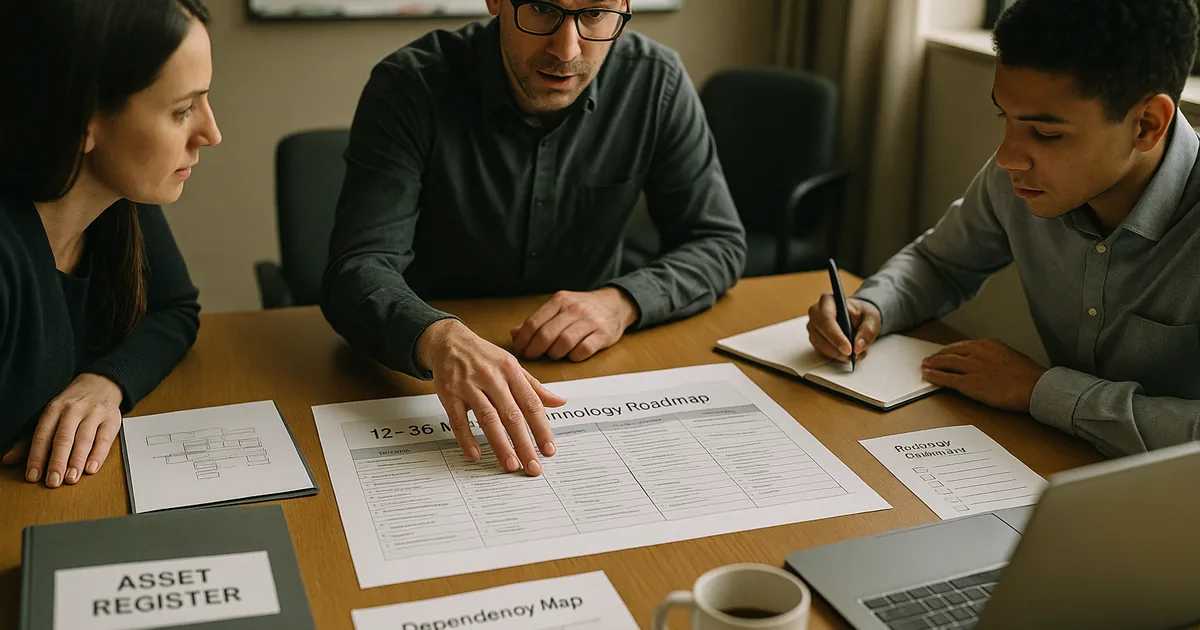
A useful roadmap is built from real assets, business dependencies, support deadlines, and risk tolerance rather than assumptions. This is general technical information; specific network environments and compliance obligations change strategy.
If technology decisions are being made one outage, one renewal, or one emergency purchase at a time, the business has usually outgrown informal IT management. Companies with managed IT services often assume planning is already covered, but a common failure point is operational support without lifecycle strategy, dependency mapping, or budgeting discipline.
A competent roadmap also connects business goals to technical reality: office moves, remote access changes, application upgrades, insurance requirements, vendor end-of-support dates, and recovery expectations. This planning layer is often associated with a vCIO function, where technical priorities are translated into budget timing, ownership, and business impact instead of staying buried in tickets and renewals.
What is a formal technology roadmap?
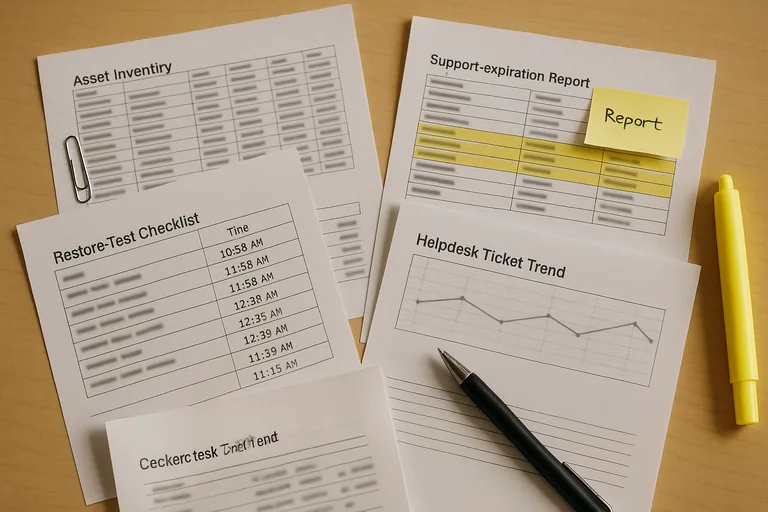
A formal technology roadmap is a business planning document for IT, cybersecurity, and continuity decisions over the next 12 to 36 months. In mature environments, it includes an asset inventory, application dependencies, support and warranty dates, security gaps, compliance considerations, major projects, and the likely cost and sequence of each item. What usually separates a stable environment from a fragile one is that the roadmap connects technology to business processes: how orders are processed, how staff authenticate, how files are shared, how communications flow, and what must be restored first during an outage. Without that linkage, organizations tend to approve spending based on urgency alone, which usually means they pay more and get less control.
Why does a business outgrow informal IT decision-making?
A business usually outgrows informal decision-making when growth, complexity, or regulation starts creating interdependencies that no single employee can reliably track from memory. Common signals include surprise renewals, unsupported servers still running key applications, new SaaS platforms purchased by departments without identity controls, and projects that keep slipping because nobody identified the network, licensing, or security work required underneath them. The logic is consistent with the NIST Cybersecurity Framework, which exists to turn risk into managed functions such as identifying important assets, protecting them appropriately, and recovering in an orderly way. In plain business terms, once leadership needs predictable budgeting, clearer accountability, and fewer forced upgrades, informal habits stop being good enough.
What risks does a roadmap reduce before they become incidents?
How is a roadmap built and maintained in practice?
Competent teams start with discovery, not opinions. They build an accurate asset inventory, identify business-critical applications, map dependencies, review warranty and support dates, examine ticket patterns, compare patch and security status, and note where recovery sequencing would break down if a core system failed. During a routine infrastructure review, a cluster of slow-application tickets and morning login complaints led to a closer look at one virtual host; the symptom looked like user frustration, but the underlying issue was an overloaded server running expired storage firmware with no documented refresh window. That type of finding is common in environments where nobody connects helpdesk noise to lifecycle planning. A real roadmap is then reviewed quarterly, updated after major changes, and backed by visible evidence such as asset registers, support expiration reports, change records, patch compliance summaries, and documented exceptions when leadership decides to defer a recommendation.
How can leadership tell whether a roadmap is competent rather than cosmetic?
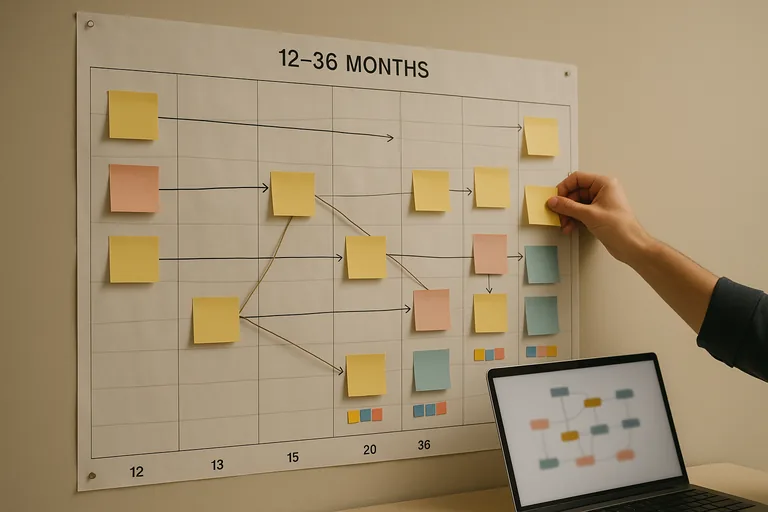
A cosmetic roadmap sounds strategic but cannot survive questions. A competent one should show each major item, the business reason behind it, the risk of delay, the expected timing, dependencies, owner, and a realistic cost range. Leadership should be able to ask what systems are out of support, which risks are accepted temporarily, what must happen before an application upgrade, and how the plan changes if the company acquires another office or adds remote staff. Real proof matters here: lifecycle reports, network diagrams, vendor notices, access review records, security findings, and quarterly review notes should exist. If the provider can only offer a presentation deck without operational evidence, that is not planning. Even businesses already receiving ongoing IT support should expect this level of documentation if they want predictable budgeting and fewer emergency decisions.
When does weak implementation become dangerous?
Weak implementation becomes dangerous when the roadmap exists on paper but not in operating behavior. This tends to break down when nobody updates it after staffing changes, mergers, cloud migrations, or software replacements. During incident response and post-outage reviews, it is common to discover that the documented priorities no longer match reality: the accounting platform depends on an overlooked database server, a firewall license lapses because renewal ownership was unclear, or an old copier still scans to a decommissioned file share that the front office relies on daily. Another common issue is a roadmap maintained by one person in a spreadsheet nobody else sees. Once planning loses ownership, review cadence, and decision tracking, the business slips back into emergency spending, higher downtime risk, and security exposure that leadership thought had already been addressed.
What should happen next if the business sees these warning signs?
If Asher Z.’s kind of disruption feels uncomfortably close to your environment, it is usually less costly to review dependencies, support deadlines, and security gaps now than to fund a rushed recovery later. If you need help interpreting what belongs in a roadmap or how to prioritize it, speak with an experienced advisor before the next forced upgrade, outage, or renewal makes the decision for you.