
Truckee Logistics Risk
When a business is dealing with operations stopping, the failure usually started earlier. Phishing clicks, password reuse, and weak account hygiene can weaken managed IT support plans over time and leave logistics hubs in The Truckee Meadows exposed when pressure hits. Addressing the problem means tightening identity controls and building safer day-to-day habits.
This case study reflects real breakdown patterns documented across 300+ regional IT incidents. Names and identifying details have been modified for confidentiality, while technical and financial data remain accurate to the original events.
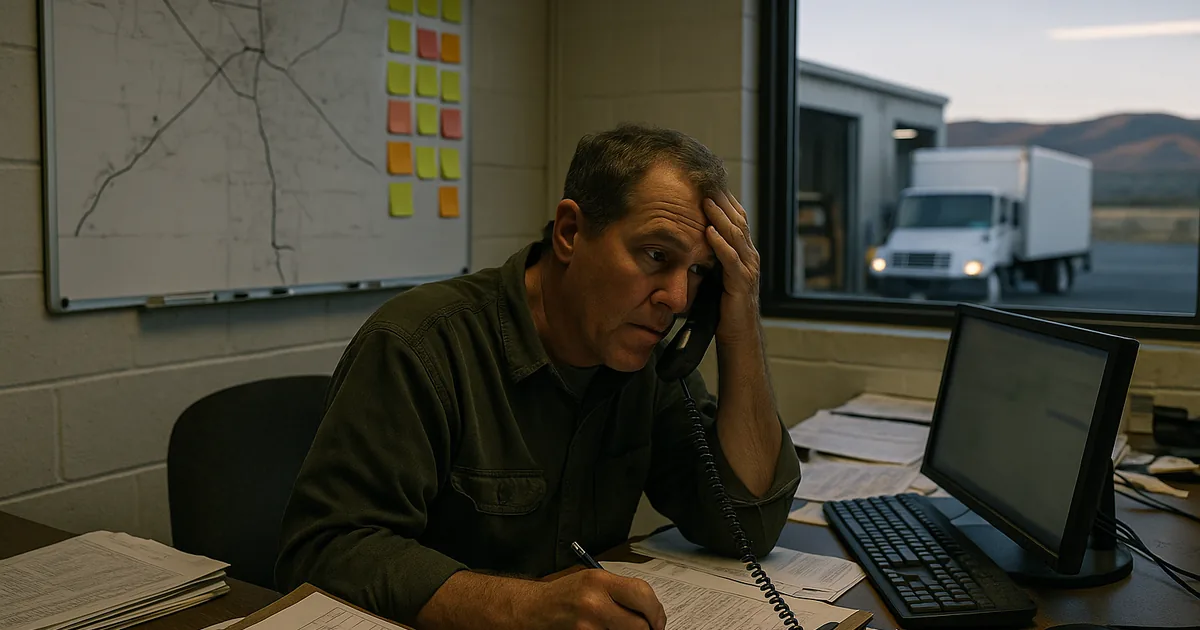
How Human Error Stops Logistics Operations
The main issue is not usually a dramatic system failure. In most Truckee Meadows logistics environments, operations stop because identity security has been weakened over time. A reused password, a saved browser credential, or a rushed click on a fake reset link can give an attacker enough access to disrupt dispatch, shared mailboxes, cloud files, and line-of-business systems. Once account trust is broken, the business feels it immediately through missed pickups, delayed confirmations, and staff working around locked systems.
This is why we treat the human element as an operational control issue, not just a training issue. For warehouses, transportation offices, and distribution teams that depend on constant communication, structured managed IT support plans in Reno help reduce the gap between a user mistake and a full business interruption. In cases like Jaxson’s, the visible outage starts at the inbox, but the root cause is usually weak identity governance, inconsistent multifactor enforcement, and too much trust placed in routine email traffic.
- Identity exposure: Phishing emails that imitate Microsoft 365, shipping notices, or vendor portals can capture credentials and trigger account lockouts, mailbox forwarding, or unauthorized sign-in attempts before anyone realizes what happened.
- Operational dependency: Logistics hubs in The Truckee Meadows rely on shared calendars, dispatch boards, mobile devices, and cloud access; when one account fails, routing, customer updates, and billing often slow down together.
- Local business pressure: Fast-moving operations near Reno, Sparks, and the I-80 corridor create the exact conditions where employees act quickly, trust familiar-looking messages, and skip verification steps.
Practical Remediation for Account Security and Continuity
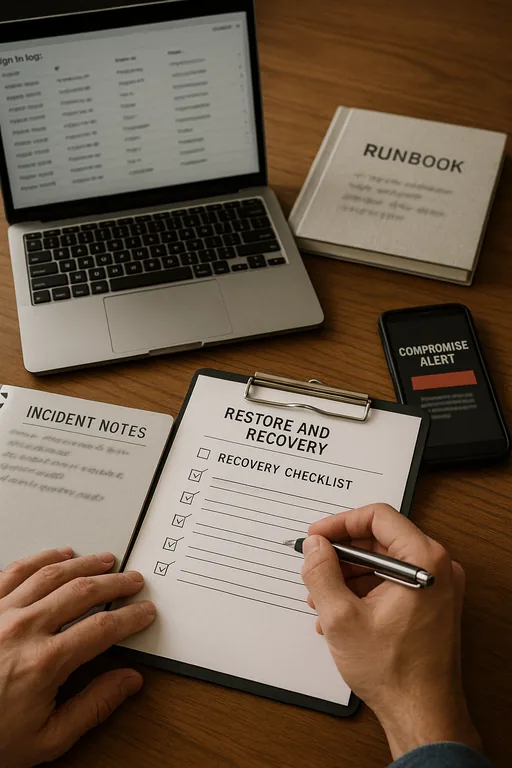
The fix starts with identity hardening and process discipline. We typically begin by reviewing sign-in logs, revoking active sessions, resetting affected credentials, and confirming whether mailbox rules, forwarding settings, or privilege changes were made after the phishing event. From there, the goal is to reduce the chance that one bad click can interrupt dispatch or accounting again.
That means enforcing phishing-resistant multifactor authentication where possible, blocking legacy authentication, tightening conditional access, and validating recovery paths for email, files, and operational data. It also means testing whether the business can restore critical information quickly through backup and disaster recovery planning for business continuity . For user-facing controls, the most practical guidance still comes from sources such as CISA’s identity and password security recommendations , especially for organizations with shared workflows and frequent vendor communication.
- MFA hardening: Require multifactor authentication for all cloud accounts, with stronger methods for administrators and finance or dispatch users.
- Conditional access: Restrict sign-ins by geography, device compliance, and risk level so stolen credentials are less useful.
- Email protection: Improve impersonation filtering, banner suspicious messages, and disable automatic external forwarding where it is not required.
- Recovery validation: Confirm that mail, file shares, and cloud data can be restored from tested recovery points, not just assumed backups.
Field Evidence: Dispatch Recovery After a Credential Compromise
We have seen this pattern across Northern Nevada operations where a small office supports a larger warehouse or transportation footprint. Before remediation, the business was relying on passwords that had not been rotated consistently, limited MFA coverage, and no regular review of suspicious sign-in alerts. A single phishing event created account instability, delayed customer communication, and forced staff to fall back to phone calls and handwritten tracking notes during a busy shipping window.
After the response, the environment was rebuilt around stronger identity controls, alert tuning, and verified recovery procedures. Shared mailboxes were reviewed, risky sign-ins were blocked faster, and cloud data protection was strengthened with managed backup solutions for operational recovery . In one Reno-area corridor with heavy same-day freight movement, that shift reduced account-related interruptions from repeated monthly incidents to isolated, contained events that staff could report and IT could remediate without stopping the floor.
- Result: Sign-in abuse was contained in under 30 minutes, dispatch access was restored the same day, and recurring credential-related downtime dropped by more than 70 percent over the following quarter.
Human Element Risk Controls for Logistics Operations
Scott Morris is an experienced IT and cybersecurity professional with 16 years of hands-on experience in managed technology services. He specializes in Managed It Support Plans and has spent his career building practical recovery, security, and operational continuity processes for businesses across The Truckee Meadows and Northern Nevada.

About the Author: Scott Morris
Local Support in The Truckee Meadows
We support businesses across Reno, Sparks, and nearby industrial corridors where dispatch, warehousing, and office coordination depend on stable access to email, cloud systems, and line-of-business tools. From our Reno office, we can respond quickly to account lockouts, phishing fallout, and continuity issues affecting logistics teams and other fast-moving operations.
Operational Takeaway for Truckee Meadows Logistics Teams
When operations stop after a phishing click or account compromise, the real problem is usually weak identity control that has been tolerated for too long. In logistics environments, that weakness spreads quickly from one inbox or user account into dispatch delays, customer communication problems, and billing disruption.
The practical response is straightforward: tighten account security, verify recovery capability, and make user behavior part of normal operational risk management. Businesses in The Truckee Meadows do not need more noise around cybersecurity. They need controls that hold up when staff are busy and systems are under pressure.