
Truckee Lockout
When a business is dealing with a lockout, the failure usually started earlier. Poor safeguards, inconsistent records handling, and a slow response can weaken compliance advisory programs over time and leave medical practices in The Truckee Meadows exposed when pressure hits. Addressing the problem means documenting safeguards, tightening response steps, and protecting sensitive data.
This case study reflects real breakdown patterns documented across 300+ regional IT incidents. Names and identifying details have been modified for confidentiality, while technical and financial data remain accurate to the original events.
Why Lockouts Become Legal Liability Problems

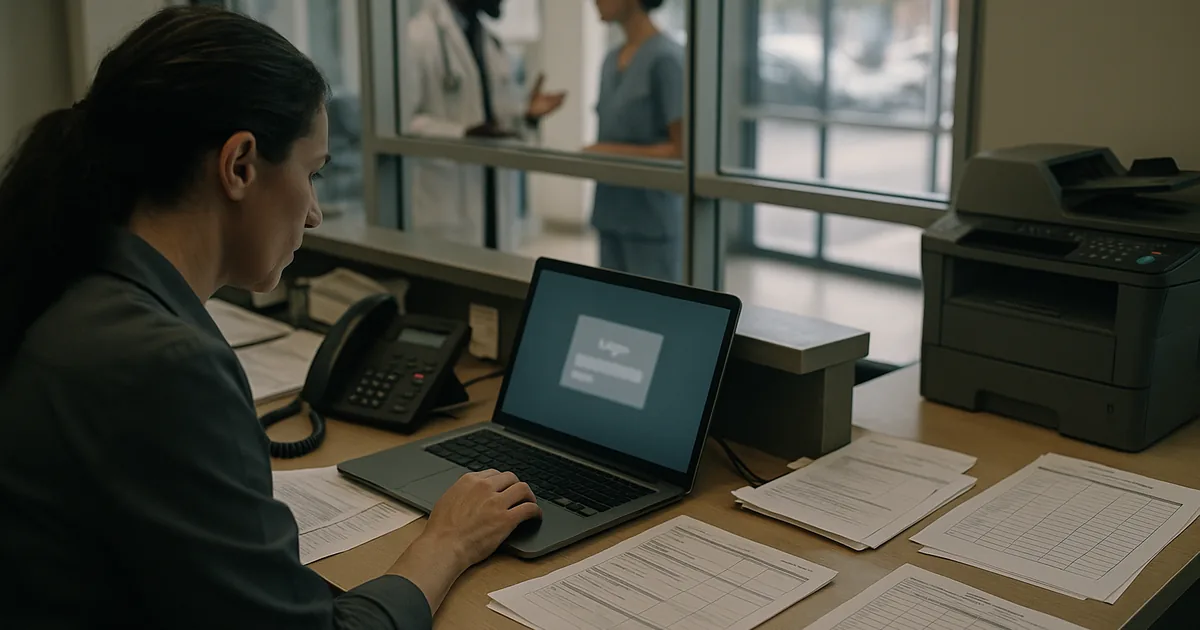
A medical practice in The Truckee Meadows usually does not get locked out because of one bad morning. The lockout is often the visible symptom of a longer control failure: shared credentials that were never cleaned up, incomplete termination steps, weak MFA enrollment, undocumented exceptions, and inconsistent handling of protected records. Once those gaps accumulate, the practice is no longer dealing with a simple access problem. It is dealing with The Legal Liability, because patient information, billing workflows, and audit expectations all depend on documented safeguards that can be shown after the fact.
That is why we treat these incidents as both an operational outage and a compliance event. In Reno and Sparks, practices often rely on a mix of cloud EHR access, local scanning, line-of-business printers, and remote physician logins across multiple sites. If those systems are not governed through structured compliance advisory programs in Northern Nevada , the organization can end up in the same position as Jacqueline: unable to prove who had access, when controls failed, or whether sensitive data remained protected during the disruption. In a Reno court, “I didn’t know” is not a meaningful defense if client or patient data was mishandled.
- Identity and access drift: Accounts, permissions, and MFA settings often change faster than documentation, leaving practices exposed to lockouts, unauthorized access, and poor audit defensibility.
- Records handling inconsistency: Scanned intake forms, exports, local desktop files, and email attachments can fall outside formal retention and protection rules.
- Slow incident escalation: When staff do not know whether to call the EHR vendor, internal IT, or leadership first, downtime stretches and evidence is lost.
- Compliance blind spots: A practice may believe it is secure because backups exist, while missing the fact that access logs, policy acknowledgments, and recovery procedures are incomplete.
How Medical Practices Close the Gap
The practical fix is to rebuild control discipline around identity, records, and response. That starts with a current system inventory, role-based access review, MFA enforcement, documented onboarding and offboarding, and a tested incident path for lockouts affecting clinical operations. For medical offices, the goal is not just to restore access quickly. It is to restore access in a way that preserves evidence, limits exposure, and supports later review by counsel, insurers, or regulators.
We usually recommend tying those controls to formal IT strategy engagements in Reno so leadership can assign ownership, budget remediation, and measure whether the practice is actually reducing risk over time. For healthcare-specific security and response expectations, the HHS HIPAA Security Rule guidance remains a useful operational reference because it connects administrative, technical, and physical safeguards to real-world handling of protected health information.
- Access review: Validate every user, group, and privileged account against current job roles and remove stale access immediately.
- MFA hardening: Require phishing-resistant or app-based MFA for EHR, Microsoft 365, VPN, and remote administration tools.
- Backup validation: Confirm that critical systems can be restored and that recovery testing includes permissions, not just files.
- Incident runbooks: Define who isolates systems, who contacts vendors, who documents events, and who approves downtime procedures.
- Records governance: Standardize where patient-related files can be stored, transmitted, and retained to reduce unmanaged copies.
Field Evidence: Access Failure Near a Multi-Site Clinical Corridor
We worked through a similar pattern for a healthcare-related office operating between central Reno and the north valley corridor, where staff depended on cloud applications, local scanners, and shared scheduling workflows. Before remediation, the organization had inconsistent account ownership, no clean escalation path, and limited confidence in whether protected records had been exposed during access failures. The immediate symptom was repeated lockout behavior, but the underlying issue was weak operational governance.
After tightening identity controls, documenting response steps, and aligning technical oversight with IT systems for multi-location operations , the office reduced recovery time, improved audit readiness, and stopped recurring access confusion during provider schedule changes and staff turnover. In Northern Nevada, where weather, traffic, and vendor response times can all affect same-day recovery, that kind of structure matters.
- Result: Access-related downtime dropped from repeated half-day disruptions to a documented recovery window of under 45 minutes, with verified account ownership and cleaner incident records.
Medical Practice Lockout Risk Reference
Scott Morris is an experienced IT and cybersecurity professional with 16 years of hands-on experience in managed technology services. He specializes in Compliance Advisory Programs and has spent his career building practical recovery, security, and operational continuity processes for businesses across The Truckee Meadows and Northern Nevada.

About the Author: Scott Morris
Local Support in The Truckee Meadows
Medical practices in Reno, Sparks, and nearby clinical corridors often need fast support that understands both operational downtime and compliance exposure. From our Ryland Street office, the route to the University area is typically about 13 minutes under normal conditions, which matters when a lockout affects patient intake, scheduling, or billing and the response has to be both technical and well documented.
What Medical Practices Should Take Away
A lockout in a medical office is rarely just an inconvenience. In The Truckee Meadows, it can interrupt patient flow, delay claims, and expose the practice to legal and compliance scrutiny if access controls, records handling, and response documentation are weak. The real issue is not only restoring logins. It is proving that the organization had reasonable safeguards in place before the disruption and a defensible response after it began.
Practices that document ownership, standardize records handling, test recovery, and assign clear incident roles are in a much stronger position when systems fail. That is the difference between a short operational event and a larger liability problem.