Truckee Law Firm Failure
When a business is dealing with systems going down, the failure usually started earlier. Surprise spending, delayed upgrades, and aging infrastructure can weaken business continuity and backup compliance over time and leave law firms in The Truckee Meadows exposed when pressure hits. Addressing the problem means planning upgrades deliberately and aligning IT decisions to business risk.
This case study reflects real breakdown patterns documented across 300+ regional IT incidents. Names and identifying details have been modified for confidentiality, while technical and financial data remain accurate to the original events.
Why Financial Roadmap Failures Turn Into Systems Down Events

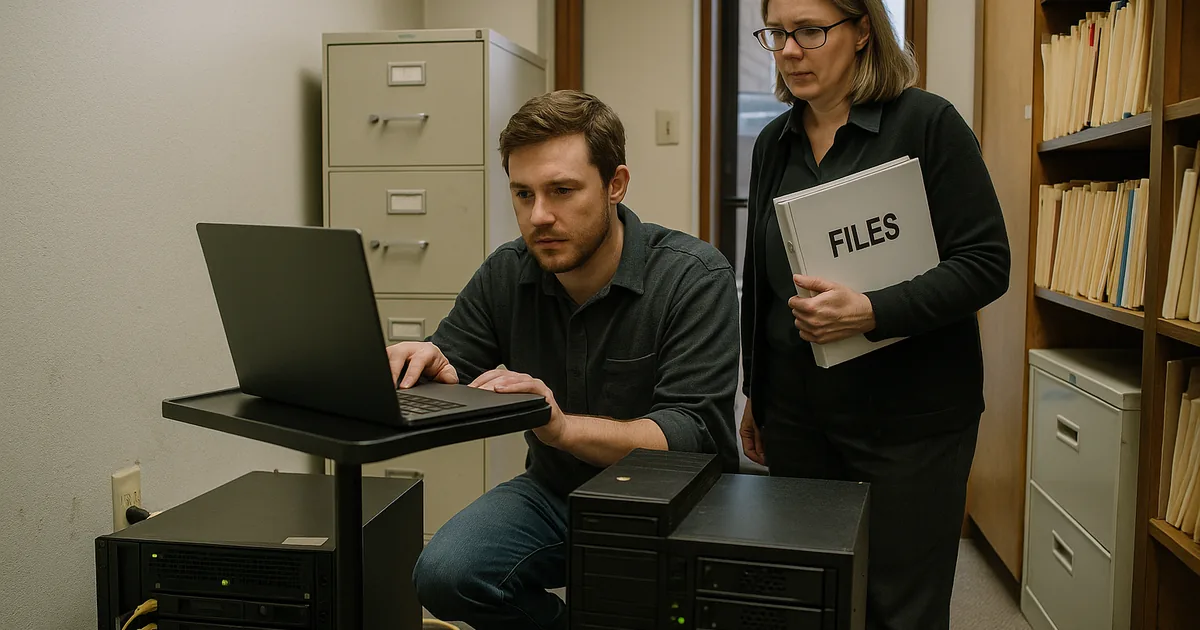
When systems go down at a law firm in The Truckee Meadows, the immediate outage is usually only the visible symptom. The deeper issue is that IT has been treated as a series of surprise expenses instead of a planned operating function. That pattern leads to delayed server refreshes, unsupported backup appliances, aging firewalls, and storage platforms that stay in production well past their safe service life. For firms handling case files, discovery data, billing records, and retention requirements, that creates a direct continuity problem rather than a simple inconvenience.
We typically find that the financial roadmap breaks down in three places: no lifecycle schedule for core infrastructure, no reserve for replacement projects, and no business-risk discussion tied to downtime tolerance. That is why business continuity and backup compliance in Northern Nevada has to be treated as a planning discipline, not just a backup subscription. In Nerea’s case, the outage was triggered under normal workload because the environment had no remaining margin for failure.
- Aging infrastructure: Older servers, storage arrays, and backup devices often continue running until a busy day, patch cycle, or disk fault exposes the fact that replacement was postponed too long.
- Unbudgeted upgrades: When every major IT purchase feels unexpected, firms delay corrective work and accept operational risk that would have been manageable with staged spending.
- Weak recovery alignment: Backup jobs may appear successful, but if restore testing, retention review, and recovery time targets are not defined, the firm still faces extended downtime.
- Law firm workflow concentration: Document management, time entry, scanning, and email are tightly connected, so one infrastructure failure can interrupt intake, calendaring, and billing at the same time.
How To Stabilize Operations And Rebuild A Predictable IT Plan
The fix is not just replacing one failed device. The practical response is to build a financial and technical roadmap that ranks systems by operational impact, recovery dependency, and replacement urgency. For law firms, that usually means identifying which platforms support document access, practice management, email, scanning, remote work, and billing, then assigning refresh windows and recovery objectives to each one. Structured oversight such as IT consulting in Northern Nevada helps turn those decisions into a budgeted plan instead of a reactive scramble.
We also recommend validating the recovery side, not assuming it. Backup integrity checks, test restores, immutable copies where appropriate, and documented recovery sequencing matter more than a green checkmark on a dashboard. The CISA ransomware and recovery guidance is useful because it reinforces the same operational point: resilience depends on tested controls, not just purchased tools.
- Lifecycle budgeting: Build a 12- to 36-month replacement schedule for servers, storage, firewalls, switches, and backup systems so capital needs stop arriving as emergencies.
- Backup validation: Run scheduled restore tests against critical legal data, confirm retention settings, and document recovery order for file systems, applications, and cloud workloads.
- Infrastructure segmentation: Separate core servers, user devices, and backup traffic with practical network design so a single fault or security event does not spread across the environment.
- Alerting improvements: Tune monitoring around disk health, failed jobs, storage latency, and capacity thresholds so teams get warning before users experience an outage.
Field Evidence: From Deferred Replacement To Controlled Recovery
In one Truckee Meadows legal office corridor, we reviewed an environment where file access delays, backup overruns, and recurring storage alerts had been ignored because each fix was viewed as a separate cost. The firm had no clear replacement calendar and no documented recovery sequence. After assessment, the work was reorganized into phases: immediate storage remediation, backup verification, firewall review, and a scheduled refresh plan tied to business priorities. That approach is consistent with strategic IT leadership for growing operations where spending is tied to risk reduction and uptime, not guesswork.
- Result: Recovery testing time dropped from an all-day disruption to under 90 minutes for priority systems, backup job reliability improved, and the firm moved from reactive replacement decisions to a documented 24-month infrastructure roadmap.
Reference Table: Systems Most Often Affected By Financial Roadmap Gaps
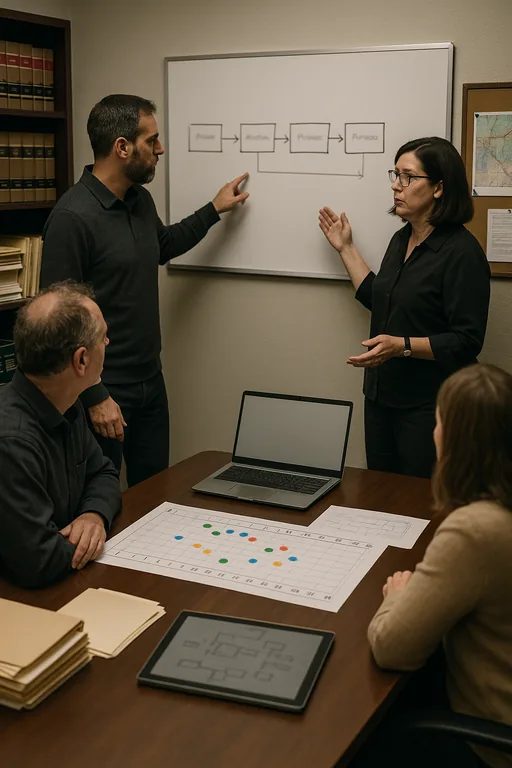
Scott Morris is an experienced IT and cybersecurity professional with 16 years of hands-on experience in managed technology services. He specializes in Business Continuity And Backup Compliance and has spent his career building practical recovery, security, and operational continuity processes for businesses across The Truckee Meadows and Northern Nevada.

About the Author: Scott Morris
Local Support in The Truckee Meadows
Reno Computer Services supports firms across Reno, Sparks, and surrounding Truckee Meadows business corridors where legal offices often depend on a small number of critical systems for document access, calendaring, and billing. From our Reno office, the route to the Vista Blvd area is typically manageable, which matters when a systems-down event needs both remote triage and on-site verification of servers, storage, or backup hardware.
Downtime Usually Follows Earlier Planning Decisions
For law firms in The Truckee Meadows, systems going down is often the final stage of a longer financial roadmap problem. Deferred upgrades, unclear ownership of replacement planning, and untested recovery processes create conditions where a normal workload can trigger a major interruption. The operational answer is to connect budgeting, infrastructure lifecycle, and recovery expectations before the next outage forces the issue.
When IT is treated as a planned business function, firms gain clearer replacement timing, fewer emergency purchases, and more confidence that backups will actually support recovery. That is the difference between reacting to downtime and managing continuity with intent.