
Reno/Sparks IT Crash
This kind of issue rarely appears all at once. For financial offices in Northern Nevada, it usually builds through surprise spending, delayed upgrades, and aging infrastructure and then surfaces as a network crash, slower recovery, or higher exposure. A more reliable setup starts with planning upgrades deliberately and aligning IT decisions to business risk.
This case study reflects real breakdown patterns documented across 300+ regional IT incidents. Names and identifying details have been modified for confidentiality, while technical and financial data remain accurate to the original events.
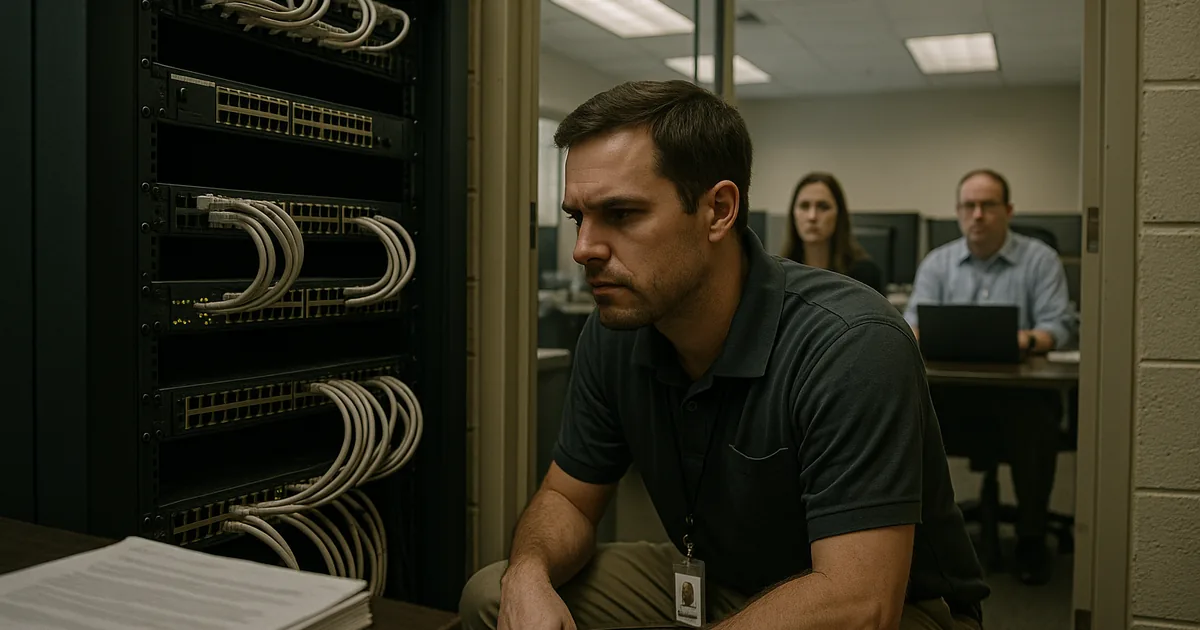
Why Financial Roadmap Gaps Turn Into Network Failures

A network crash in a financial office is usually the visible symptom, not the original problem. In Northern Nevada, we often find that the real failure starts earlier when IT is managed as a surprise expense instead of a planned operating function. The Financial Roadmap issue is straightforward: if leadership delays switch replacements, server lifecycle decisions, storage expansion, and recovery testing until something breaks, the environment becomes fragile. That fragility shows up first as slow logins, unstable line-of-business access, backup overruns, and intermittent disconnects before it becomes a full outage.
For firms handling client records, portfolio systems, and document-heavy workflows, the risk is not limited to inconvenience. Once network performance degrades, backup windows can fail silently, replication can lag, and recovery points become less reliable. That is why many offices benefit from structured backup and recovery programs in Northern Nevada that are tied to actual business operations rather than left as a background task. In cases like Clarence’s, the crash was only the moment everyone noticed the deeper planning problem.
- Aging core infrastructure: Older switches, storage, and virtualization hosts often remain in service past their stable lifecycle, increasing the chance of bottlenecks and unplanned failure during heavy reporting or billing periods.
- Reactive budgeting: When upgrades are approved only after disruption, replacement timing is driven by emergency spending instead of operational priority and risk reduction.
- Recovery blind spots: Backups may appear successful on paper while restore speed, offsite replication, and application recovery sequencing remain untested.
- Financial workflow sensitivity: Advisory, accounting, and reporting teams depend on consistent access to files, email, and practice systems, so even short outages create immediate productivity and billing delays.
Practical Remediation for Stability, Recovery, and Budget Control
The fix is not just replacing one failed device. A financial office needs a documented remediation plan that addresses infrastructure age, recovery objectives, and budget timing together. We typically start by reviewing switch capacity, server health, storage performance, backup job integrity, and dependency mapping for the applications the office cannot operate without. From there, the business can move from emergency spending to strategic IT leadership for Northern Nevada businesses that sets refresh cycles, recovery priorities, and approval timing before a failure forces the issue.
Controls should be practical and measurable. That includes replacing unsupported network hardware, validating backup restores against real recovery time objectives, segmenting critical systems where appropriate, improving alerting, and documenting failover steps for core services. For financial offices with compliance obligations and sensitive client data, guidance from CISA is useful because it reinforces the need for tested backups, hardened access, and incident preparation rather than assumptions.
- Lifecycle planning: Put network, server, and storage assets on a defined replacement schedule tied to business impact, not vendor end-of-life notices alone.
- Backup validation: Run scheduled restore tests for file systems, virtual machines, and line-of-business data so recovery speed is known in advance.
- Alerting improvements: Monitor switch health, storage latency, failed jobs, and capacity thresholds so teams can act before users lose access.
- MFA and access hardening: Reduce secondary risk during outages by tightening administrative access and protecting remote recovery workflows.
Field Evidence: Quarter-End Outage Recovery in South Reno
We have seen this pattern in offices serving clients across Reno, Sparks, and Carson City: the environment runs just well enough until a reporting deadline, tax-season push, or quarter-end close exposes every deferred decision at once. In one South Reno corridor case, the office had recurring latency, inconsistent backup completion, and no clear hardware refresh plan. After documenting dependencies, replacing the failing network layer, and aligning spending with a phased roadmap, the business moved from repeated disruption to predictable operations.
Just as important, the office stopped treating infrastructure as a string of emergencies. A defined budget cycle, paired with IT planning and budgeting for multi-year reliability , gave leadership a way to approve upgrades before they affected client service, reporting deadlines, or recovery confidence.
- Result: Unplanned network downtime dropped from multiple incidents in one quarter to zero in the following six months, backup success rates stabilized above 98 percent, and restore testing confirmed recovery of critical systems within the target window.
Financial Office IT Risk and Control Reference
Scott Morris is an experienced IT and cybersecurity professional with 16 years of hands-on experience in managed technology services. He specializes in Backup And Recovery Programs and has spent his career building practical recovery, security, and operational continuity processes for businesses across Northern Nevada and Northern Nevada.


About the Author: Scott Morris
Local Support in Northern Nevada
Reno Computer Services supports financial offices across Reno, Sparks, Carson City, and surrounding Northern Nevada business corridors. For firms operating in South Reno and the Double Diamond area, local response matters because outages affect scheduling, reporting, and client communication immediately. The route below reflects the practical service relationship between our Reno office and the Double Diamond destination referenced in this incident pattern.
Build the Roadmap Before the Outage Forces It
For financial offices in Northern Nevada, a network crash is often the final result of years of deferred decisions rather than one isolated technical mistake. When budgeting, infrastructure lifecycle, and recovery planning are disconnected, the business loses control over uptime, spending, and recovery confidence at the same time.
The practical takeaway is simple: treat network stability, backup validation, and hardware refresh planning as part of one operating strategy. That approach reduces emergency spending, protects reporting and billing workflows, and gives leadership a clearer path to resilience.