Reno/Sparks Hub Down
When a business is dealing with operations stopping, the failure usually started earlier. Unclear ownership, overlapping tools, and fragmented support can weaken risk assessments and security readiness over time and leave logistics hubs in The Truckee Meadows exposed when pressure hits. Addressing the problem means clarifying ownership and enforcing cleaner escalation paths.
This case study reflects real breakdown patterns documented across 300+ regional IT incidents. Names and identifying details have been modified for confidentiality, while technical and financial data remain accurate to the original events.
Why Vendor Chaos Stops Operations Before Anyone Calls It an Outage

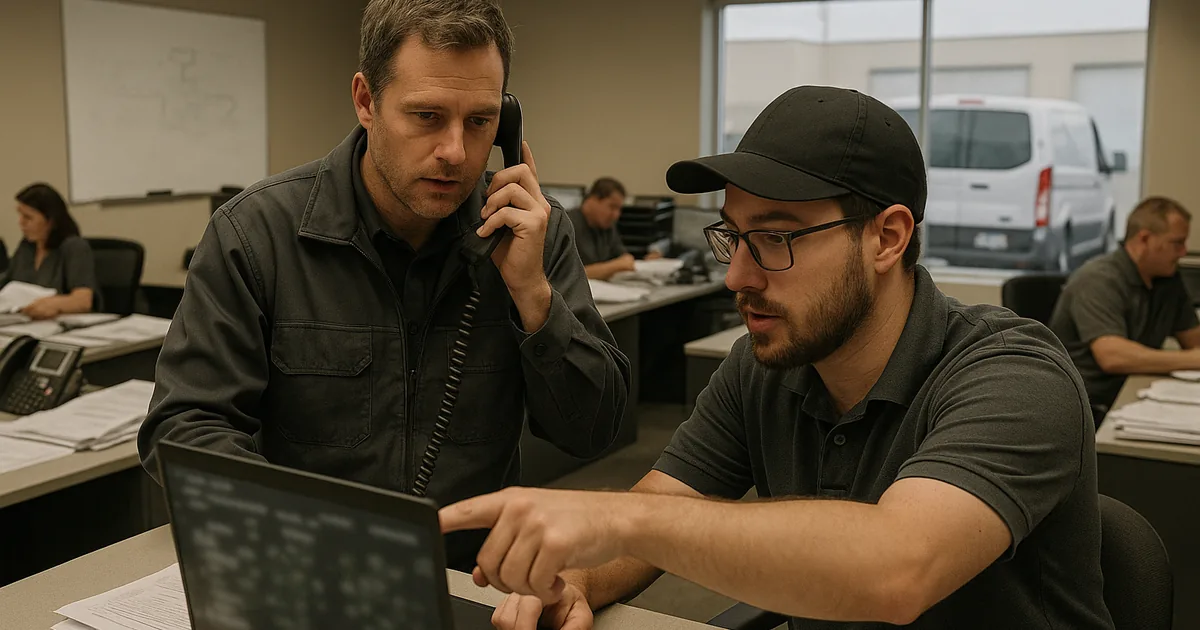
When operations stop in a Truckee Meadows logistics environment, the visible failure is usually the last stage of the problem. The earlier issue is fragmented ownership. One vendor manages the circuit, another handles phones, a software provider supports the line-of-business platform, and an office manager is left coordinating hardware, passwords, and after-hours contacts. That arrangement weakens accountability, slows root-cause analysis, and leaves no one responsible for the whole operating picture.
We see this often in Reno and Sparks facilities where dispatch, intake, billing, and communications all depend on separate systems that were added over time. A business may have internet from one carrier, cloud voice from another, endpoint tools from a third party, and no documented escalation map tying them together. That is why risk assessments and security readiness in Northern Nevada matter before a failure event. They identify where ownership is unclear, where tools overlap, and where a single interruption can cascade into scheduling delays, missed calls, and stalled reporting. In situations like the one King faced, the technical issue may be recoverable in hours, but the operational confusion is what extends downtime.
- Escalation ownership: When no single party owns the incident bridge, vendors default to narrow troubleshooting and the business absorbs the delay.
- Tool overlap: Multiple monitoring, backup, or security products can create blind spots if nobody is validating which alerts matter and who responds.
- Documentation gaps: Circuit IDs, admin credentials, software support contacts, and failover procedures are often incomplete or stored with the wrong person.
- Operational dependency: Logistics hubs rely on phones, scanning, dispatch systems, and shared files at the same time, so one weak handoff can affect the whole floor.
How to Restore Control and Reduce Repeat Downtime
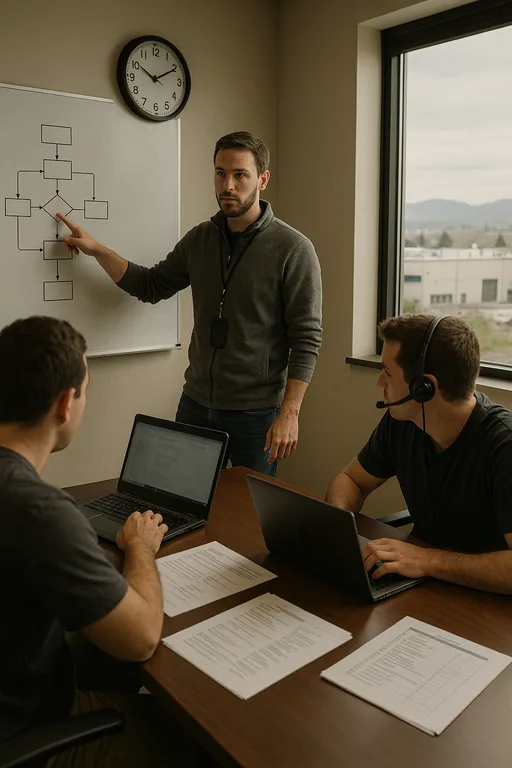
The fix is not just technical cleanup. It starts with assigning clear service ownership, documenting vendor boundaries, and defining who leads incident response when multiple systems fail together. In practice, that means maintaining a current escalation matrix, standardizing admin access, and identifying which systems are business-critical versus merely inconvenient. Businesses that rely on several providers often stabilize faster with managed IT support in Reno that can coordinate carriers, software vendors, and endpoint platforms under one operational process.
From a controls standpoint, we typically recommend validated backups, MFA hardening for all admin accounts, alert routing to a single accountable team, and failover testing for internet and voice where the workflow justifies it. Security readiness also needs to be tied to operational readiness. The CISA ransomware and resilience guidance is useful here because it reinforces fundamentals that also reduce outage recovery time: asset visibility, tested backups, access control, and documented response procedures.
- Single incident owner: Assign one accountable team to coordinate carriers, software support, and local troubleshooting during outages.
- Admin access control: Centralize credentials, MFA, and vendor permissions so recovery does not depend on one employee’s inbox.
- Failover and validation: Test backup connectivity, voice rerouting, and restore procedures on a schedule instead of assuming they will work.
- Alert consolidation: Route monitoring and security events into one reviewed queue to reduce missed signals and duplicate tools.
Field Evidence: Multi-Vendor Dispatch Disruption in South Reno
In one South Reno operating environment with warehouse coordination, cloud phones, and a separate dispatch application, the business had recurring service interruptions that were always described as “carrier issues.” The actual pattern was broader: undocumented firewall changes, stale vendor contacts, and no agreed process for triaging internet, voice, and application failures together. During busy periods, staff would open separate tickets and wait for callbacks while operations slowed across the floor.
After consolidating escalation ownership, cleaning up support documentation, and routing user issues through a structured IT support desk for multi-vendor operations , the business moved from reactive confusion to controlled response. The local detail mattered: weather-related circuit instability and building-to-building handoff issues were part of the pattern, but they were no longer allowed to become all-day events because the response path was defined in advance.
- Result: Average multi-system outage handling time dropped from roughly 3.5 hours to under 70 minutes, with fewer duplicate tickets and faster vendor accountability.
Operational Controls for Vendor-Driven Failure Points
Scott Morris is an experienced IT and cybersecurity professional with 16 years of hands-on experience in managed technology services. He specializes in Risk Assessments And Security Readiness and has spent his career building practical recovery, security, and operational continuity processes for businesses across The Truckee Meadows and Northern Nevada.

About the Author: Scott Morris
Local Support in The Truckee Meadows
For businesses operating across Reno, Sparks, and the South Meadows corridor, local response matters because vendor coordination problems rarely stay isolated to one system. From our office on Ryland Street, the Greater Nevada Financial Center area is typically about 15 minutes away, which makes it practical to support on-site troubleshooting while also managing carrier, software, and hardware escalation remotely. That combination is often what shortens downtime when operations are already under pressure.
Clear Ownership Prevents Small Vendor Gaps from Becoming Full Operational Stops
The vendor chaos problem is rarely about one bad provider. It is usually the result of unclear ownership, weak escalation discipline, and systems that were never reviewed as one operating environment. In a Truckee Meadows logistics setting, that can quickly affect phones, dispatch, billing, scanning, and customer response times all at once.
The practical takeaway is straightforward: define who owns the incident, document the support chain, validate recovery steps, and review business-critical dependencies before the next outage. That is how businesses reduce downtime, improve accountability, and keep routine vendor issues from turning into a full stop.