Reno Plant Security
Seeing encrypted files is often the visible symptom of compliance gaps, not the root problem itself. In manufacturing plants across Reno, issues like missing controls, weak documentation, and loose access policies can quietly undermine business IT operations management until work stops or risk spikes. The fix usually starts with reviewing controls, access, and recovery steps before they are tested under pressure.
This case study reflects real breakdown patterns documented across 300+ regional IT incidents. Names and identifying details have been modified for confidentiality, while technical and financial data remain accurate to the original events.
Why Encrypted Files Usually Point to a Compliance Gap
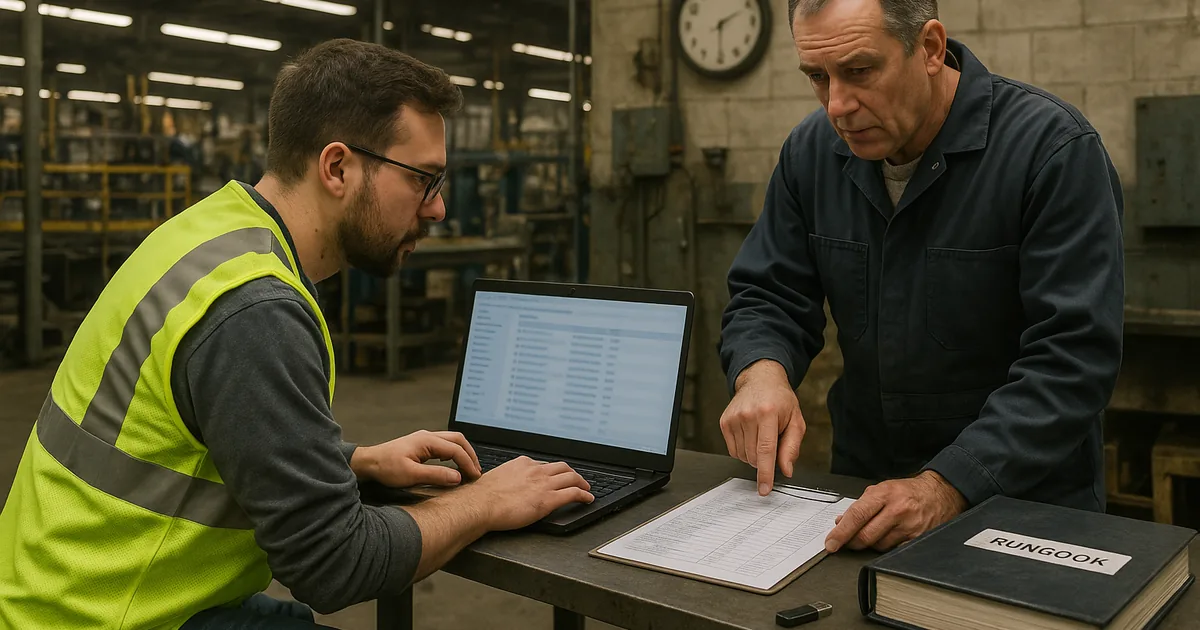
When a Reno manufacturing plant reports encrypted files, the immediate concern is recovery, but the larger question is why the environment allowed the event to spread or interrupt operations in the first place. In our experience, the compliance gap is often the real failure. Controls may exist on paper, but they are not mapped to actual user access, backup validation, vendor connections, or line-of-business systems that support scheduling, inventory, and shipping.
That gap becomes more serious in plants dealing with customer contract requirements, CMMC expectations, HIPAA-adjacent data handling, or internal audit obligations that change faster than internal IT documentation can keep up. A structured approach to business IT operations management in Reno helps close that gap by tying policy, system ownership, and recovery procedures to real operating conditions instead of static checklists. In situations like the one Beverly faced, we usually find that file encryption is only the event that exposes months or years of weak control discipline.
- Access governance: Shared folders, legacy accounts, and broad permissions allow a compromised identity or infected endpoint to reach more data than operations actually require.
- Documentation drift: Security and compliance requirements change, but internal procedures, asset inventories, and recovery steps are not updated to match.
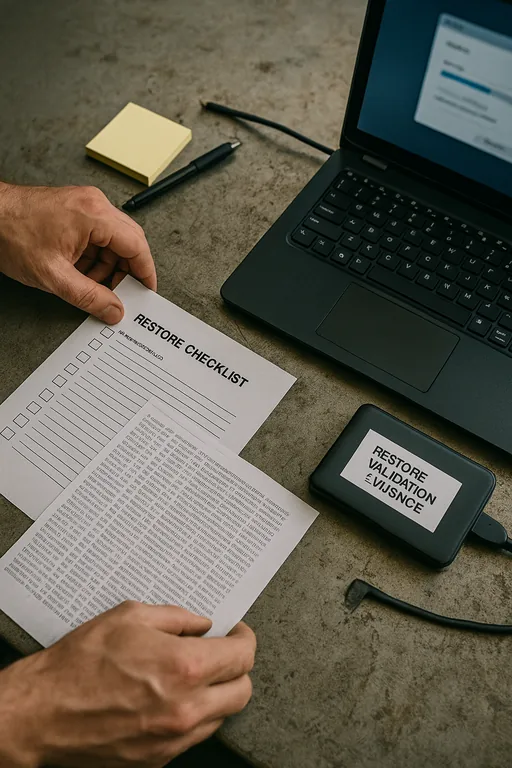
- Backup assumptions: Backups may exist, yet restore testing, retention review, and recovery sequencing for production-critical data have not been validated.
- Plant-floor dependency: Manufacturing environments often rely on a mix of office systems, file shares, ERP tools, and specialty equipment that can all be affected by one weak point.
Practical Remediation for Manufacturing Operations
The right remediation path starts with containment, but it should not stop there. We typically isolate affected endpoints, review identity logs, confirm what data was touched, and verify whether encryption spread through mapped drives, remote access tools, or stale credentials. After that, the work shifts to control repair: permission cleanup, backup validation, MFA hardening, endpoint detection coverage, and documented recovery priorities for production, finance, and scheduling systems.
For plants that do not have enough internal bandwidth to maintain those controls consistently, a defined operating model such as managed IT support plans for multi-site operations is often what keeps the same issue from returning six months later. It also helps to align remediation with established guidance from CISA ransomware response and resilience practices , especially around offline backups, privileged access control, and incident response preparation.
- Identity hardening: Enforce MFA, remove dormant accounts, and reduce shared credential use across office and plant systems.
- Backup validation: Test restores for file shares, ERP data, and production support systems in the order the business actually needs them.
- Endpoint control: Deploy and tune EDR, restrict script execution where practical, and improve alerting for unusual file activity.
- Segmentation: Separate plant-floor devices, office users, and vendor access paths with VLAN and firewall policy controls.
- Compliance mapping: Tie each required control to an owner, evidence source, review date, and recovery procedure.
Field Evidence: Restoring Operations After File Encryption Exposure
We worked through a similar Northern Nevada manufacturing scenario where the initial report sounded simple: users could not open active production files, and supervisors assumed the problem was limited to one server. The deeper review showed inherited permissions across multiple shares, incomplete backup testing, and no current evidence trail for required security controls. The facility also had the common local challenge of coordinating office staff, warehouse activity, and remote vendor access across a busy Reno corridor without a single documented recovery sequence.
After permissions were narrowed, restore testing was completed, and incident alerting was improved, the plant moved from reactive cleanup to a more defensible operating posture. That included better evidence collection for audits and stronger escalation paths supported by Northern Nevada cybersecurity support when suspicious activity appeared again.
- Result: Recovery testing time dropped from an estimated full-day scramble to a documented 90-minute priority restore process for critical file shares and scheduling data.
Compliance and Recovery Control Reference for Manufacturing Plants
Scott Morris is an experienced IT and cybersecurity professional with 16 years of hands-on experience in managed technology services. He specializes in Business It Operations Management and has spent his career building practical recovery, security, and operational continuity processes for businesses across Reno and Northern Nevada.


About the Author: Scott Morris
Local Support in Reno
From our office near downtown Reno, we regularly support businesses across the city, including the Mae Anne Avenue area. For manufacturing and operations teams, proximity matters less than having a documented response process, but local access still helps when onsite coordination, recovery validation, or stakeholder review is needed.
Closing the Gap Before the Next Interruption
Encrypted files in a Reno manufacturing environment usually mean the organization has a control problem, not just a file problem. If access is too broad, recovery steps are untested, and compliance evidence is outdated, the business remains exposed even after systems come back online.
The practical response is to review permissions, validate restores, align documentation to current requirements, and make sure plant operations can continue when one system fails. That is how businesses reduce downtime, limit compliance exposure, and avoid repeating the same disruption under a different name.