Reno Plant Risk
Seeing encrypted files is often the visible symptom of growth outpacing IT capacity, not the root problem itself. In manufacturing plants across Reno, issues like endpoint sprawl, underplanned infrastructure, and inconsistent standards can quietly undermine backup and recovery programs until work stops or risk spikes. The fix usually starts with standardizing how new users, devices, and systems are brought online.
This case study reflects real breakdown patterns documented across 300+ regional IT incidents. Names and identifying details have been modified for confidentiality, while technical and financial data remain accurate to the original events.
Why Encrypted Files Often Signal a Scalability Ceiling

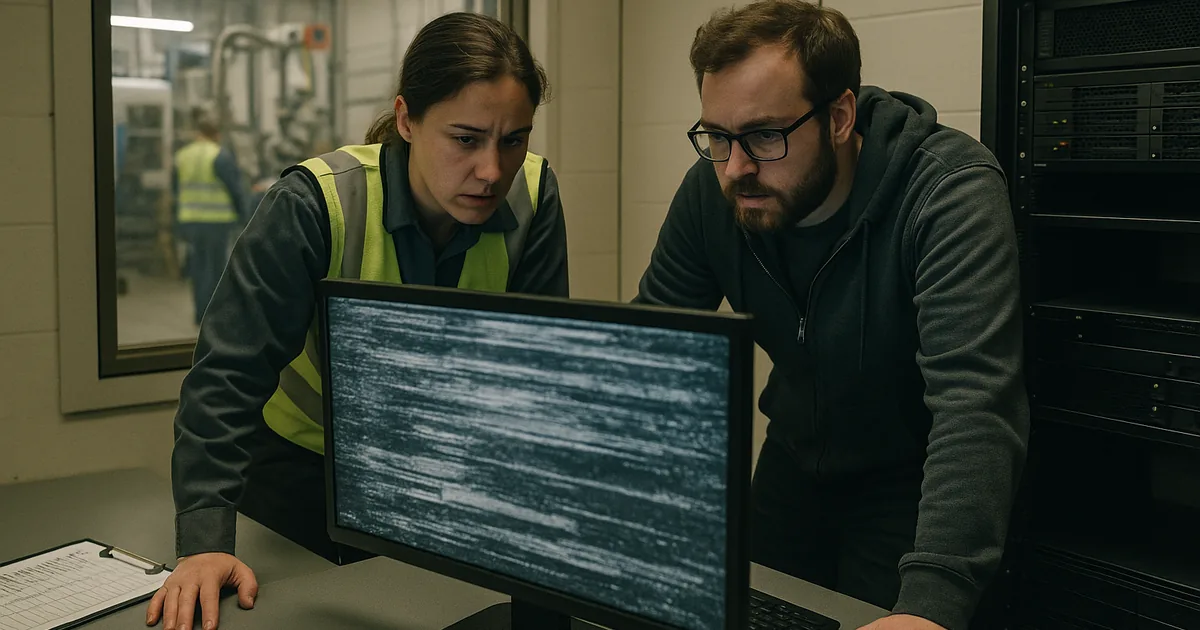
When a Reno manufacturing plant starts seeing encrypted files, the immediate concern is valid: restore access, contain spread, and determine whether the event came from malware, unauthorized encryption, or a failed sync process. But in practice, the larger issue is often that the business has grown past the point where informal IT processes still work. New hires arrive, shared folders multiply, machines are added to support production, and exceptions become the standard. That is the scalability ceiling risk. The environment keeps expanding, but the controls around identity, endpoint setup, backup scope, and network segmentation do not expand with it.
We typically find that backup failures in these environments are not caused by one dramatic mistake. They come from accumulation: endpoints not enrolled in policy, line-of-business systems added without documentation, stale permissions on file shares, and recovery plans that were never updated after the last hiring wave. For plants trying to prevent repeat disruption, structured backup and recovery programs in Reno operations matter because they define what gets protected, how often it is tested, and how recovery priorities are set when production cannot wait. In cases like the one Carl dealt with, the encrypted files were only the symptom; the real failure was uncontrolled growth across users, devices, and storage.
- Endpoint sprawl: As plants add office PCs, shared terminals, laptops, and vendor-connected systems, any device outside standard onboarding can miss backup agents, security policy, or patching.
- Infrastructure drift: File shares, NAS devices, and local servers often expand faster than storage planning, which creates blind spots in retention, replication, and restore testing.
- Inconsistent provisioning: If new users and machines are set up differently by department or urgency, access control and recovery coverage become uneven.
- Operational dependency: Manufacturing scheduling, purchasing, QA records, and shipping documents are tightly linked, so one encrypted file set can stall multiple teams at once.
How to Stabilize Growth Before the Next Hiring Wave
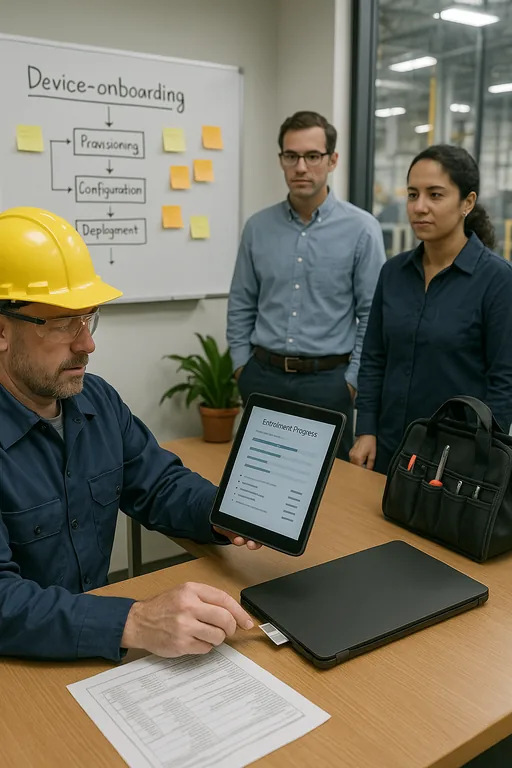
The practical fix is not just decrypting files or restoring from backup. It is building a repeatable operating model for growth. That starts with a standard onboarding workflow for every new employee, workstation, mobile device, shared terminal, and production-adjacent system. Each asset should be enrolled in monitoring, endpoint protection, patching, backup scope review, and access policy before it becomes part of daily operations. Plants that are adding headcount or expanding shifts usually benefit from cybersecurity services in Washoe County that tie endpoint controls, identity hardening, and incident response into one managed process instead of treating them as separate projects.
We also recommend validating recovery assumptions against current operations, not last year’s network map. That means confirming which systems support scheduling, machine data, quality records, ERP access, and vendor communications, then ranking them by recovery priority. MFA hardening, segmented access for plant-floor devices, tested immutable backups, and alerting around unusual file activity all reduce the chance that a single compromised endpoint turns into a broad file encryption event. The CISA ransomware guidance is a useful baseline, but manufacturing sites usually need those controls translated into shift-based, production-aware procedures.
- Standardized onboarding: Require every new user and device to follow the same checklist for account creation, MFA enrollment, endpoint policy, backup inclusion, and documentation.
- Backup validation: Test restores by system priority, including shared production files, not just server-level backup job success.
- Network segmentation: Separate office systems, plant-floor devices, guest access, and vendor connections to limit lateral movement.
- Alerting improvements: Trigger investigation on unusual file rename patterns, mass encryption behavior, or backup agent failures.
Field Evidence: Growth Pressure Across a Reno Production Network
We worked through a similar pattern for a Northern Nevada operation running mixed office and production workloads between a Reno industrial corridor and a secondary warehouse location. Before remediation, the business had added staff and devices quickly, but endpoint enrollment and file-share permissions had not kept pace. Recovery documentation was outdated, several systems were outside normal monitoring, and management assumed backups covered more than they actually did.
After standardizing device onboarding, tightening file-share access, and extending endpoint and threat protection for growing business systems across all active workstations, the environment became much easier to manage. Restore testing was tied to actual business processes, not generic server lists, and unusual file activity generated earlier alerts. That matters in Northern Nevada, where multi-building layouts, vendor access, and distance between sites can slow response if the environment is not already organized.
- Result: Recovery testing coverage increased from partial file-share validation to full priority-based restore checks, and the business reduced unprotected endpoints by more than 90 percent within one quarter.
Manufacturing Scalability Risk Control Reference
Scott Morris is an experienced IT and cybersecurity professional with 16 years of hands-on experience in managed technology services. He specializes in Backup And Recovery Programs and has spent his career building practical recovery, security, and operational continuity processes for businesses across Reno, Sparks, Carson City, Lake Tahoe, and Northern Nevada and Northern Nevada.

About the Author: Scott Morris
Local Support in Reno and Northern Nevada
Manufacturing businesses in Reno often need support that accounts for real travel time, multi-site coordination, and the difference between office systems and plant-floor operations. From our office on Ryland Street, the route to the Hidden Valley area is typically about 17 minutes under normal conditions, which matters when recovery work includes both remote triage and on-site validation of affected systems, users, and shared storage.
What Manufacturing Leaders Should Take Away
Encrypted files in a Reno plant are rarely just a file problem. More often, they expose that the business added people, devices, storage, and process dependencies faster than IT standards were expanded. Once that gap opens, backup coverage becomes uneven, recovery assumptions drift, and a single endpoint or file-share issue can interrupt scheduling, quality, shipping, and reporting at the same time.
The operational answer is straightforward even if the work takes discipline: standardize onboarding, document what matters to production, validate restores against current workflows, and keep endpoint and access controls aligned with growth. If your next ten hires will change how systems are used, IT planning needs to happen before they arrive, not after the first outage.