Reno Network Crash
Problems like this tend to stay hidden until something important breaks. For financial offices in South Meadows, that often means a network crash, avoidable delays, or a bigger recovery burden than expected. The best response is reviewing controls, access, and recovery steps before they are tested under pressure.
This case study reflects real breakdown patterns documented across 300+ regional IT incidents. Names and identifying details have been modified for confidentiality, while technical and financial data remain accurate to the original events.
Why a Compliance Gap Turns a Network Crash Into a Business Failure
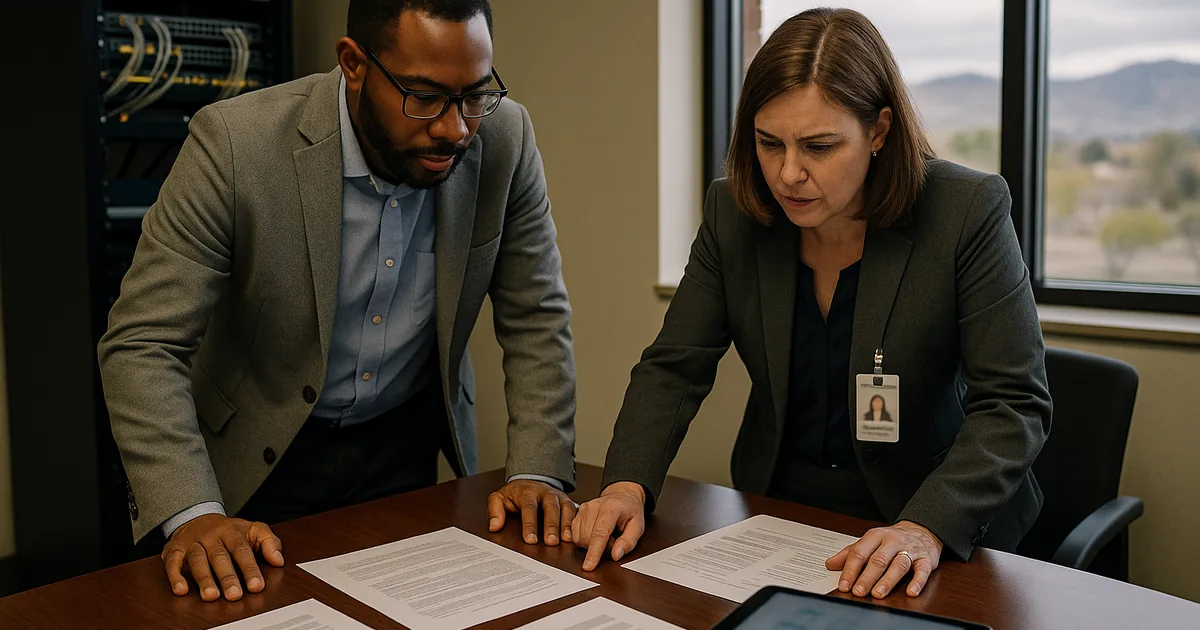
A network crash in a financial office is rarely just a switch, firewall, or ISP event. In South Meadows, the more serious pattern we see is that the outage exposes a control problem that was already there. The compliance gap is the failure to keep policies, access rules, recovery steps, and audit evidence aligned with how the business actually operates. When regulations and internal procedures drift apart, a routine technical fault becomes a larger operational disruption.
For financial teams handling client records, approvals, reporting, and secure communications, undocumented changes create avoidable risk. A user account may still have broader access than policy allows. A backup may exist, but no one has verified restore order for line-of-business systems. A firewall rule may support convenience but not current governance requirements. That is why businesses dealing with recurring instability often need governance policy and audit preparation in Northern Nevada tied directly to production systems, not just a binder of policies. In Alexandra’s case, the outage was the visible symptom; the real failure was that technical controls and compliance expectations had fallen out of sync.
- Technical factor: Unverified access controls, outdated recovery documentation, and incomplete audit mapping can turn a single network interruption into delayed client service, staff idle time, and increased exposure during post-incident review.
- Operational factor: Financial offices in South Meadows often depend on multiple cloud platforms, secure file workflows, and time-sensitive appointments, so even a short outage can disrupt intake, approvals, and reporting.
- Local factor: In Reno-area offices, mixed carrier environments, suite buildouts, and incremental network changes over time often create hidden dependencies that are not reflected in policy or recovery plans.
How to Correct the Gap Before the Next Outage
The fix is not just replacing hardware or rebooting services. The practical response starts with identifying which systems are business-critical, which controls are required by policy or regulation, and whether those controls are actually enforced in the live environment. We typically review identity management, network segmentation, backup integrity, vendor dependencies, and incident response steps together because they fail together under pressure.
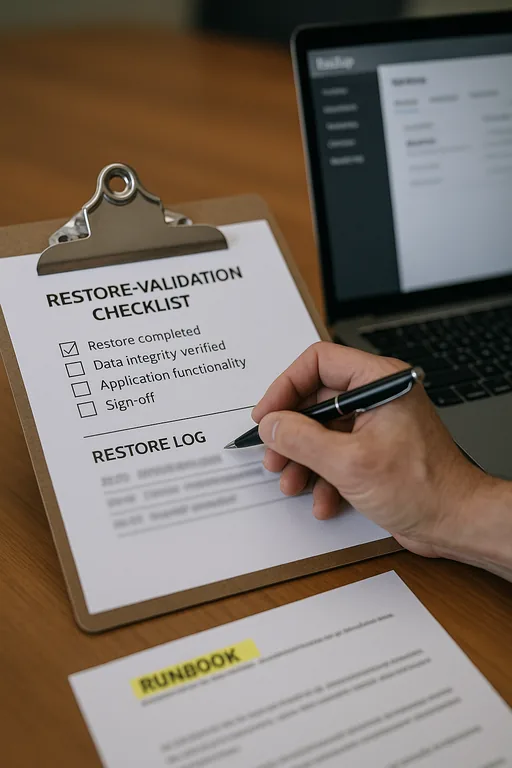
For financial offices, that work should be structured enough to support audits and operational enough to survive a real outage. A formal review through compliance-focused IT management helps connect written requirements to actual configurations, while guidance from CISA remains useful for incident readiness, recovery planning, and access hardening. We also recommend validating restore order and failover assumptions through backup and disaster recovery planning for Reno offices so recovery is measured, not improvised.
- Control step: Build and maintain a current system inventory tied to policy requirements, then test backup restoration, MFA enforcement, privileged access review, and network failover on a defined schedule.
- Control step: Segment sensitive financial workflows from general office traffic using VLANs and role-based access so a local network fault does not affect every user and every process at once.
- Control step: Create alerting for failed backups, authentication anomalies, and device health so the team sees drift before it becomes downtime.
Field Evidence: South Reno Financial Workflow Recovery
We have seen this pattern in offices along the South Meadows and Kietzke corridor where a network interruption initially looked like a carrier problem, but the deeper issue was missing control validation. Before remediation, staff had inconsistent access behavior, no tested restore sequence for shared data, and no clear record showing which systems supported regulated workflows. After cleanup, the office had a documented recovery order, enforced MFA on privileged accounts, segmented network paths for critical applications, and a tested restore process for the most important file and line-of-business systems.
- Result: Recovery testing reduced expected outage time from most of a business day to under 90 minutes for core services, while audit preparation time dropped because control evidence was already organized and current.
Compliance Gap Risk Reference for Financial Offices
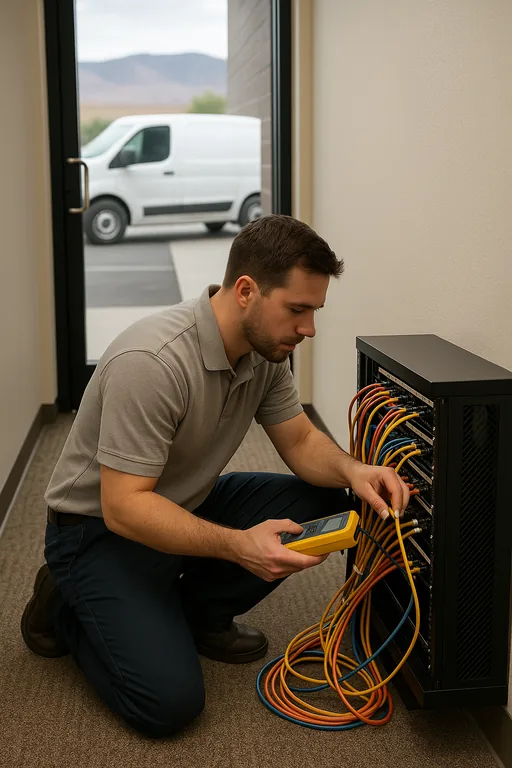
Scott Morris is an experienced IT and cybersecurity professional with 16 years of hands-on experience in managed technology services. He specializes in Governance Policy And Audit Preparation and has spent his career building practical recovery, security, and operational continuity processes for businesses across South Meadows, Reno, Sparks, Carson City, and Northern Nevada and Northern Nevada.

About the Author: Scott Morris
Local Support in South Meadows, Reno, Sparks, Carson City, and Northern Nevada
Our team supports financial and professional offices throughout Reno and the surrounding region, including South Meadows where timing matters when a network issue affects client appointments, secure communications, or regulated workflows. From our Ryland Street office, the Charles Schwab Reno Branch area is typically about 12 minutes away, which helps when onsite validation is needed after a crash, access failure, or recovery test.
What Financial Offices Should Take From This
A network crash in South Meadows is often the event that finally exposes a deeper compliance and control problem. If policies, access permissions, backup validation, and recovery steps are not aligned with the real environment, the business pays for the gap through downtime, delayed client work, and harder audit preparation.
The practical takeaway is straightforward: review the controls before the next outage tests them. For financial offices, that means treating governance, recovery, and technical operations as one system instead of separate tasks handled only when something breaks.