Reno Logistics Risk
Seeing operations stopping is often the visible symptom of hidden threats, not the root problem itself. In logistics hubs across Reno, issues like stolen credentials, MFA gaps, and weak monitoring can quietly undermine backup and recovery programs until work stops or risk spikes. The fix usually starts with hardening identity, watching for abnormal behavior, and closing blind spots across users and devices.
This case study reflects real breakdown patterns documented across 300+ regional IT incidents. Names and identifying details have been modified for confidentiality, while technical and financial data remain accurate to the original events.
Why Hidden Identity Threats Stop Logistics Operations

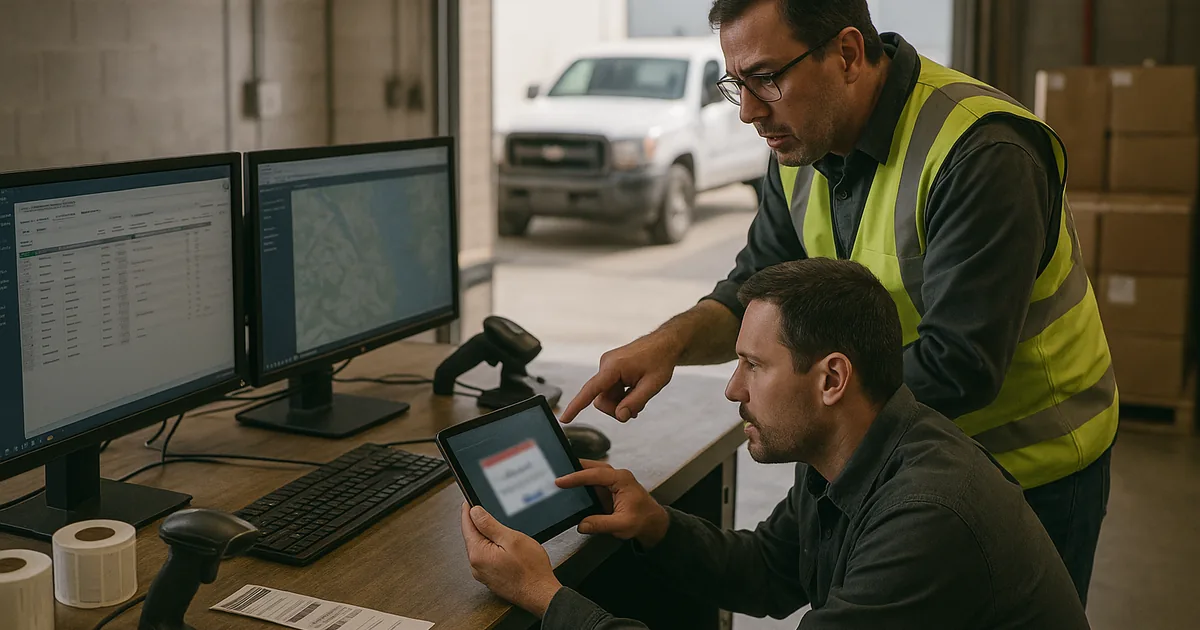
When operations stop at a Reno logistics hub, the visible failure is often only the last stage of the problem. We regularly find that the real issue starts earlier with compromised credentials, weak multifactor enforcement, stale permissions, or missing alerting around unusual sign-in behavior. Modern attackers do not need to break through a firewall if they can log in with a valid account that already has access to dispatch records, file shares, cloud email, or backup consoles.
That matters because backup and recovery programs are only effective if the identities controlling them are protected. If an attacker gets into Microsoft 365, a remote access portal, or an admin account tied to backup jobs, they can disable alerts, alter retention, or quietly map the environment before anyone notices. For companies moving freight across Reno, Sparks, and the broader Northern Nevada corridor, this is why backup and recovery programs in Reno have to be treated as part of a larger identity and monitoring strategy, not just a storage function. In incidents like the one Gael faced, the backup platform may still be present, but trust in the recovery path is already degraded.
- Credential abuse: A stolen username and password can let an attacker move through email, VPN, cloud apps, and administrative tools without triggering the kind of perimeter alarms many businesses still rely on.
- MFA gaps: Partial multifactor deployment leaves service accounts, legacy protocols, or remote tools exposed even when leadership believes MFA is already in place.
- Weak monitoring: Without sign-in anomaly alerts, impossible-travel detection, and endpoint visibility, suspicious access can blend into normal warehouse and office activity.
- Backup control exposure: If the same privileged accounts manage production systems and backup systems, one compromise can affect both operations and recovery.
Practical Remediation for Backup, Identity, and Monitoring Gaps
The fix is usually not one tool. It is a sequence of controls that closes the path attackers use after they obtain credentials. Start by reviewing every account with access to email, remote access, line-of-business systems, and backup administration. Enforce phishing-resistant MFA where possible, disable legacy authentication, separate backup administration from daily user identities, and verify that alerting reaches someone who can act on it after hours. For logistics environments with multiple offices, yard devices, and warehouse workstations, we also recommend segmenting operational systems so a compromised user account does not automatically expose file servers, backup repositories, and dispatch applications at the same time.
From there, the environment needs disciplined oversight. That includes log review, endpoint detection, privileged access controls, tested restore procedures, and infrastructure baselines that are maintained over time. Businesses with recurring operational interruptions often stabilize faster with structured infrastructure management for multi-site operations that covers network health, identity dependencies, and recovery readiness together. Guidance from CISA is also useful here because it reinforces the same fundamentals we see in the field: strong authentication, access discipline, and early detection.
- Identity hardening: Require MFA across all user and admin accounts, remove legacy protocols, and review conditional access rules for remote and high-risk sign-ins.
- Backup isolation: Use separate privileged credentials for backup administration and protect backup storage from routine domain-level access.
- Endpoint visibility: Deploy EDR on office, warehouse, and mobile systems so suspicious behavior is detected before it reaches critical systems.
- Alerting improvements: Route authentication, backup failure, and privilege-change alerts to a monitored queue with clear escalation steps.
Field Evidence: Dispatch Delays Traced Back to Account Abuse
In one Northern Nevada distribution environment, the initial complaint was simple: staff could not complete normal dispatch and billing tasks, and leadership assumed the issue was a failed restore point or unstable server. The actual cause was a compromised account with broad access to cloud email, remote tools, and internal file resources. Because the business operated across a warehouse and office workflow with early-morning shipping deadlines, even a short interruption created immediate pressure on scheduling and customer communication.
After isolating the affected accounts, enforcing MFA consistently, separating backup administration, and tightening monitoring around privileged activity, the organization moved from reactive recovery to controlled operations. We also used IT consulting in Northern Nevada to align technical controls with management decisions around access, vendor coordination, and incident response ownership.
- Result: Authentication-related disruptions dropped, restore confidence improved, and the business reduced unplanned operational downtime from repeated short interruptions to a single controlled remediation window.
Reference Table: Hidden Threat Controls for Logistics Operations
Scott Morris is an experienced IT and cybersecurity professional with 16 years of hands-on experience in managed technology services. He specializes in Backup And Recovery Programs and has spent his career building practical recovery, security, and operational continuity processes for businesses across Reno and Northern Nevada.

About the Author: Scott Morris
Local Support in Reno
We support businesses across Reno, including logistics and operations-heavy environments where a short interruption can quickly affect dispatch, billing, and customer commitments. From our Ryland Street office, the Damonte Ranch area is typically about 16 minutes away under normal conditions, which matters when onsite validation, user coordination, or recovery work cannot wait.
Operations Stop Late, Risk Starts Early
When a logistics hub in Reno suddenly loses access to dispatch, billing, or recovery systems, the interruption usually began well before the visible outage. Hidden identity threats, incomplete MFA coverage, and weak monitoring can quietly erode the reliability of backup and recovery until the business is forced into a reactive response.
The practical takeaway is straightforward: protect identities with the same discipline used to protect servers and backups, verify that monitoring can catch abnormal behavior early, and separate recovery controls from routine user access. That approach reduces downtime, improves restore confidence, and gives operations teams a more dependable path through an incident.