Reno Logistics Hub Risk
This kind of issue rarely appears all at once. For logistics hubs in Northern Nevada, it usually builds through surprise spending, delayed upgrades, and aging infrastructure and then surfaces as operations stopping, slower recovery, or higher exposure. A more reliable setup starts with planning upgrades deliberately and aligning IT decisions to business risk.
This case study reflects real breakdown patterns documented across 300+ regional IT incidents. Names and identifying details have been modified for confidentiality, while technical and financial data remain accurate to the original events.
Why Financial Roadmap Gaps Stop Logistics Operations

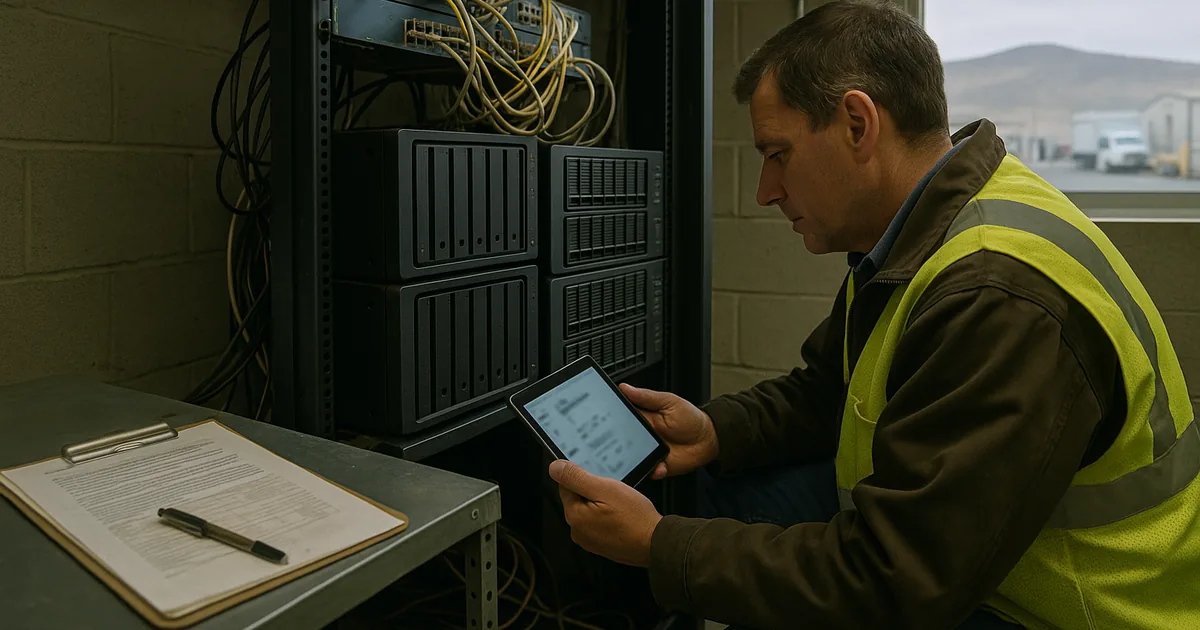
For logistics hubs in Reno, Sparks, Carson City, and the broader Northern Nevada corridor, operations usually stop because technical debt has been allowed to accumulate without a business plan behind it. The pattern is consistent: aging switches stay in place another year, identity controls are deferred because another project feels more urgent, backup storage is expanded informally, and line-of-business systems remain tied to old hardware because replacement was never budgeted. The result is not just an IT inconvenience. It is a direct interruption to dispatch timing, receiving workflows, billing, and customer communication.
The financial roadmap matters because it turns IT from a surprise expense into a managed operating function. Without that discipline, identity, email, and user security controls tend to be reactive. We often see password sprawl, inconsistent MFA enforcement, unsupported mail connectors, and delayed patch cycles in environments that otherwise look stable from the outside. When one component fails, the business discovers that resilience was assumed rather than designed. That is why many organizations reduce exposure by putting structure around identity and email security in Northern Nevada before a lockout, phishing event, or infrastructure failure forces the issue. In cases like Wyatt’s, the outage is only the visible symptom; the root cause is usually years of deferred planning.
- Technical factor: Deferred lifecycle replacement and unbudgeted security upgrades leave core systems such as Microsoft 365 identity, file access, and shared operational platforms dependent on aging infrastructure with no clear recovery path.
- Operational consequence: Dispatch updates slow down, receiving teams work from stale information, finance cannot process documents on time, and leadership loses visibility into what failed first and what must be restored next.
- Local reality: Multi-site operations across Northern Nevada often depend on stable WAN links, mixed carrier service, and older industrial spaces where network closets, power quality, and cooling are not ideal for unsupported equipment.
How to Build a Practical Remediation Plan
The fix is not simply replacing one failed device. A workable remediation plan starts with a business-aligned roadmap: identify which systems support dispatch, receiving, finance, and customer communication; assign recovery priorities; and budget upgrades in a sequence that reduces operational risk first. That usually means standardizing identity controls, documenting dependencies between email, file access, and line-of-business applications, and removing unsupported infrastructure before it becomes the next outage trigger.
We typically recommend a quarterly planning process tied to risk, compliance, and lifecycle dates rather than waiting for emergency spend requests. For organizations that need more structure, compliance-focused IT management helps connect budgeting decisions to security controls, audit readiness, and operational continuity. Practical guidance from CISA’s ransomware and resilience resources is also useful because it reinforces the same fundamentals: segmented access, tested recovery, hardened identities, and documented response procedures.
- Control step: Build a 12- to 24-month IT roadmap that schedules hardware refreshes, MFA hardening, email protection, backup validation, and vendor renewals before they become emergency purchases.
- Practical action: Prioritize identity platform cleanup, remove legacy admin accounts, validate licensing alignment, and map each critical workflow to a documented recovery sequence.
- Control step: Add alerting and reporting around storage health, authentication failures, and backup job status so leadership sees risk trends before operations stop.
Field Evidence: Stabilizing a Northern Nevada Distribution Workflow
We worked with a regional operation serving the Reno-Sparks industrial corridor where file shares, email, and shipping documentation had grown across older servers and ad hoc cloud services. Before remediation, the environment had repeated after-hours alerts, inconsistent user access, and no clear budget path for replacing aging equipment. Recovery planning existed on paper, but backup testing had not kept pace with system changes.
After documenting dependencies, sequencing upgrades, and validating restore procedures, the business moved from reactive spending to scheduled replacement and tested recovery. That included using backup and disaster recovery planning for business continuity as part of the financial roadmap rather than as a separate emergency project. In one winter weather event that caused a site interruption, core file access and communications were restored within the planned window instead of stretching into the next business day.
- Result: Unplanned downtime incidents dropped, recovery testing moved to a documented schedule, and priority systems were restored in under 90 minutes instead of an estimated 6 to 8 hours.
Financial Roadmap Controls for Logistics IT
About the Author: Scott Morris


Scott Morris is an experienced IT and cybersecurity professional with 16 years of hands-on experience in managed technology services. He specializes in Identity Email And User Security and has spent his career building practical recovery, security, and operational continuity processes for businesses across Northern Nevada and Northern Nevada.
Local Support in Northern Nevada
Reno Computer Services supports organizations across Reno and the surrounding Northern Nevada service area, including operations that depend on reliable dispatch, secure user access, and predictable recovery planning. For businesses working near Wolf Run and other South Reno locations, local response matters, but so does having a roadmap that prevents emergency spending from becoming an operational pattern.
What Logistics Leaders Should Take From This
When a logistics operation in Northern Nevada suddenly stops, the technical failure is often only the final event in a much longer budgeting problem. Deferred upgrades, unclear ownership, aging infrastructure, and inconsistent security controls create a chain of risk that eventually reaches dispatch, billing, and customer communication. A financial roadmap reduces that exposure by making replacement cycles, security controls, and recovery priorities visible before they become emergency decisions.
The practical takeaway is straightforward: if identity, email, backup, and infrastructure planning are still being handled as separate surprise expenses, the business is carrying more operational risk than it likely realizes. A structured roadmap gives leadership a way to control spend, improve resilience, and keep core workflows moving even when a component fails.