
Reno Lockout Help
What looks like a one-off issue is often tied to hidden threats. In medical practice environments, stolen credentials, MFA gaps, and weak monitoring can turn into ransomware, fraud, and data loss long before anyone notices the warning signs. Closing those gaps early makes business continuity and backup compliance far more resilient.
This case study reflects real breakdown patterns documented across 300+ regional IT incidents. Names and identifying details have been modified for confidentiality, while technical and financial data remain accurate to the original events.
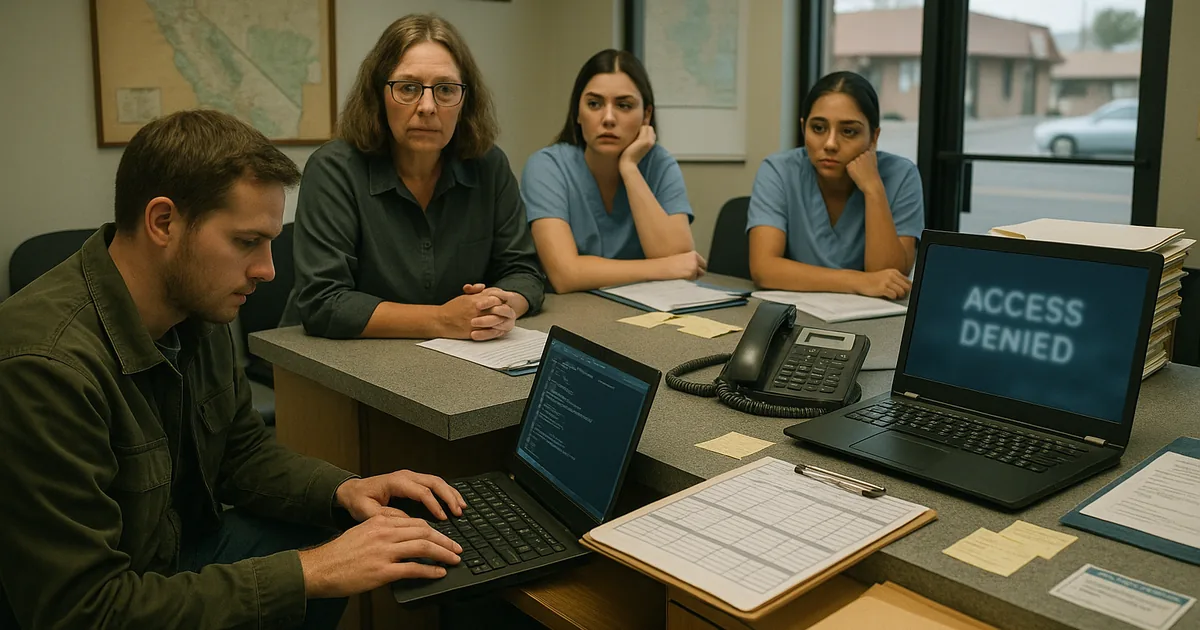
Why a Medical Practice Lockout Usually Points to a Larger Security Failure
When a medical office in Washoe County gets locked out, the visible symptom is usually access failure. The underlying issue is often identity compromise. Modern attackers do not need to break through a perimeter device if they can sign in with a valid username, a reused password, or a session token captured from an unmanaged device. That is why a firewall alone will not catch the full problem. In practice environments using Microsoft 365, cloud EHR tools, remote billing portals, and shared administrative accounts, one stolen credential can move quietly across systems before anyone sees obvious disruption.
We typically find that the first alert is not the first event. It is the first event the business noticed. In healthcare offices around Reno, Sparks, and broader Washoe County, the pattern often starts with mailbox rules, suspicious MFA prompts, impossible travel logins, or disabled accounts after repeated failed attempts. By the time the office reports an outage, the attacker may already have touched email, file storage, or vendor portals. That is why business continuity and backup compliance in Northern Nevada has to include identity protection, not just backup retention. In incidents like this, the lockout is the operational interruption, but the invisible threat is the unauthorized access that came first. That is the same reason the issue affecting Greg was more than a help desk reset.
- Credential misuse: Stolen usernames and passwords can bypass traditional perimeter defenses and create valid-looking logins inside cloud systems.
- MFA gaps: Weak enrollment, inconsistent enforcement, or push-fatigue approval can let attackers maintain access even after a password change.
- Limited monitoring: Without sign-in analytics, endpoint telemetry, and alert review, abnormal behavior can continue for days before staff notice a lockout or missing data.
- Medical workflow exposure: Scheduling, intake, referrals, claims, and patient communication all depend on identity-based access, so even a short outage can affect revenue and continuity.
Practical Remediation for Hidden Identity Threats in Medical Environments
The fix is not a single password reset. It starts with containment, then moves into validation and hardening. We isolate affected accounts, revoke active sessions, review conditional access logs, confirm whether mailbox forwarding or privilege changes occurred, and verify that backup data is intact and recoverable. In a medical office, that also means checking line-of-business access, shared workstations, and any third-party billing or imaging portals tied to the same identity set.
Longer term, the environment needs stronger control over cloud identity and device trust. That usually includes enforced MFA with phishing-resistant methods where possible, conditional access policies, endpoint detection, alert escalation, and tighter oversight of Microsoft 365 tenants. For practices with distributed staff, front-desk devices, and remote administrators, structured cloud and Microsoft environment management closes many of the blind spots that let these incidents persist. The technical baseline should also align with practical guidance from CISA on multifactor authentication , especially for organizations handling sensitive records.
- Session revocation: Force sign-out across cloud services and invalidate tokens so compromised sessions cannot continue after a password change.
- MFA hardening: Require MFA for all users, remove legacy authentication, and reduce approval fatigue with stronger sign-in controls.
- Endpoint visibility: Deploy EDR and review workstation activity to confirm whether the compromise stayed in the cloud or touched local systems.
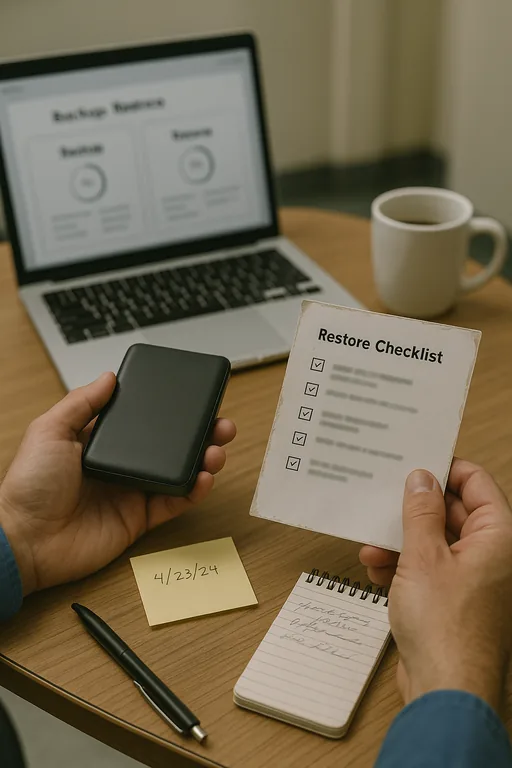
- Backup validation: Test restore points for critical files, configuration data, and operational records so recovery is verified, not assumed.
Field Evidence: From Account Lockouts to Controlled Recovery
In one Northern Nevada healthcare workflow review, the initial complaint was repeated account lockouts and intermittent access to shared files. Before remediation, the office had inconsistent MFA enrollment, no clear alert path for suspicious sign-ins, and limited visibility into whether remote access events were legitimate. The practice also depended on a small number of shared administrative workflows, which made every interruption more disruptive during busy morning intake periods.
After tightening identity controls, validating backups, and improving alerting, the office moved from reactive resets to a controlled response model. Sign-in anomalies were reviewed quickly, shared access was reduced, and recovery steps were documented for front-desk and billing staff. For clinics operating between Reno and Sparks, where multi-site coordination and vendor dependencies are common, this kind of structure matters as much as the security tools themselves. We also see better long-term stability when organizations pair those controls with IT systems for multi-location operations that keep monitoring, escalation, and asset oversight consistent.
- Result: Repeated lockout events dropped to near zero, suspicious sign-ins were flagged early, and tested recovery procedures reduced operational disruption from hours to under 30 minutes.
Reference Points for Medical Practice Identity and Continuity Risk
Scott Morris is an experienced IT and cybersecurity professional with 16 years of hands-on experience in managed technology services. He specializes in Business Continuity And Backup Compliance and has spent his career building practical recovery, security, and operational continuity processes for businesses across Washoe County and Northern Nevada.

About the Author: Scott Morris
Local Support in Washoe County
Medical practices in Reno, Sparks, and surrounding Washoe County often need fast response that also accounts for cloud identity, backup validation, and day-to-day workflow continuity. From our Reno office, the Sparks destination in this scenario is typically about 12 minutes away, which matters when front-desk operations, scheduling, and claims processing are already under pressure.
Operational Takeaway for Washoe County Medical Practices
A lockout at a medical practice is rarely just an inconvenience. In many cases, it is the first visible sign that identity controls, monitoring, and recovery planning are not keeping pace with how the office actually works. When attackers log in with valid credentials, the damage can begin quietly through email, cloud storage, and vendor portals before anyone sees a major outage.
The practical response is to treat access failures as a continuity and security event at the same time. That means reviewing sign-in behavior, hardening MFA, validating backups, and making sure recovery steps are tested against real front-desk and billing workflows. For healthcare organizations in Washoe County, that approach reduces repeat incidents and keeps business operations more stable when something abnormal does happen.