
Reno Lockout Audit
What looks like a one-off issue is often tied to compliance gaps. In medical practice environments, missing controls, weak documentation, and loose access policies can turn into audit findings, fines, and operational disruption long before anyone notices the warning signs. Closing those gaps early makes compliance advisory programs far more resilient.
This case study reflects real breakdown patterns documented across 300+ regional IT incidents. Names and identifying details have been modified for confidentiality, while technical and financial data remain accurate to the original events.

Why Compliance Gaps Turn Into Lockouts in Washoe County Medical Practices
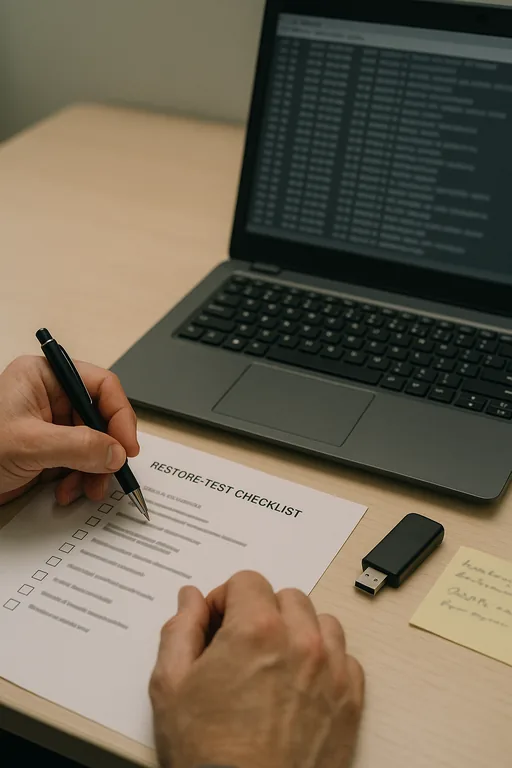
The direct answer is that most medical-practice lockouts tied to audits are not caused by one broken password or one bad update. They usually come from a compliance gap that has been sitting in the environment for months: undocumented access rights, inconsistent onboarding and offboarding, missing policy enforcement, or controls that were never tested after a vendor change. In Washoe County, we often see smaller practices trying to keep up with HIPAA expectations while regulations and documentation requirements move faster than internal IT processes can keep pace.
That is where the real exposure develops. A practice may pass day-to-day operations without obvious trouble, but once an account review, MFA change, EHR integration update, or audit request occurs, the missing documentation shows up immediately. The result can be locked accounts, inaccessible shared folders, delayed charting, or uncertainty over who should have access to protected health information. Businesses trying to stabilize these issues often benefit from structured compliance advisory programs in Northern Nevada that connect policy, technical controls, and operational accountability instead of treating them as separate tasks.
We also see local factors make the problem worse. Multi-provider offices in Reno and Sparks often rely on a mix of cloud applications, line-of-business medical software, and remote access for billing or after-hours administration. If those systems were set up over time by different vendors, no one may own the full access map. That is usually the point where a routine review becomes a disruption, and it is why incidents like the one affecting Darlene are rarely isolated technical events.
- Access governance: When user roles, MFA settings, and termination procedures are not documented and reviewed, a routine policy change can block legitimate staff while leaving broader compliance issues unresolved.
- Documentation drift: HIPAA-related procedures often lag behind actual system changes, creating audit exposure when administrators cannot show how access, backups, and safeguards are being managed.
- Vendor sprawl: Medical offices frequently depend on multiple software and telecom providers, and no single party verifies whether controls still align after upgrades or account changes.
Practical Remediation for Access Control, Documentation, and Recovery Readiness
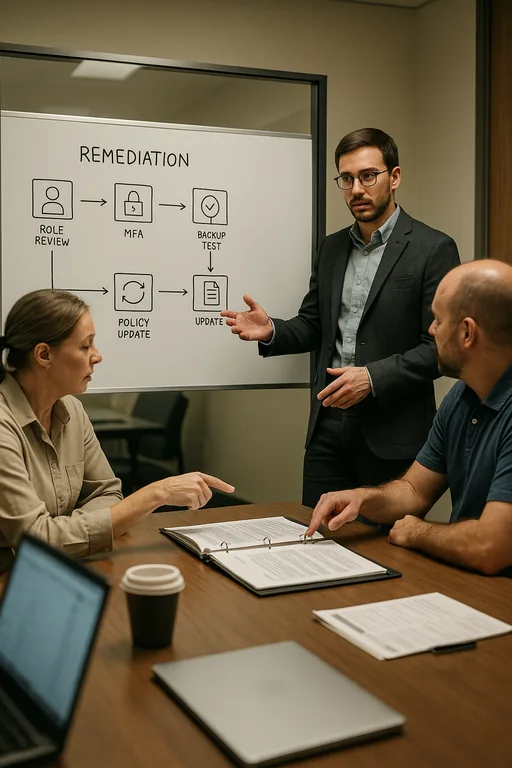
The fix is not just restoring access. The right remediation path starts with confirming what failed, what control was missing, and whether the same weakness could affect patient scheduling, billing, or records availability again next week. In practice, that means reviewing identity policies, validating role-based access, documenting exceptions, and confirming that backup and recovery procedures match the systems the practice actually uses. If a lockout affects file shares, cloud records, or line-of-business applications, the office also needs a tested recovery path rather than assumptions.
For many practices, that includes tightening administrative access, enforcing MFA consistently, validating audit logs, and aligning recovery planning with HIPAA security expectations. A strong remediation plan should also include backup and disaster recovery planning for medical operations so that an access failure, ransomware event, or corrupted profile does not become a prolonged outage. The HHS HIPAA Security Rule guidance remains a useful operational reference because it ties administrative, technical, and physical safeguards back to actual risk management.
- Role review: Rebuild user groups and permissions around job function, not convenience or inherited settings.
- MFA hardening: Apply consistent multifactor enforcement for administrators, remote users, and any account touching protected health information.
- Backup validation: Confirm that critical systems can be restored quickly and that recovery testing includes permissions, application access, and data integrity.
- Policy alignment: Update written procedures so they match the current environment, vendor stack, and escalation path during an outage or audit event.
Field Evidence: Audit Readiness Improved After Access and Backup Controls Were Standardized
We worked through a similar pattern with a healthcare office operating between Reno and Carson City where staff had accumulated overlapping permissions across file storage, remote access, and practice-management software. Before remediation, the office could not clearly show who had access to what, backup reporting was inconsistent, and a routine account change created a chain of support calls that interrupted scheduling for most of the morning.
After a structured review, the office standardized role assignments, removed dormant accounts, documented exception handling, and paired those changes with managed backup solutions for regulated business systems . That reduced confusion during staff changes and gave leadership a clearer audit trail. In Northern Nevada, where multi-site coordination and vendor handoffs are common, that kind of cleanup matters because small documentation failures tend to surface during the busiest part of the day, not during planned maintenance.
- Result: Access-related support tickets dropped by 62 percent, backup verification became weekly and documented, and the practice restored normal intake and billing workflows within one business cycle after remediation.
Compliance Gap Audit Reference Points for Medical Practices
Scott Morris is an experienced IT and cybersecurity professional with 16 years of hands-on experience in managed technology services. He specializes in Compliance Advisory Programs and has spent his career building practical recovery, security, and operational continuity processes for businesses across Washoe County and Northern Nevada.

About the Author: Scott Morris
Local Support in Washoe County
Medical practices in Reno, Sparks, and the broader Washoe County area often need fast coordination when access issues affect patient flow, billing, or audit readiness. From our Reno office, we regularly support organizations that need practical compliance review, recovery planning, and documentation cleanup without losing sight of day-to-day operations. The route below reflects the local service reality for a South Meadows-area destination.
Closing the Compliance Gap Before It Becomes an Operational Event
A medical practice lockout in Washoe County is often the visible symptom of a deeper compliance problem. Missing access reviews, outdated documentation, untested recovery procedures, and loosely managed permissions create the conditions for downtime, audit findings, and delayed patient-facing work. The earlier those issues are identified, the easier they are to correct without disrupting the business.
The practical takeaway is straightforward: treat compliance as an operating discipline, not a binder on a shelf. When policy, access control, backup validation, and documentation are aligned, medical offices are in a much stronger position to handle audits, staffing changes, and unexpected technical failures without losing control of the day.