Reno Law Firm IT
This kind of issue rarely appears all at once. For law firms in Northern Nevada, it usually builds through surprise spending, delayed upgrades, and aging infrastructure and then surfaces as systems going down, slower recovery, or higher exposure. A more reliable setup starts with planning upgrades deliberately and aligning IT decisions to business risk.
This case study reflects real breakdown patterns documented across 300+ regional IT incidents. Names and identifying details have been modified for confidentiality, while technical and financial data remain accurate to the original events.
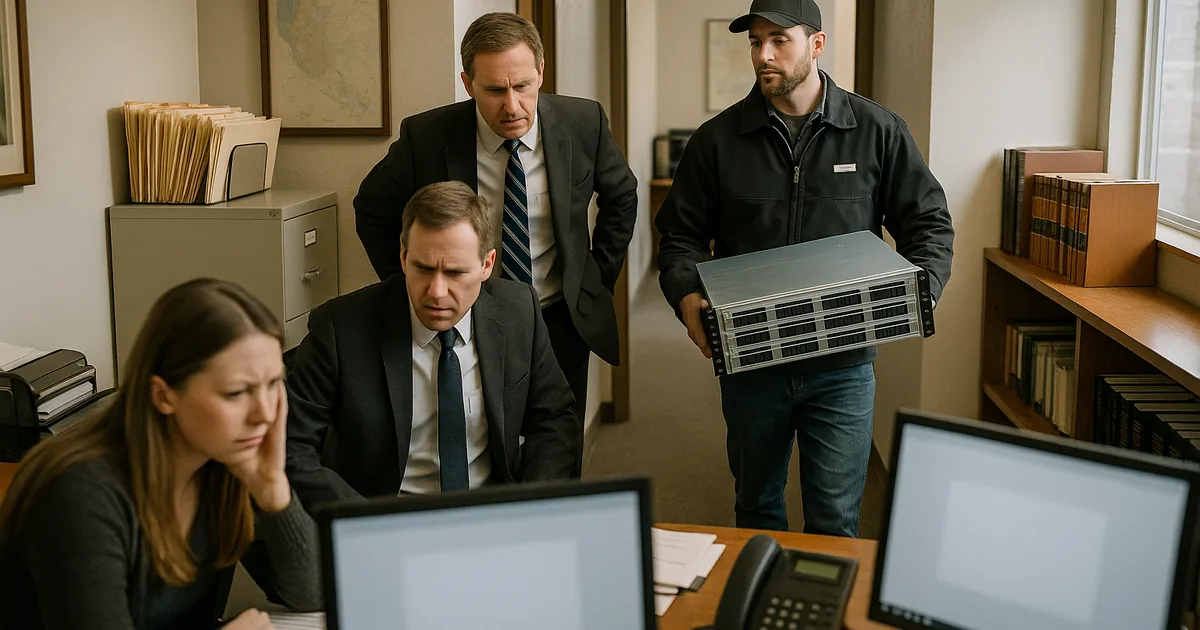
Why Law Firm Systems Go Down When IT Becomes a Surprise Expense
For most law firms, systems do not fail because of one dramatic event. They fail because budgeting stays reactive for too long. A server replacement gets pushed another year. A line-of-business application remains on unsupported hardware. Backup storage is expanded informally instead of redesigned. Then one ordinary outage, patch issue, or hardware fault turns into a business interruption. That is the core financial roadmap problem: IT spending is treated as an interruption to the budget instead of a planned control against downtime, missed deadlines, and recovery cost.
We see this pattern across Northern Nevada firms with small internal teams or no vCIO oversight. In legal environments, the impact is sharper because document access, time entry, email continuity, and secure client communications all depend on stable infrastructure. When firms rely on aging systems without a replacement schedule, even a short outage can disrupt intake, delay filings, and create avoidable compliance pressure. That is why many firms move toward managed IT support plans in Northern Nevada that tie lifecycle planning, monitoring, and budgeting together instead of handling each issue as a separate emergency. In cases like Eddie’s, the visible outage is only the final symptom of a longer planning gap.
- Aging infrastructure: Deferred refresh cycles increase the chance of storage faults, failed updates, and unsupported operating systems remaining in production longer than they should.
- Unplanned capital spend: When replacement decisions happen only after failure, firms pay premium recovery costs and absorb staff downtime at the same time.
- Legal workflow dependency: Case files, billing systems, email, and scanning workflows are tightly connected, so one weak point can stall multiple departments.
- Limited strategic oversight: Without a financial roadmap tied to business risk, upgrades are often approved too late and only after performance has already degraded.
What Remediation Looks Like in Practice
The fix is not simply replacing one failed device. A sound remediation plan starts with identifying which systems are business-critical, what their recovery targets should be, and which upgrades need to be scheduled before they become urgent. For a law firm, that usually means reviewing server age, storage health, backup integrity, line-of-business application dependencies, Microsoft 365 controls, and internet failover options. It also means assigning budget timing to those items so leadership can make decisions before an outage forces them.
From there, we typically build a phased roadmap: stabilize the immediate risk, validate recovery, and then align future spending with operational exposure. Firms that handle client records, trust-related data, or regulated information also need compliance-focused IT management so security controls are not separated from budgeting decisions. A practical reference point is the CISA ransomware resilience guidance , which reinforces the same fundamentals we apply in the field: tested backups, access control, patch discipline, and documented recovery procedures.
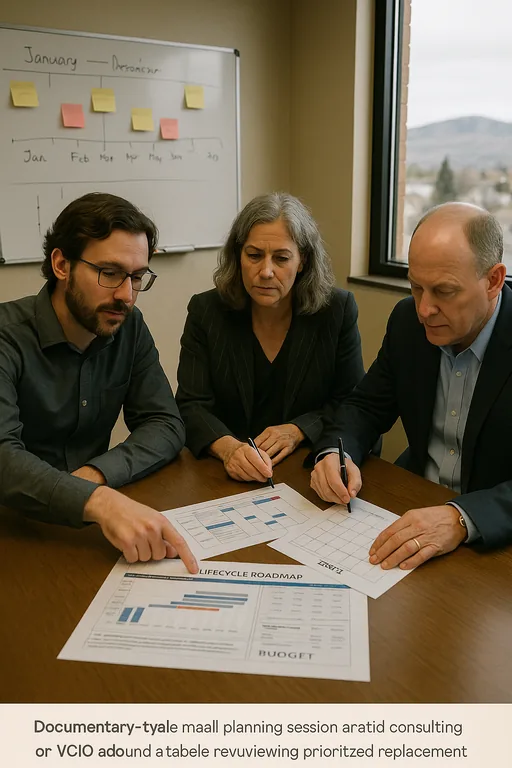
- Lifecycle planning: Build a 12- to 36-month replacement schedule for servers, firewalls, switches, storage, and workstations tied to business impact.
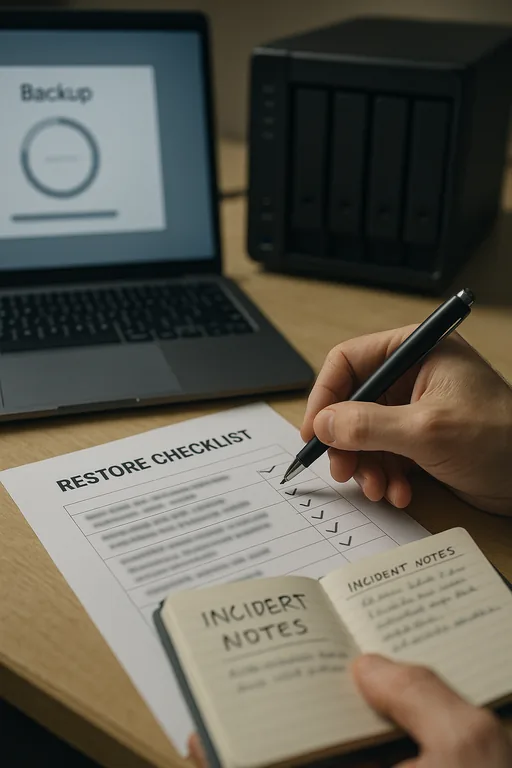
- Backup validation: Test restores regularly, confirm retention windows, and verify that legal document repositories can be recovered within acceptable timeframes.
- MFA and access hardening: Reduce exposure around email, remote access, and privileged accounts so a hardware issue does not combine with a security incident.
- Alerting and monitoring: Track storage degradation, failed backups, capacity thresholds, and patch exceptions before they become visible outages.
Field Evidence: From Deferred Upgrades to Predictable Recovery
In one Northern Nevada legal office corridor serving Reno and Sparks, the environment started with an aging on-premise server, inconsistent backup verification, and no documented replacement calendar. Performance complaints had been dismissed as normal slowdown, but the real issue was that storage capacity and hardware age had already crossed a practical risk threshold. After remediation, the firm moved to a scheduled refresh plan, documented recovery priorities by application, and added quarterly review checkpoints so leadership could see upcoming costs before they became emergencies.
The before-and-after difference was operational, not cosmetic. Instead of reacting to outages, the firm had a defined sequence for replacement, backup testing, and security review. That same process also supported later risk assessments and security readiness work, which helped identify where downtime risk and security risk overlapped. In Northern Nevada, where multi-office coordination and provider handoffs can slow response if planning is weak, that structure matters.
- Result: Recovery testing time dropped from an unverified process to a documented restore window under 2 hours for core file access, while unplanned infrastructure spending was reduced by shifting major upgrades into a scheduled annual roadmap.
Financial Roadmap Controls for Law Firm IT
Scott Morris is an experienced IT and cybersecurity professional with 16 years of hands-on experience in managed technology services. He specializes in Managed It Support Plans and has spent his career building practical recovery, security, and operational continuity processes for businesses across Northern Nevada and Northern Nevada.

About the Author: Scott Morris
Local Support in Northern Nevada
Reno Computer Services supports firms across Reno, Sparks, Carson City, and surrounding Northern Nevada business corridors. For offices near Industrial Way in Sparks, response planning is not just about distance. It is about knowing which systems must be restored first, how remote remediation is staged, and when onsite work is necessary to keep legal operations moving.
Financial Roadmaps Reduce Downtime Before It Starts
When a law firm treats IT as a series of isolated purchases, downtime becomes more likely and recovery becomes more expensive. The better approach is to connect infrastructure age, security controls, backup validation, and replacement timing into one operating plan. That is what turns IT from a surprise expense into a managed business function.
For Northern Nevada firms, the practical takeaway is straightforward: if systems are slowing down, upgrades keep getting deferred, or recovery confidence is low, the problem is already financial as much as technical. A roadmap built around risk, not guesswork, usually prevents the next outage from becoming a larger operational event.