Reno Encrypt Fail
What looks like a one-off issue is often tied to legacy tools. In manufacturing plant environments, legacy systems, patchwork fixes, and hard-to-adopt tools can turn into efficiency, visibility, and growth long before anyone notices the warning signs. Closing those gaps early makes security monitoring and response far more resilient.
This case study reflects real breakdown patterns documented across 300+ regional IT incidents. Names and identifying details have been modified for confidentiality, while technical and financial data remain accurate to the original events.
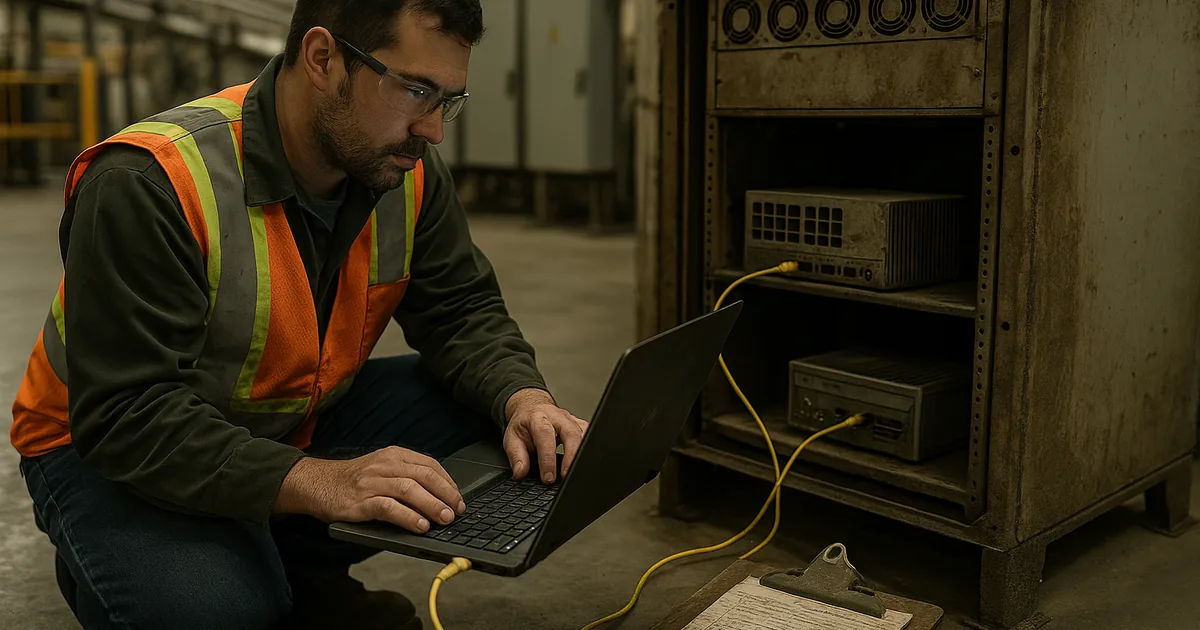
Why Encrypted Files in a Washoe County Plant Usually Point to a Bigger Legacy Problem
When files are suddenly encrypted in a manufacturing environment, the immediate concern is recovery, but the larger issue is usually architectural. We often find an innovation wall behind the incident: aging servers, unsupported operating systems, flat networks, shared admin credentials, and line-of-business tools that no longer fit modern security controls. In Washoe County plants, that problem is amplified when production depends on equipment that was never designed to integrate cleanly with current cloud platforms, AI-assisted workflows, or modern endpoint protection.
The result is not just a ransomware symptom. It is an operational gap where visibility breaks down. A plant may still be relying on a 2019-era server, an old Windows image on a shop-floor PC, or a file share that everyone can access because changing permissions feels too disruptive. That is how one compromised account or one exposed endpoint can move laterally and encrypt engineering files, purchasing records, or production schedules. Businesses trying to reduce that exposure typically need security monitoring and response in Northern Nevada that can detect unusual file activity, privilege misuse, and endpoint behavior before the outage spreads.
- Legacy platform mismatch: Older hardware and software often cannot support current EDR agents, modern authentication controls, or cloud-native logging, which leaves blind spots during an active encryption event.
- Flat network design: When office systems, file servers, and production-adjacent devices share broad access paths, a single infected endpoint can reach far more data than it should.
- Patchwork administration: Temporary fixes, inherited credentials, and undocumented exceptions make containment slower and increase the chance of repeat incidents.
- Operational consequence: In a plant setting, encrypted files do not just affect IT. They delay purchasing, interrupt quality documentation, slow shipping, and create manual workarounds that increase error rates.
Practical Remediation That Reduces Repeat Encryption Events
The right response is not only to restore files. It is to remove the conditions that allowed the encryption event to move through the environment. In manufacturing, that usually means separating production-adjacent systems from general office traffic, tightening identity controls, validating backups against real recovery objectives, and replacing unsupported infrastructure in stages rather than waiting for a full refresh that never gets approved.
We typically start by mapping trust relationships: who can access what, which systems still require legacy protocols, and where file shares are overexposed. From there, structured network infrastructure management for multi-site operations helps enforce segmentation, improve switch and firewall policy consistency, and reduce unnecessary east-west traffic. For security baselines and ransomware resilience, CISA’s guidance on ransomware prevention and response remains practical and worth aligning to.
- Segmentation: Separate file servers, office users, and production-support systems with VLANs and firewall rules so one compromised endpoint cannot freely traverse the environment.
- MFA hardening: Require multifactor authentication for remote access, admin accounts, and cloud-connected services, especially where older VPN or RDP workflows still exist.
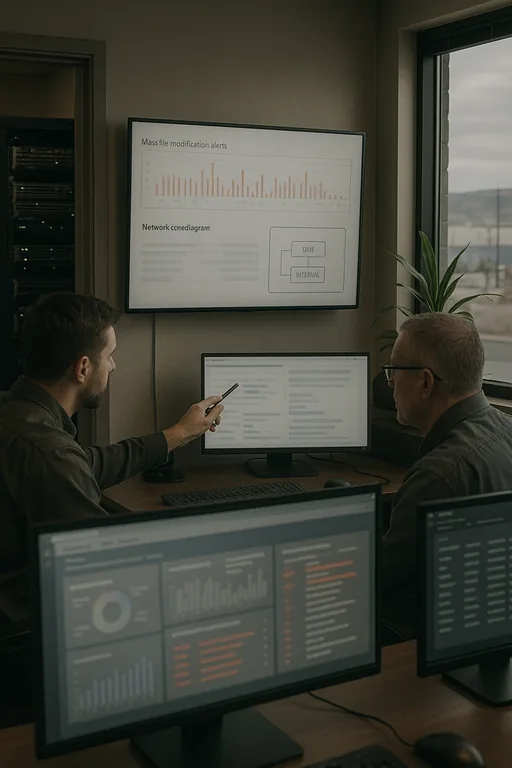
- EDR and alerting: Deploy endpoint detection with behavioral rules for mass file modification, suspicious PowerShell use, and credential abuse.
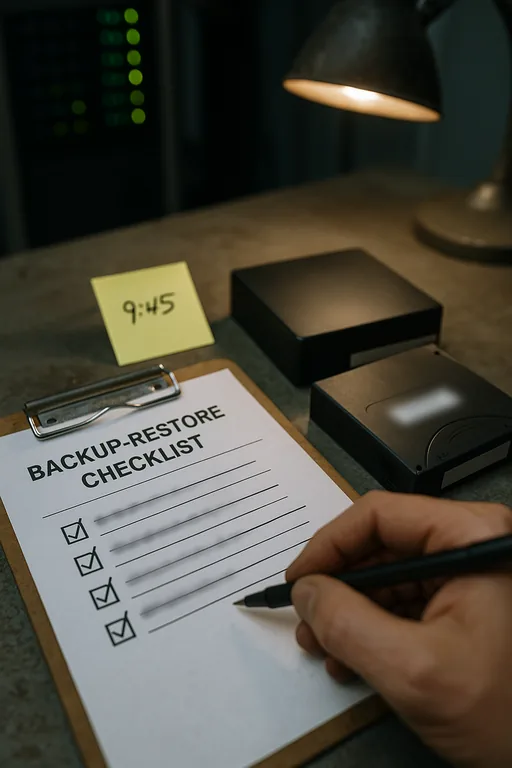
- Backup validation: Test restore points regularly, confirm immutable or isolated copies exist, and verify that critical file shares can be recovered within plant operating timelines.
- Legacy retirement plan: Replace unsupported servers and bridge systems in phases, prioritizing the systems that hold shared files, authentication roles, or production documentation.
Field Evidence: From Shared-Drive Exposure to Controlled Recovery
We worked through a similar pattern for a Northern Nevada operation running between warehouse and plant functions along the Reno-Sparks corridor. Before remediation, the environment had broad file-share permissions, inconsistent backup reporting, and an older server that could not support current security tooling without performance issues. After a staged cleanup, the business moved critical shares to a better-controlled server stack, reduced admin exposure, and documented recovery priorities by department.
That change mattered because the next suspicious encryption attempt was contained to a single endpoint instead of spreading across departments. In the earlier state, the same event likely would have disrupted production support and back-office coordination for most of the day. With server and hybrid infrastructure management in place, the business had cleaner logging, faster isolation, and a more realistic path to modernization without forcing every legacy process to change at once. That is the difference between reacting to symptoms and removing the conditions that trapped Carla’s team in manual recovery mode.
- Result: File recovery time dropped from an estimated full-day interruption to under 90 minutes for priority shares, while lateral spread risk was materially reduced through segmentation and access cleanup.
Reference Points for Manufacturing Encryption Risk
Scott Morris is an experienced IT and cybersecurity professional with 16 years of hands-on experience in managed technology services. He specializes in Security Monitoring And Response and has spent his career building practical recovery, security, and operational continuity processes for businesses across Washoe County and Northern Nevada.

About the Author: Scott Morris
Local Support in Washoe County
From Reno into Sparks and surrounding industrial corridors, local response matters when encrypted files affect production support, shared data, or plant scheduling. Reno Computer Services operates from downtown Reno and can support businesses across Washoe County with practical onsite and remote coordination when legacy infrastructure starts creating security and recovery problems.
Closing the Innovation Wall Before the Next Encryption Event
Encrypted files in a Washoe County manufacturing plant are rarely just a bad day on one workstation. More often, they expose a stack that has been held together by exceptions: older servers, broad access, limited logging, and tools that no longer support the way the business needs to operate. That is the innovation wall. It slows modernization first, then eventually shows up as downtime, recovery cost, and avoidable operational disruption.
The practical takeaway is straightforward. Restore what you can, but do not stop there. Review segmentation, identity controls, backup recovery performance, and the legacy systems that are preventing better visibility. Plants that address those issues early are in a much better position to contain incidents, protect production support data, and keep growth from being limited by outdated infrastructure.