
Reno Dental Login Failures
This kind of issue rarely appears all at once. For dental offices in Northern Nevada, it usually builds through poor safeguards, inconsistent records handling, and a slow response and then surfaces as login failures, slower recovery, or higher exposure. A more reliable setup starts with documenting safeguards, tightening response steps, and protecting sensitive data.
This case study reflects real breakdown patterns documented across 300+ regional IT incidents. Names and identifying details have been modified for confidentiality, while technical and financial data remain accurate to the original events.
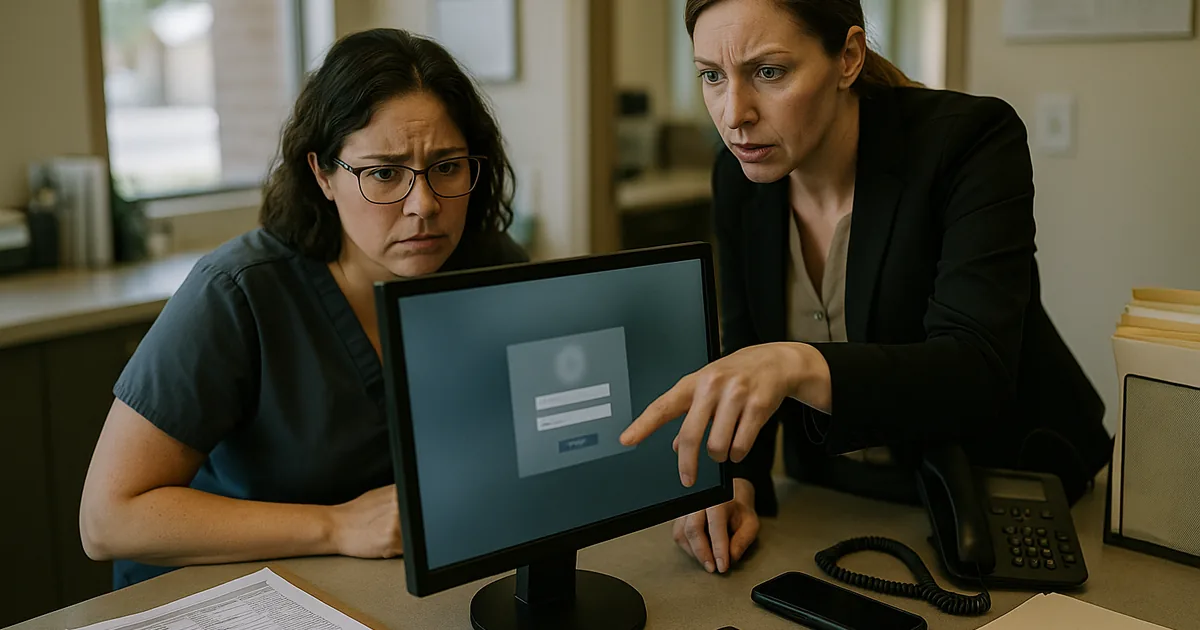
Why Login Failures Become Legal Liability in Dental Offices
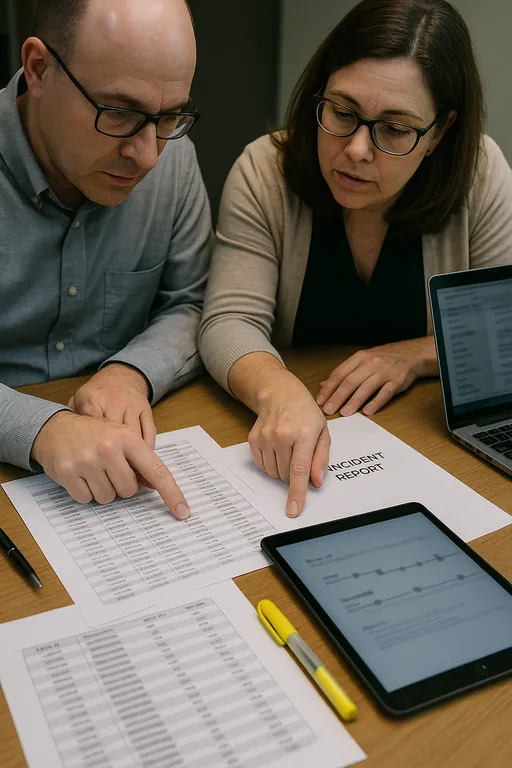
A login failure in a dental office is rarely just a password issue. In most cases, it is the visible symptom of a deeper control problem involving identity management, record access, audit gaps, and weak response procedures. For practices in Reno, Sparks, Carson City, and the surrounding Northern Nevada area, that matters because patient scheduling, imaging access, treatment notes, insurance verification, and billing all depend on consistent access to protected data. When staff cannot log in, the business impact is immediate. When no one can explain why access failed or who touched the records last, the legal and compliance exposure starts to grow.
The legal liability issue is straightforward: if client or patient data is lost, exposed, or mishandled, “I didn’t know” is not a defense that carries much weight in a Reno court or in a regulatory review. We typically find that offices with recurring access problems also have weak documentation around onboarding, offboarding, password resets, shared workstations, and emergency access. That is why many practices move toward Northern Nevada cybersecurity support that ties login security to documented policy, monitoring, and incident response instead of treating each lockout as a one-off help desk event. In cases like Iris’s, the real failure is not only that access stopped. It is that the office cannot prove its safeguards were reasonable before the disruption occurred.
- Identity and access control: Shared credentials, inconsistent MFA use, and undocumented privilege changes make it difficult to determine whether a login failure is a routine lockout, unauthorized access attempt, or evidence of broader control weakness.
- Records handling: When patient files are stored across practice software, local workstations, imaging systems, and cloud portals, poor documentation creates gaps in who accessed what and when.
- Operational dependency: Dental offices rely on front-desk continuity for check-in, treatment coordination, and claims flow, so even a short authentication outage can affect the full day’s production.
- Legal exposure: If an office cannot show reasonable safeguards, timely response, and preserved logs, a login incident can expand into reporting obligations, dispute risk, and avoidable liability.
Practical Remediation for Access, Documentation, and Recovery
The fix starts with separating the technical event from the governance failure. First, restore access safely by validating account status, reviewing sign-in logs, checking endpoint health, and confirming whether the issue originated from directory sync, local credential caching, MFA failure, or suspicious activity. Then address the control gaps that allowed the office to operate without clear accountability. For dental environments, that usually means named user accounts only, enforced multifactor authentication where supported, documented reset procedures, role-based permissions, and preserved audit logs tied to patient data systems.
We also recommend strengthening the underlying environment through improve network reliability measures such as monitored line-of-business servers, backup validation, endpoint alerting, and tested failover for critical internet and authentication dependencies. Where compliance and breach-response questions exist, leadership should review guidance from HHS HIPAA Security Rule guidance to align technical controls with documented administrative safeguards. The goal is not only to get staff back in. It is to make sure the next login failure does not become a legal argument about negligence.
- Access hardening: Replace shared accounts with individual credentials, require MFA where the application stack supports it, and review failed sign-in patterns weekly.
- Audit retention: Preserve authentication logs, endpoint alerts, and administrative changes long enough to support investigation and reporting.
- Backup validation: Test restoration of patient schedules, billing data, and document repositories instead of assuming backups are usable.
- Response workflow: Create a written escalation path for front-desk lockouts, suspected compromise, and after-hours access failures so staff know what to do in sequence.
Field Evidence: From Front-Desk Lockouts to Documented Control
We have seen this pattern in dental and healthcare-adjacent offices along the Reno airport corridor and in multi-site practices serving both Reno and Sparks. Before remediation, the office typically depends on a few long-standing staff members who know the workarounds, but there is little formal documentation behind account access, reset authority, or audit review. That creates a fragile environment where one failed login can delay check-in, stall treatment rooms, and interrupt claims processing for the rest of the day.
After standardizing identity controls, documenting incident steps, and aligning leadership oversight through compliance-focused IT management , the office moves from reactive recovery to accountable operations. In one representative case, the practice reduced unresolved access incidents from multiple events per quarter to a single documented exception over six months, while restoring failed-user access in under 20 minutes and preserving the logs needed for internal review.
- Result: Faster recovery, clearer audit evidence, fewer scheduling disruptions, and a lower chance that an access issue turns into a reportable legal problem.
Dental Office Login Risk and Control Reference
Scott Morris is an experienced IT and cybersecurity professional with 16 years of hands-on experience in managed technology services. He specializes in Managed Cybersecurity Programs and has spent his career building practical recovery, security, and operational continuity processes for businesses across Northern Nevada and Northern Nevada.

About the Author: Scott Morris
Local Support in Northern Nevada
Reno Computer Services is positioned to support dental and professional offices across Reno, Sparks, and nearby business corridors with practical response planning, access control review, and recovery support. The route from our Ryland Street office to the Terminal Way area is typically about 10 minutes, which matters when a front-desk authentication issue is disrupting patient flow and billing operations.
Operational Takeaway for Northern Nevada Dental Practices
When a dental office experiences repeated login failures, the real issue is usually broader than authentication. Weak safeguards, inconsistent records handling, and poor response discipline create a chain of risk that affects patient flow, billing continuity, and legal defensibility. The earlier those gaps are documented and corrected, the less likely a routine access problem becomes a reportable incident or a dispute over whether reasonable protections were in place.
For Northern Nevada practices, the practical path is clear: tighten identity controls, preserve audit evidence, validate recovery, and make sure leadership understands where technical risk becomes legal exposure. That approach reduces downtime and gives the office a stronger position if questions arise from patients, insurers, or regulators.