Reno Data Breach
What looks like a one-off issue is often tied to untested backups. In construction firm environments, failed restore tests, missing dependencies, and an unclear recovery order can turn into recovery time, data availability, and business continuity long before anyone notices the warning signs. Closing those gaps early makes backup and recovery programs far more resilient.
This case study reflects real breakdown patterns documented across 300+ regional IT incidents. Names and identifying details have been modified for confidentiality, while technical and financial data remain accurate to the original events.
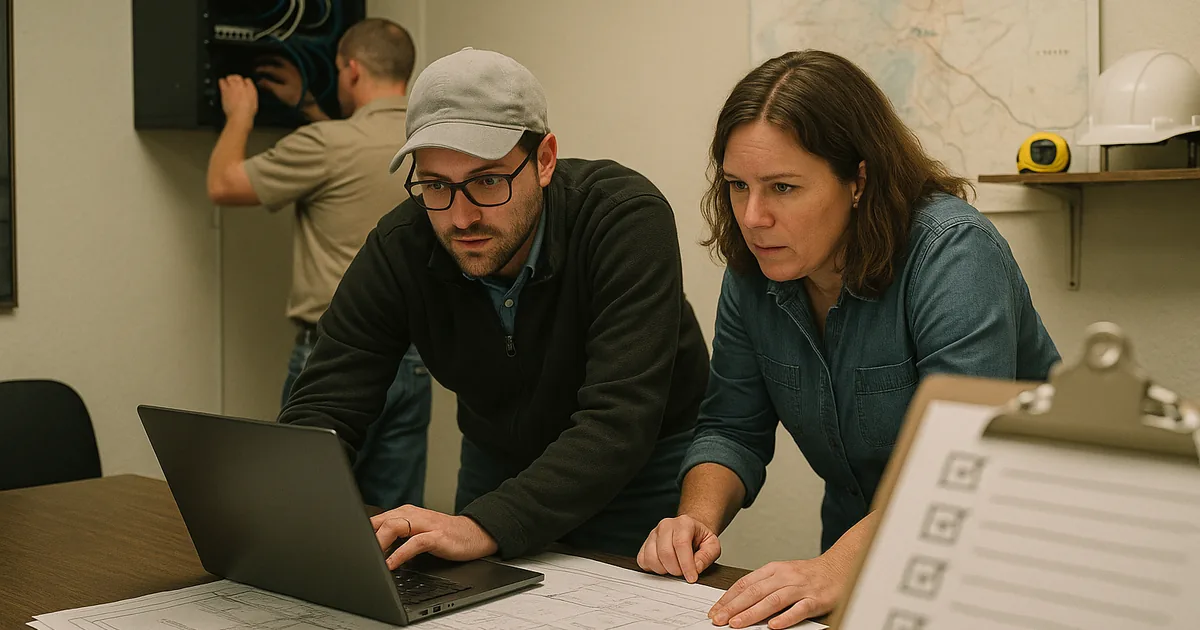
Why a Resilience Test Failure Turns a Breach Into a Business Continuity Problem
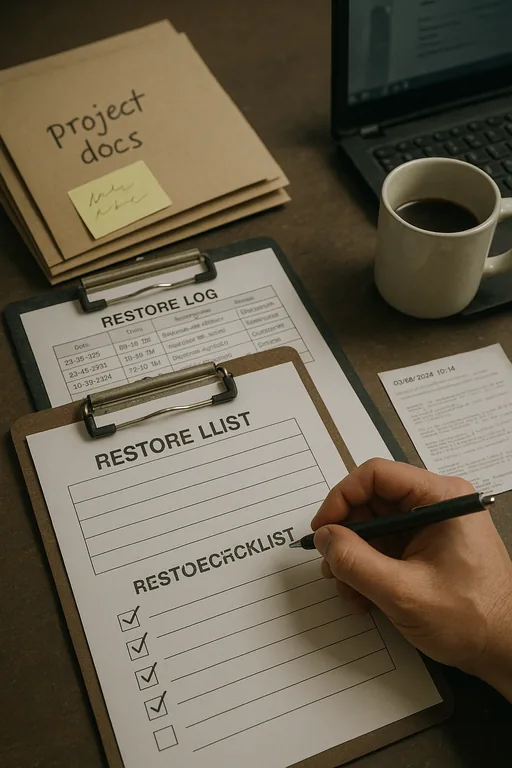
A data breach at a construction firm in Washoe County is rarely just a security event. In practice, it becomes a resilience test. If backups exist but have not been restored under real conditions, the business does not actually know whether it can recover estimating files, accounting data, project documentation, email, and line-of-business applications in the right order. That is where many firms get exposed. A backup is only a copy. Business continuity is the ability to keep operating while systems are damaged, isolated, or unavailable.
We see this often in construction environments where file shares, cloud apps, local servers, and specialty software all depend on each other. A breach may trigger account lockouts, endpoint isolation, or server shutdowns before anyone confirms whether the restore point is usable. In a local market like Reno and Washoe County, where project deadlines, subcontractor coordination, and billing cycles move quickly, weak recovery planning can create more damage than the original event. Firms trying to prevent downtime with backup and recovery programs in Northern Nevada need restore testing that proves data integrity, application dependencies, and recovery sequence, not just successful backup jobs on a dashboard.
The resilience test fails when the organization cannot answer basic operational questions fast enough: Which systems come back first, who approves the cutover, where are credentials stored, and what dependencies must be rebuilt before users can work? In incidents like the one Erin faced, the missing piece is usually not storage capacity. It is the absence of a tested recovery plan tied to how the business actually runs.
- Restore validation: Backup jobs may report success while restored files are incomplete, corrupted, or missing permissions needed for estimating, accounting, and project management workflows.
- Dependency mapping: Construction software often relies on shared drives, SQL services, licensing servers, and identity systems that must be recovered in a specific order.
- Recovery time assumptions: Leadership may expect a same-day return to work without measuring how long full server, application, and endpoint restoration actually takes.
- Access control disruption: During breach containment, password resets, MFA changes, and endpoint isolation can block legitimate users even when backup data still exists.
How to Fix the Gaps Before the Next Outage or Breach
The practical fix is to move from backup ownership to recovery discipline. That means testing restores on a schedule, documenting the recovery order, validating application dependencies, and assigning decision-makers before an incident occurs. For construction firms, this should include project file repositories, accounting systems, email, cloud storage, and any field-access workflows used by supervisors and estimators. A structured review through technology advisory and assessment for Washoe County operations usually identifies where the recovery plan breaks down under real pressure.
Technical controls matter, but they have to be tied to operations. We typically recommend immutable backup copies, MFA hardening for backup administration, segmented backup networks, and routine restore drills that include both server recovery and user acceptance testing. The CISA ransomware resilience guidance is useful here because it emphasizes offline backups, restoration testing, and incident response coordination rather than assuming that backup software alone solves the problem.
- Restore testing cadence: Run quarterly recovery tests against production-like systems and verify permissions, file integrity, and application startup.
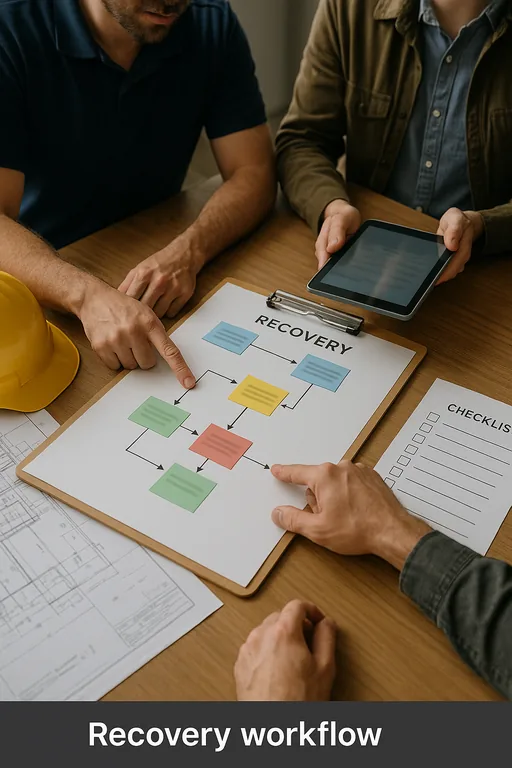
- Recovery order documentation: Define which systems return first, such as identity, storage, accounting, estimating, and communication tools.
- Immutable backup controls: Protect backup repositories from deletion or encryption by compromised admin accounts.
- MFA and privileged access review: Harden backup consoles, remote access tools, and administrative accounts used during recovery.
- Business continuity planning: Use IT strategy engagements for multi-site business continuity to align recovery targets with payroll, billing, field coordination, and contractual deadlines.
Field Evidence: The Resilience Test in a Real Construction Workflow
In one Northern Nevada case, a contractor operating between Reno and Sparks believed its nightly backups were sufficient until a security event forced isolation of several endpoints and a file server. Before remediation, the team had no documented recovery order, no verified restore timing, and no confirmation that project folders would retain the permissions needed by accounting, project managers, and estimators. The first restore attempt brought data back, but users still could not work because mapped drives, licensing dependencies, and access groups were incomplete.
After a structured recovery review, the firm rebuilt its process around tested restore points, dependency mapping, and role-based recovery checklists. The next drill restored core file access, accounting, and project documentation in a controlled sequence, with office staff validating usability before production cutover. That changed recovery from guesswork into an operational procedure that could hold up during smoke season disruptions, regional power issues, or a real security incident.
- Result: Verified recovery time for core business systems dropped from an estimated 10 to 12 hours to 2 hours and 40 minutes, with successful user validation before full return to service.
Backup Resilience Control Reference for Construction Firms
Scott Morris is an experienced IT and cybersecurity professional with 16 years of hands-on experience in managed technology services. He specializes in Backup And Recovery Programs and has spent his career building practical recovery, security, and operational continuity processes for businesses across Washoe County and Northern Nevada.

About the Author: Scott Morris
Local Support in Washoe County
Reno Computer Services supports businesses across Reno, Sparks, and the broader Washoe County area, including South Meadows corridors where construction, logistics, and office operations depend on reliable access to project data and accounting systems. The route below reflects the local service reality for organizations working near Prototype Drive, where a short drive can still turn into a long outage if backup recovery has not been tested in advance.
The Real Takeaway From a Backup Resilience Failure
For construction firms in Washoe County, a breach exposes more than security weaknesses. It shows whether the business can actually recover under pressure. If backups have not been tested with real permissions, application dependencies, and a documented recovery order, the organization is relying on assumptions instead of resilience.
The practical standard is straightforward: verify that critical systems can be restored, prove the recovery sequence, and align technical controls with billing, scheduling, and field operations. That is what keeps a one-system incident from becoming a full business interruption.