Reno Data Breach
Problems like this tend to stay hidden until something important breaks. For construction firms in South Meadows, that often means a data breach, avoidable delays, or a bigger recovery burden than expected. The best response is reviewing controls, access, and recovery steps before they are tested under pressure.
This case study reflects real breakdown patterns documented across 300+ regional IT incidents. Names and identifying details have been modified for confidentiality, while technical and financial data remain accurate to the original events.
Where the Compliance Gap Turns Into a Breach
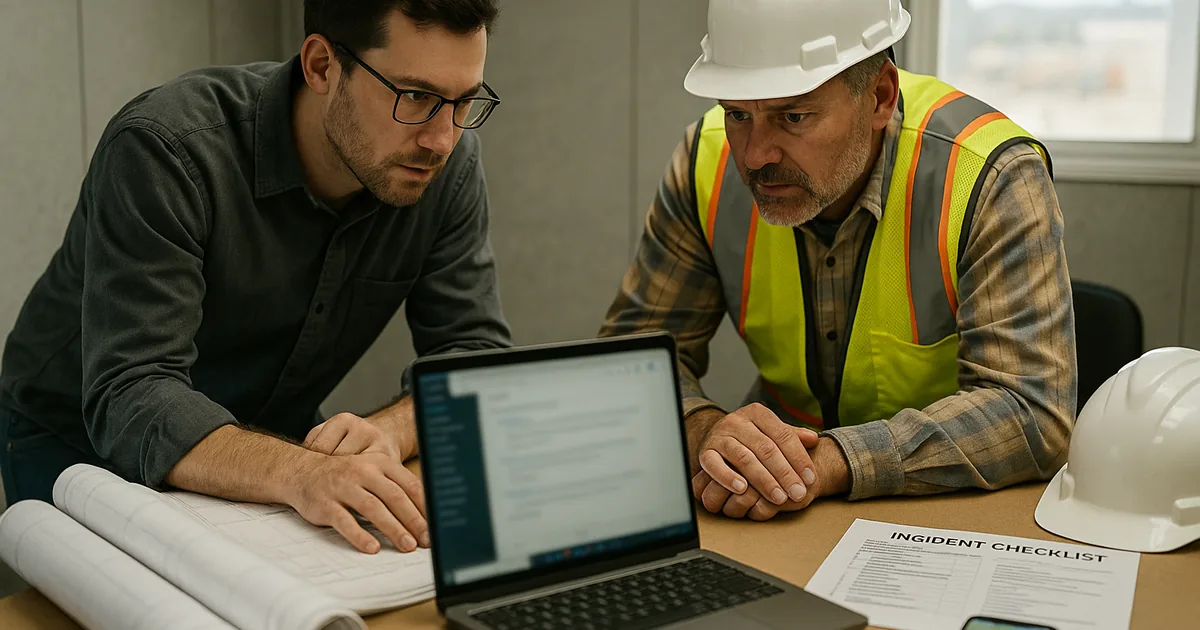
A compliance gap becomes a breach risk when a business cannot prove who should have access, what systems hold regulated data, and whether recovery steps have actually been tested. In construction firms around South Meadows, that often shows up in shared folders holding contracts, payroll details, subcontractor insurance records, and project correspondence spread across laptops, cloud storage, and field devices. When regulations such as CMMC or HIPAA affect even part of the operation, undocumented exceptions create exposure long before anyone notices suspicious activity.
We typically find that the technical failure is not one dramatic event. It is a stack of smaller misses: stale user accounts, weak role separation, inconsistent endpoint controls, and policy documents that no longer match the live environment. That is why firms relying on managed IT support plans in Reno tend to stabilize faster when they treat compliance as an operational discipline instead of a yearly paperwork exercise. In cases like Tommy’s, the breach path usually starts with ordinary access that was never reviewed after staffing, project, or vendor changes.
- Access governance: Construction teams often add estimators, project managers, accounting staff, and outside partners quickly, but offboarding and permission reviews lag behind active job demands.
- Documentation drift: Written controls may reference old systems, retired vendors, or incomplete backup procedures, leaving the business unable to respond cleanly during an incident.
- Distributed operations: South Meadows offices, job trailers, and remote users create multiple points where file sync, VPN use, and identity controls can fall out of alignment.
- Regulatory overlap: A firm may not consider itself highly regulated, yet employee health data, federal project requirements, or subcontractor records can still trigger compliance obligations.
Practical Remediation for Construction Operations
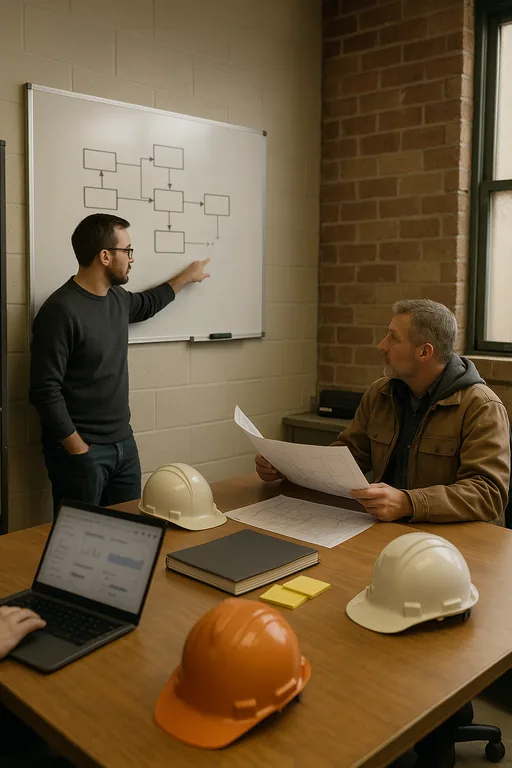
The fix starts with narrowing the gap between policy and the real environment. That means inventorying systems that store sensitive data, validating who has access, enforcing multifactor authentication, and reviewing whether backups can restore the specific files and systems the business depends on. For firms with active projects, we also recommend separating accounting, project management, and general file storage so one compromised account does not expose everything at once.
From there, the work becomes procedural and technical at the same time. We usually pair documented control reviews with cybersecurity services in Washoe County that include endpoint monitoring, alerting, and incident response readiness. For a practical baseline on reducing breach exposure and improving response planning, the CISA ransomware and resilience guidance is useful because it focuses on access control, backups, and recovery discipline rather than theory.
- Identity review: Audit all user accounts, remove stale access, and align permissions to job roles instead of convenience.
- MFA hardening: Require multifactor authentication for email, cloud storage, VPN, and administrative access.
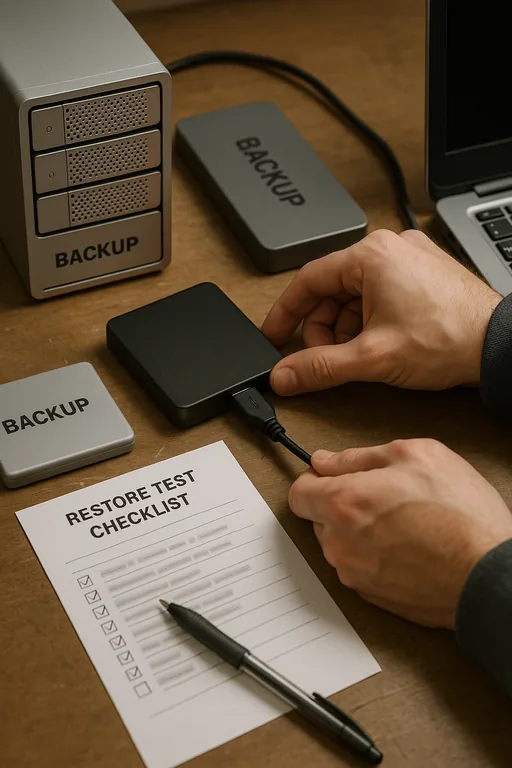
- Backup validation: Test restores for project files, accounting data, and line-of-business systems on a scheduled basis.
- Endpoint control: Standardize device protection, patching, and isolation policies across office and field laptops.
- Policy alignment: Update written procedures so they match actual vendors, systems, retention rules, and escalation steps.
Field Evidence: South Reno Construction Workflow Recovery
We have seen this pattern in firms operating between South Meadows, Sparks, and industrial corridors where project teams move quickly and documentation falls behind. Before remediation, one contractor had no reliable way to confirm which shared folders contained regulated records, which former users still had cloud access, or whether backup retention matched contract requirements. A single suspicious login forced accounting and operations to stop normal work while permissions were checked manually.
After access cleanup, documented control mapping, and endpoint and threat protection for multi-location operations , the same business moved from reactive investigation to controlled response. Instead of broad shutdowns, they could isolate affected devices, verify backup integrity, and keep project scheduling active even during review. That matters in Northern Nevada, where crews, suppliers, and office staff often depend on same-day coordination across Reno and Sparks.
- Result: Permission review time dropped from most of a workday to under 90 minutes, backup verification became routine, and invoice processing resumed without a full-office stoppage.
Compliance Gap Control Reference for Construction Firms
Scott Morris is an experienced IT and cybersecurity professional with 16 years of hands-on experience in managed technology services. He specializes in Managed It Support Plans and has spent his career building practical recovery, security, and operational continuity processes for businesses across South Meadows, Reno, Sparks, and Northern Nevada and Northern Nevada.

About the Author: Scott Morris
Local Support in South Meadows, Reno, Sparks, and Northern Nevada
Construction firms in South Meadows often depend on fast coordination between office staff, field teams, vendors, and accounting. From our Reno office, support routes into Sparks and nearby business corridors are straightforward, which helps when an access review, device issue, or breach response needs both remote and on-site follow-through. The route shown below reflects the practical local service footprint many Northern Nevada businesses work within every day.
Closing the Gap Before It Becomes an Incident
The main issue in a compliance-gap breach is rarely a lack of technology alone. It is the mismatch between documented controls and the way the business actually operates day to day. For construction firms in South Meadows, that mismatch can interrupt billing, expose sensitive records, and force project teams into manual workarounds at the worst possible time.
A practical response is to review access, validate backups, tighten endpoint controls, and keep compliance documentation aligned with live systems. When those pieces are maintained together, breach response becomes more controlled, downtime is reduced, and the business is not left guessing during an already expensive event.