
Reno Cyber Risk
What looks like a one-off issue is often tied to hidden threats. In manufacturing plant environments, stolen credentials, MFA gaps, and weak monitoring can turn into ransomware, fraud, and data loss long before anyone notices the warning signs. Closing those gaps early makes managed IT services far more resilient.
This case study reflects real breakdown patterns documented across 300+ regional IT incidents. Names and identifying details have been modified for confidentiality, while technical and financial data remain accurate to the original events.
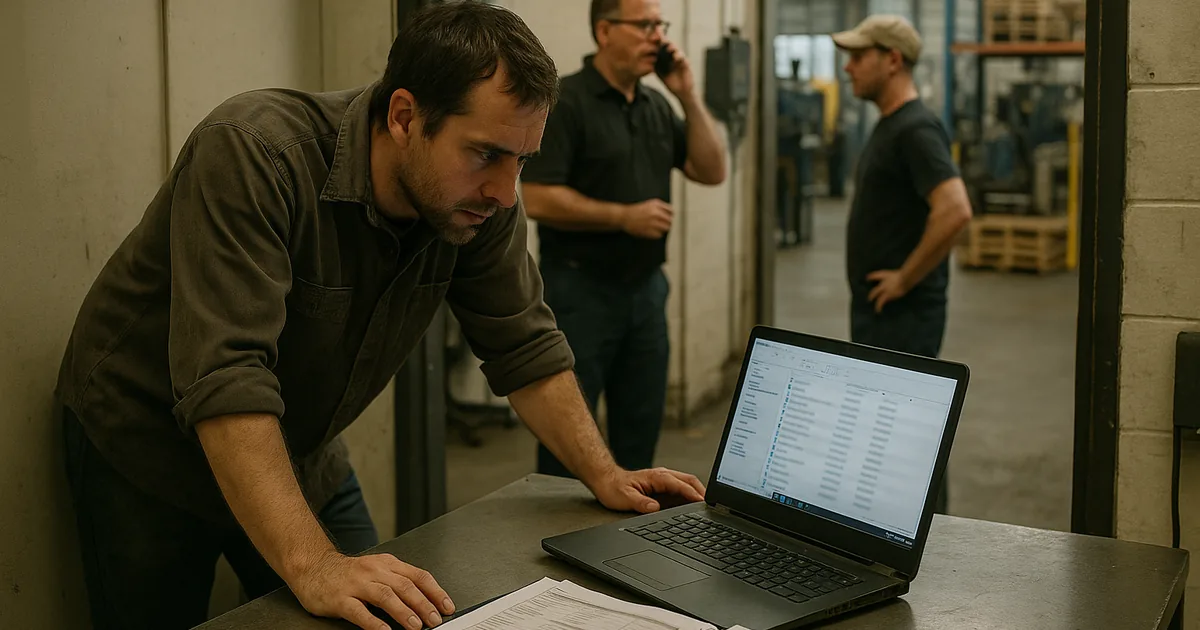
Why Encrypted Files in a Plant Usually Point to a Hidden Identity Problem

When files are suddenly encrypted in a Washoe County manufacturing environment, the visible damage is only part of the event. In many cases, the real failure started earlier with a compromised Microsoft 365 account, a reused password, weak MFA enrollment, or an unmanaged endpoint that gave an attacker a quiet path into the network. Modern attackers often do not force their way through a firewall. They log in with valid credentials, move laterally, and wait until they can hit file shares, ERP folders, and production support systems at the same time.
We see this pattern regularly in plants that depend on shared folders, line-of-business applications, and a mix of office and shop-floor devices. A single stolen login can expose mapped drives, purchasing records, maintenance documents, and vendor communications without triggering obvious alarms. That is why businesses relying on managed IT support in Reno are usually better positioned to catch abnormal sign-in behavior, privilege misuse, and early-stage encryption activity before it spreads. In incidents like the one Jackson faced, the encrypted files were only the symptom; the root cause was a blind spot in identity control and monitoring.
- Credential misuse: Attackers commonly use stolen usernames and passwords to access email, VPN, remote desktop tools, or cloud storage, then pivot into file systems that support production and shipping.
- MFA gaps: Partial MFA deployment, weak push approval habits, or legacy accounts excluded from policy create openings that a plant may not notice until files are locked.
- Limited visibility: If endpoints, domain activity, and cloud sign-ins are not correlated, suspicious behavior can blend into normal shift-based operations.
- Operational consequence: In manufacturing, encrypted files do not just affect office staff. They can delay work orders, quality checks, receiving, dispatch, and billing across multiple teams.
Practical Remediation That Stops the Same Incident from Returning
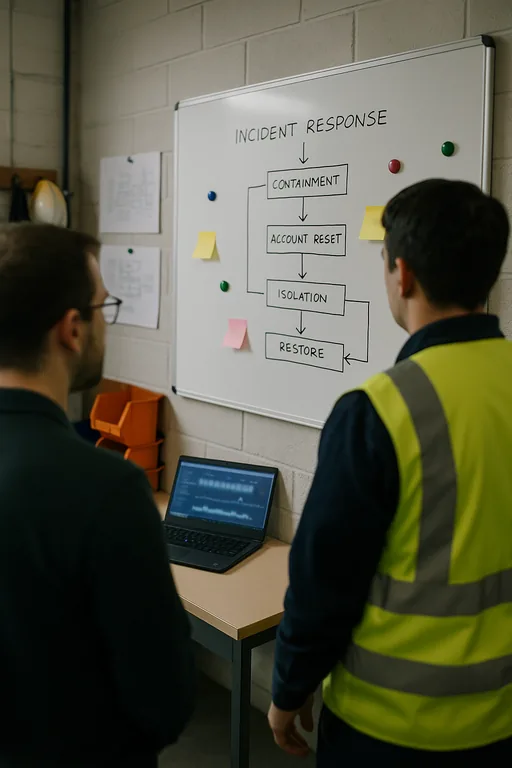
The fix is not just restoring files. The environment has to be hardened so the same access path cannot be reused. That usually means resetting compromised credentials, reviewing conditional access policies, isolating affected endpoints, validating backups, and checking whether the attacker touched email rules, remote access tools, or privileged groups. Plants with mixed office and production networks often also need segmentation review so a compromised user account cannot reach every shared resource by default.
From there, the right next step is structured oversight through cybersecurity services in Washoe County that focus on identity protection, alert tuning, and incident response readiness. Controls should align with practical guidance from CISA’s ransomware resources , especially around MFA enforcement, tested backups, least privilege, and rapid isolation procedures. In manufacturing settings, we also recommend reviewing service accounts, remote vendor access, and any legacy systems that cannot support modern authentication controls.
- Identity hardening: Enforce MFA for all users, remove legacy authentication, and apply conditional access rules for risky sign-ins and impossible travel events.
- Endpoint isolation: Deploy containment-capable security tools so suspicious devices can be cut off from file shares before encryption spreads.
- Backup validation: Test restore points for file servers and critical application data, not just backup job completion status.
- Privilege review: Reduce local admin rights, audit shared folder permissions, and separate standard user activity from elevated administrative work.
Field Evidence: From File Lockout to Controlled Recovery
In one Northern Nevada industrial corridor case, a plant was operating with flat network access, inconsistent MFA enrollment, and no reliable alerting on unusual logins. The first sign of trouble was encrypted engineering and shipping files discovered during a shift handoff. Before remediation, staff were manually recreating paperwork, supervisors were using personal calls and texts to coordinate production changes, and management had no clear timeline for what systems were safe to use.
After containment, the recovery plan focused on account resets, endpoint review, restore validation, and tighter monitoring tied to user behavior. We also added endpoint controls that help secure business systems from ransomware so suspicious encryption patterns and command activity could be stopped earlier. In a region where multi-building facilities and warehouse-to-office coordination are common, that visibility matters because a small identity issue can quickly become a plant-wide interruption.
- Result: File restore confidence improved, unauthorized sign-in noise dropped sharply, and the business reduced recovery time from most of a workday to under two hours for comparable endpoint containment events.
Reference Table: Hidden Threat Controls for Manufacturing Environments
Scott Morris is an experienced IT and cybersecurity professional with 16 years of hands-on experience in managed technology services. He specializes in Managed It Services and has spent his career building practical recovery, security, and operational continuity processes for businesses across Washoe County and Northern Nevada.

About the Author: Scott Morris
Local Support in Washoe County
We support manufacturers and industrial operations across Reno, Sparks, and surrounding Washoe County facilities where downtime affects shipping, production timing, and internal coordination quickly. From our Reno office, the route to the industrial destination in this example is typically about 17 minutes, which matters when file access, endpoint containment, and recovery decisions need to happen without delay.
Closing the Invisible Threat Before It Becomes a Plant-Wide Outage
Encrypted files in a manufacturing plant are rarely just a file problem. More often, they are evidence that an attacker already gained trusted access through a user account, weak authentication path, or poorly monitored endpoint. If the response stops at restoring data, the same weakness usually remains in place.
For Washoe County manufacturers, the practical takeaway is straightforward: harden identity, validate backups, watch for abnormal behavior, and limit how far any one account or device can reach. That approach reduces downtime, protects production support systems, and gives operations teams a clearer recovery path when something does go wrong.