
Reno Construction Cyber Risk
This kind of issue rarely appears all at once. For construction firms in Northern Nevada, it usually builds through surprise spending, delayed upgrades, and aging infrastructure and then surfaces as a data breach, slower recovery, or higher exposure. A more reliable setup starts with planning upgrades deliberately and aligning IT decisions to business risk.
This case study reflects real breakdown patterns documented across 300+ regional IT incidents. Names and identifying details have been modified for confidentiality, while technical and financial data remain accurate to the original events.
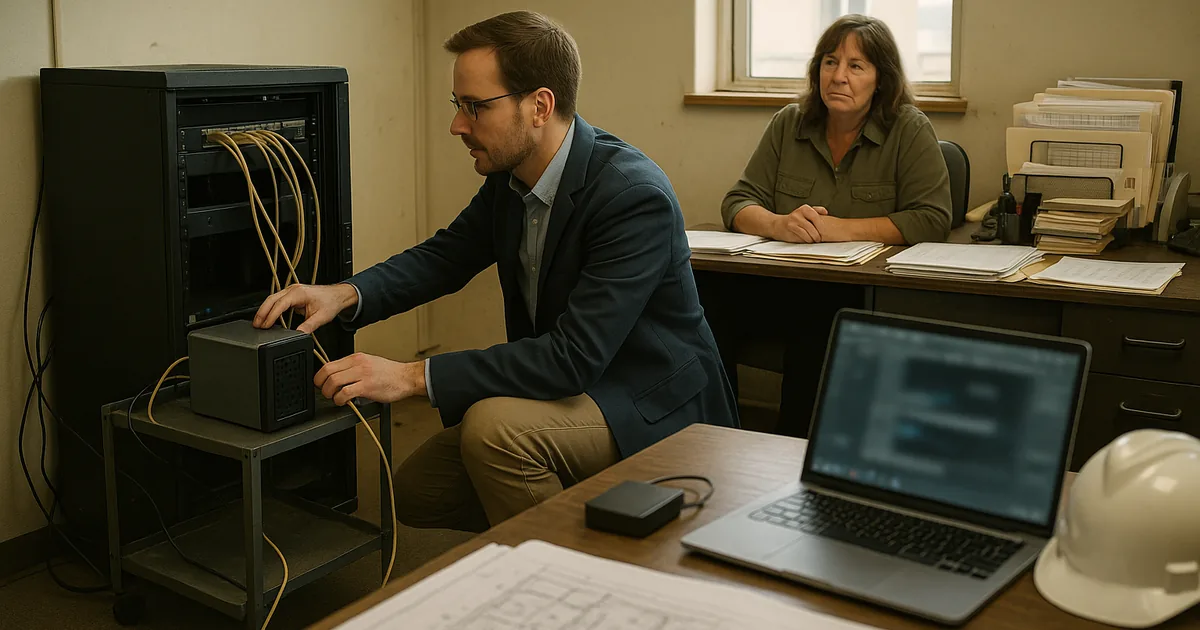
Why the Financial Roadmap Gap Turns Into Breach Exposure
For construction firms in Northern Nevada, a data breach often starts as a budgeting problem long before it becomes a security incident. When IT is treated as a surprise expense instead of a planned operating function, upgrades get pushed out, warranty cycles are ignored, backup storage is undersized, and security controls remain inconsistent between the office, trailers, and remote users. That is the financial roadmap gap: leadership knows systems matter, but there is no structured sequence for what gets replaced, hardened, or tested first.
We typically see this show up in firms managing bids, payroll, CAD files, accounting systems, and project management platforms across Reno, Sparks, Carson City, and surrounding job sites. A firewall may still be running, but endpoint protection is outdated. Microsoft 365 may be in place, but access reviews are informal. File shares may still support operations, but no one has budgeted for segmentation, retention controls, or recovery testing. That is where compliance and risk management in Northern Nevada becomes operational rather than theoretical. In cases like Susan’s, the breach is usually the visible symptom of years of deferred decisions rather than one isolated mistake.
- Deferred lifecycle planning: Servers, switches, and line-of-business systems stay in production beyond their safe support window, increasing the chance of unpatched vulnerabilities and unstable recovery.
- Fragmented access control: Estimators, project managers, accounting staff, and outside partners often retain broader permissions than they need, which expands breach scope once one account is compromised.
- Unbudgeted security controls: MFA, endpoint detection, log retention, and backup validation are postponed because they were never built into a predictable annual roadmap.
- Operational strain across locations: Construction firms often balance office connectivity, cloud apps, mobile devices, and temporary site access, which makes aging infrastructure fail faster under real workload.
How Construction Firms Close the Gap Before the Next Incident
The fix is not just buying new hardware after a breach. It starts with ranking systems by business impact and then building a staged roadmap around risk, compliance, and recovery. For most firms, that means identifying which systems affect payroll, billing, project schedules, contract storage, and field communication first. From there, we map replacement cycles, access controls, monitoring, and backup testing into a budget that leadership can actually manage quarter by quarter.
On the technical side, practical remediation usually includes MFA hardening, endpoint detection and response, administrative privilege review, network segmentation between core office systems and less trusted devices, and documented recovery steps. Firms that have already had one disruption should also formalize disaster recovery planning for Reno-area operations so recovery time objectives are defined before the next outage. For breach prevention and response alignment, the CISA ransomware and resilience guidance is a practical reference because it ties controls directly to operational recovery.
- Roadmap by business impact: Prioritize systems tied to payroll, billing, project files, and executive approvals instead of replacing technology only when it fails.
- MFA and identity review: Enforce MFA across email, cloud storage, VPN, and admin accounts, and remove stale accounts from former staff, vendors, and temporary users.
- EDR deployment: Use endpoint detection and response across office workstations, laptops, and key servers so suspicious activity is isolated early.
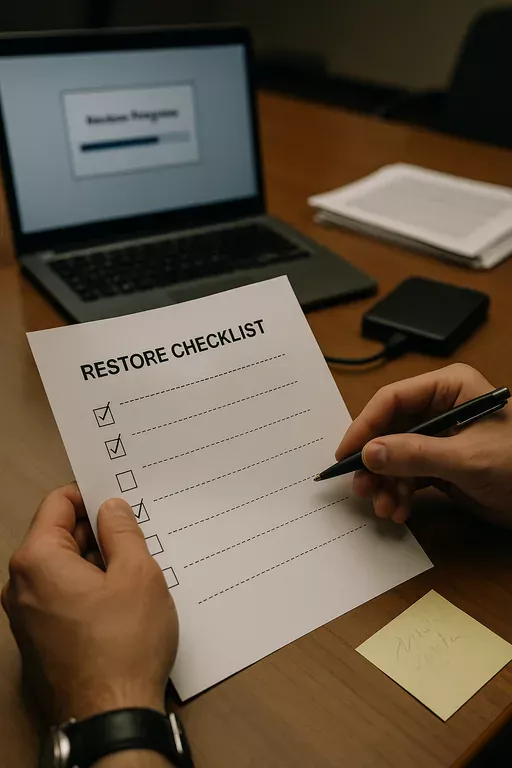
- Backup validation: Test restores on a schedule, confirm retention windows, and separate backup access from standard user credentials.
- Network segmentation: Separate accounting, project documentation, guest access, and infrastructure management traffic to reduce lateral movement during an incident.
Field Evidence: From Surprise IT Spending to Controlled Recovery
We worked through a similar pattern with a regional contractor operating between Reno and Carson City where the office had accumulated aging switches, inconsistent endpoint protection, and no tested recovery sequence for shared project files. Before remediation, a single account compromise would likely have affected accounting, bid documents, and shared folders used by field supervisors. After the firm moved to a documented refresh schedule, tightened access roles, and validated backups, the environment became far more predictable under load and during incident review.
The measurable change was not just technical. Leadership could finally forecast replacement costs instead of absorbing emergency invoices, and the office could support weather delays, vendor coordination, and remote access demands without improvising every quarter. That same discipline is why backup compliance for multi-site business operations matters: it turns recovery from an assumption into a tested process.
- Result: Recovery testing reduced estimated file restoration time from more than 1 business day to under 2 hours, while unsupported infrastructure was cut by 70 percent over the next planning cycle.
Construction IT Risk Control Reference
Scott Morris is an experienced IT and cybersecurity professional with 16 years of hands-on experience in managed technology services. He specializes in Compliance And Risk Management and has spent his career building practical recovery, security, and operational continuity processes for businesses across Reno, Sparks, Carson City, Lake Tahoe, and Northern Nevada and Northern Nevada.


About the Author: Scott Morris
Local Support in Reno, Sparks, Carson City, Lake Tahoe, and Northern Nevada
Construction firms in this region often operate across office locations, supplier networks, and active job sites, so support has to account for both cybersecurity risk and travel reality. From our Reno office, the South Meadows area is typically about 17 minutes away under normal conditions, which matters when an access failure or breach review is affecting billing, payroll, or project coordination.
Plan IT Like a Business System, Not an Emergency Expense
A construction firm does not usually end up with breach exposure because of one bad week. The pattern is more often delayed upgrades, unclear ownership, aging systems, and no financial roadmap tying technology decisions to actual business risk. When that continues long enough, the result is predictable: slower recovery, broader exposure, and higher unplanned cost.
The practical takeaway is straightforward. If payroll, project files, billing, and field coordination depend on your systems, those systems need a documented refresh cycle, tested recovery process, and security controls that are budgeted before failure forces the decision. That is how firms in Northern Nevada reduce breach risk without turning IT into constant disruption.