Reno Law Firm IT
What looks like a one-off issue is often tied to legacy tools. In law firm environments, legacy systems, patchwork fixes, and hard-to-adopt tools can turn into efficiency, visibility, and growth long before anyone notices the warning signs. Closing those gaps early makes disaster recovery planning and recovery far more resilient.
This case study reflects real breakdown patterns documented across 300+ regional IT incidents. Names and identifying details have been modified for confidentiality, while technical and financial data remain accurate to the original events.
Why Legacy Law Firm Systems Become the Innovation Wall
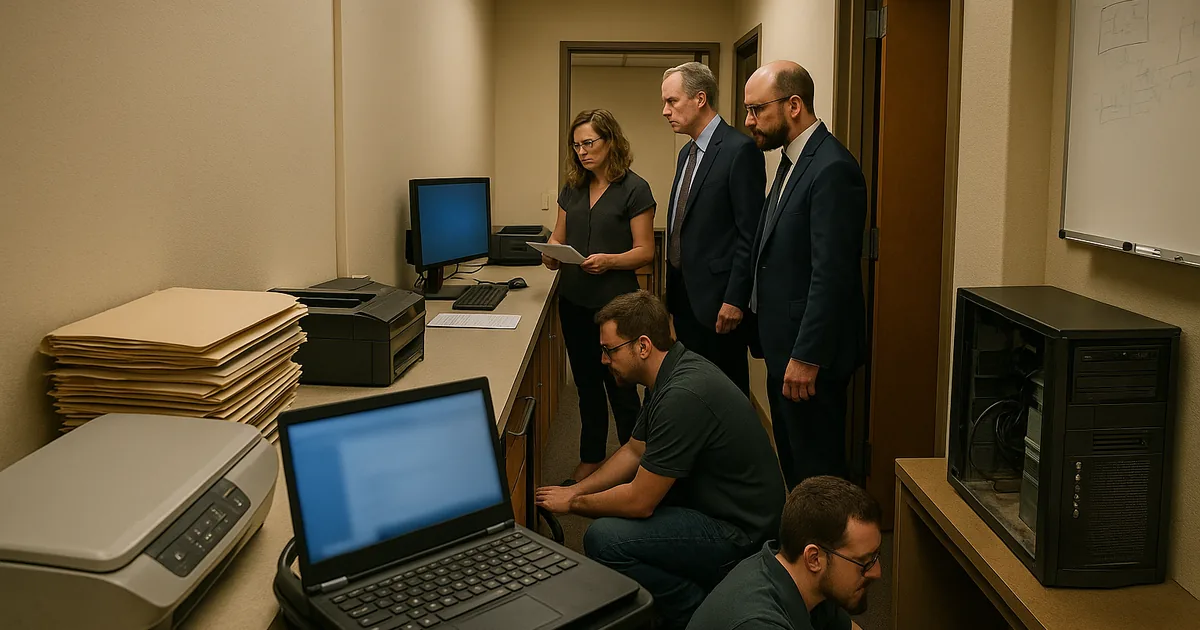
When systems go down in a Washoe County law firm, the immediate assumption is often that internet service failed, a workstation crashed, or a software update went wrong. In practice, we usually find a deeper pattern: old line-of-business servers, unsupported operating systems, and years of patchwork fixes that no longer fit how the firm actually works. That is the innovation wall. The business wants better search, cloud access, AI-assisted document workflows, and faster recovery, but the underlying infrastructure is still built for a 2019 operating model.
For legal offices, that gap creates more than inconvenience. Case files, timekeeping, email, scanning, and trust-account reporting all depend on systems that must stay available and recover cleanly. If a legacy file server cannot support modern backup agents, or if a document platform only runs on outdated hardware, disaster recovery becomes slower and less predictable. Firms trying to strengthen disaster recovery planning and recovery in Washoe County often discover that the recovery problem started years earlier with deferred replacement cycles and tools nobody fully adopted. That is why a single outage can expose weak visibility, inconsistent permissions, and recovery points that do not match the firm’s actual tolerance for downtime.
- Legacy infrastructure: Older servers, unsupported applications, and storage platforms often cannot integrate cleanly with current backup, monitoring, or cloud failover tools.
- Patchwork administration: One-off fixes, local admin exceptions, and undocumented scripts create hidden dependencies that break during updates or recovery events.
- Adoption friction: Hard-to-use tools push staff into side processes such as local saves, emailed attachments, and duplicate records, which increases recovery complexity.
- Operational blind spots: Law firms with small internal teams may not see backup failures, storage saturation, or authentication drift until an outage affects attorneys and support staff at once.
How to Stabilize Recovery Before the Next Outage
The fix is rarely a single replacement. It starts with identifying which systems are truly business-critical, then mapping how those systems depend on aging hardware, legacy applications, and informal workflows. In law firm environments, we typically prioritize document management, line-of-business applications, Microsoft 365 identity, file storage, and backup integrity. From there, the goal is to reduce recovery uncertainty: standardize endpoints, remove unsupported platforms, validate restore paths, and set recovery time objectives that match actual legal operations rather than assumptions.
That work is easier when firms have structured oversight such as IT operations management for multi-system legal environments . It gives leadership a clearer view of alerting, patch status, backup success, storage health, and change control. For practical guidance on resilience planning, the CISA ransomware and recovery guidance is useful because it emphasizes tested backups, identity protection, and recovery procedures rather than theory alone.
- Platform review: Identify unsupported servers, legacy applications, and hardware bottlenecks that prevent clean backup and restore operations.
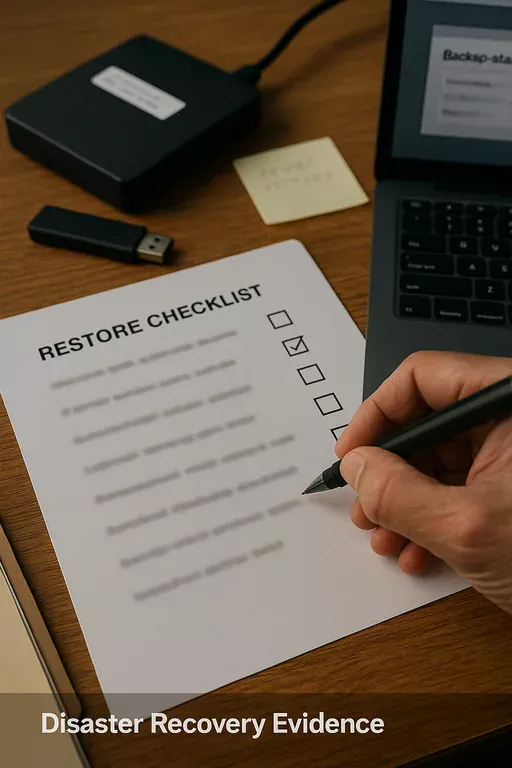
- Backup validation: Test file-level and full-system restores on a schedule so recovery is proven, not assumed.
- MFA and identity hardening: Protect Microsoft 365, remote access, and administrator accounts to reduce the chance that an outage becomes a security event.
- Endpoint and server standardization: Reduce one-off configurations so patching, monitoring, and recovery behave consistently across the firm.
- Change control: Document dependencies and approval paths before upgrades, migrations, or cloud integrations are introduced.
Field Evidence: From Repeated Lockups to Predictable Recovery
We worked with a professional office corridor environment in the Reno-Sparks market where staff had normalized brief application freezes, slow file access, and occasional failed logins. Before remediation, the office was relying on an aging host, inconsistent local storage habits, and backups that completed on paper but had not been fully restore-tested. During busy periods, especially when multiple users were scanning and accessing large files at once, the system would stall and recovery required manual intervention.
After replacing the unsupported host, cleaning up permissions, validating restore points, and adding managed IT support for growing Reno businesses , the office moved from reactive firefighting to a documented recovery process. That included monitored backups, cleaner endpoint standards, and a realistic recovery sequence for core applications. In a follow-up event involving a failed storage component, Mallory’s counterpart at the firm had systems restored in a controlled window instead of losing a full day to uncertainty.
- Result: Recovery confidence improved from untested assumptions to verified restore capability, and unplanned application downtime dropped from recurring multi-hour interruptions to a controlled recovery window under 90 minutes.
Quick Reference: Legacy Risk Points in Law Firm Recovery Planning
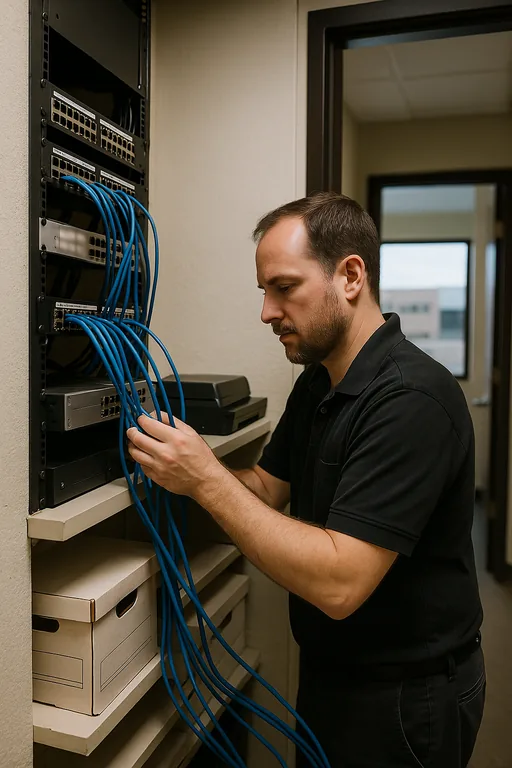
Scott Morris is an experienced IT and cybersecurity professional with 16 years of hands-on experience in managed technology services. He specializes in Disaster Recovery Planning And Recovery and has spent his career building practical recovery, security, and operational continuity processes for businesses across Washoe County and Northern Nevada.

About the Author: Scott Morris
Local Support in Washoe County
For firms in Reno, Sparks, and the surrounding Washoe County legal market, local response still matters. Many outages tied to legacy systems need both remote triage and on-site validation, especially when aging servers, network closets, scanners, or line-of-business workstations are involved. From our Ryland Street office, the Reno-Tahoe International Airport Industrial Area is a short drive, which helps when recovery work needs hands-on coordination with office staff, vendors, or building infrastructure.
Closing the Gap Before Systems Go Down Again
For law firms in Washoe County, systems going down is often the visible symptom of a larger operational gap. Legacy hardware, outdated applications, and years of workaround-driven administration create an environment where recovery is slower, visibility is weaker, and modernization stalls. The longer that gap stays in place, the harder it becomes to support secure cloud adoption, dependable backups, and predictable legal workflows.
The practical takeaway is straightforward: do not treat recurring slowdowns, failed updates, or awkward tool adoption as isolated annoyances. They are often early indicators that the recovery model no longer matches the business. A structured review of dependencies, backup validation, endpoint standards, and legacy replacement priorities can materially reduce downtime and make future recovery events far less disruptive.