Reno/Sparks Law
The outage or lockout is usually the last symptom to appear, not the first. Slow devices, ticket backlogs, and repeated workarounds create weak points that can disrupt identity email and user security and put productivity, response times, and team focus at risk. Reducing that risk starts with stabilizing daily support, reducing repeat issues, and standardizing how IT is handled.
This case study reflects real breakdown patterns documented across 300+ regional IT incidents. Names and identifying details have been modified for confidentiality, while technical and financial data remain accurate to the original events.

Why Small Daily Friction Turns Into Systems Down
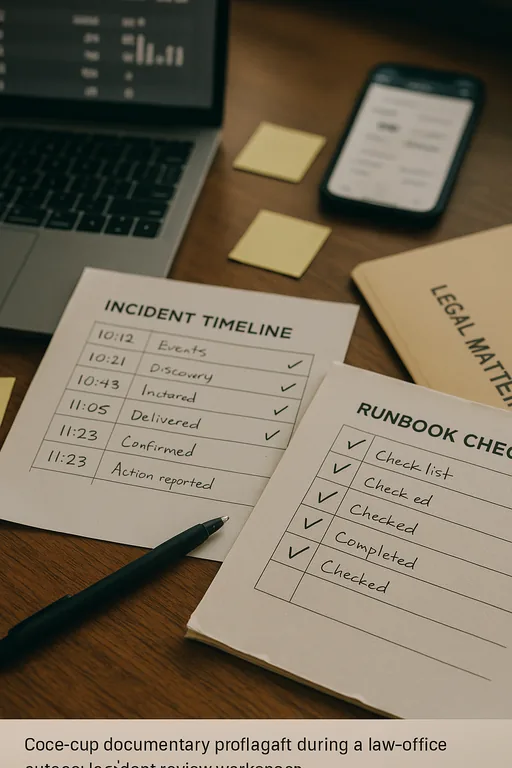
For law firms in Sparks, a systems-down event is often the visible endpoint of a longer operational drain. The pattern usually starts with slow workstations, unresolved printer or profile issues, mailbox sync complaints, and a growing pile of tickets that never fully close the root cause. Staff compensate with workarounds, shared credentials, local file copies, and delayed updates. Over time, those habits weaken identity controls, increase email risk, and make a simple lockout or device failure much harder to contain.
We typically find that the real issue is not one dramatic failure. It is unmanaged accumulation. In a legal environment, that means intake delays, missed follow-up, document version confusion, and attorneys losing billable time while support chases symptoms. Businesses trying to stabilize identity, email, and user access often need structured identity email and user security in Northern Nevada so authentication, endpoint condition, and user permissions are handled consistently instead of reactively. In the case above, Hailey was dealing with the same warning signs many firms ignore until Outlook, line-of-business access, and file availability all start failing at once.
- Identity sprawl: Reused passwords, stale accounts, and inconsistent sign-in policies make lockouts and unauthorized access more likely when staff are already relying on workarounds.
- Endpoint drift: Devices with delayed patches, aging profiles, or unstable sync clients create recurring login and email problems that look random but are usually systemic.
- Ticket backlog pressure: When recurring issues are closed as one-offs, the same failures return and gradually consume billable hours and administrative focus.
- Legal workflow sensitivity: Even short interruptions affect calendaring, document review, e-filing preparation, and client response expectations.
How To Reduce The Operational Drain Before It Becomes Downtime
The practical fix is to treat recurring friction as a control problem, not a help desk nuisance. That starts with standardizing endpoint baselines, tightening identity policies, and reducing the number of exceptions staff rely on to get through the day. For a law firm, we want sign-in reliability, mailbox stability, documented escalation paths, and clear ownership for patching, account lifecycle management, and device health. If those basics are inconsistent, the firm will keep paying for the same outage in smaller pieces until it becomes visible.
Remediation also needs a compliance lens. Legal offices handle sensitive client communications, deadlines, and records that should not depend on ad hoc fixes. A stronger approach includes documented compliance-focused IT management , conditional access, MFA hardening, alerting on unusual sign-in behavior, and regular review of privileged accounts. The CISA guidance on multi-factor authentication is a useful baseline because it addresses one of the most common failure points we see in email and user security incidents.
- MFA hardening: Require modern multi-factor authentication for email, remote access, and administrative actions, while removing legacy authentication where possible.
- Endpoint standardization: Bring laptops and desktops onto a consistent patch, antivirus, and profile-management baseline to reduce recurring instability.
- Account lifecycle control: Review stale users, shared access, and privilege creep so identity problems do not spread across matters and departments.
- Ticket pattern review: Track repeat incidents by device, user, and application to eliminate the root cause instead of repeatedly restoring service.
Field Evidence: Restoring Stability In A Busy Northern Nevada Legal Workflow
We worked through a similar pattern with a small professional office operating between Sparks and Reno where staff had normalized slow logins, mailbox prompts, and intermittent file access. Before remediation, the team was losing time every week to password resets, profile corruption, and repeated reauthentication. The office assumed these were separate annoyances until a heavier caseload exposed how tightly those issues were connected.
After standardizing endpoint health, tightening sign-in controls, and documenting escalation around user access, the office moved from reactive firefighting to predictable daily operations. That included better visibility for recurring issues and stronger regulatory compliance support for sensitive business records so technical cleanup aligned with operational risk. In a corridor where teams often move between Reno, Sparks, and court-related deadlines, that consistency matters more than most firms realize.
- Result: Repeat login and mailbox incidents dropped by more than 60 percent over the next quarter, and average user-impacting ticket resolution time fell from same-day disruption to under 90 minutes for priority issues.
Operational Controls For Identity, Email, And User Security
Scott Morris is an experienced IT and cybersecurity professional with 16 years of hands-on experience in managed technology services. He specializes in Identity Email And User Security and has spent his career building practical recovery, security, and operational continuity processes for businesses across Sparks, Reno, and Northern Nevada and Northern Nevada.


About the Author: Scott Morris
Local Support in Sparks, Reno, and Northern Nevada
Reno Computer Services supports firms across Sparks and the greater Reno area where legal teams often depend on stable email, secure user access, and fast issue resolution to protect billable time. From our Reno office, the Montreux destination in this scenario is about 26 minutes away under normal conditions, which is a practical reminder that remote response, documented escalation, and local onsite availability all matter when a lockout or outage starts affecting daily operations.
Operational Takeaway For Sparks Law Firms
When systems go down in a law office, the visible outage is usually the end of the story, not the beginning. Slow devices, recurring login failures, mailbox instability, and unresolved tickets create an operational drain that steadily erodes billable time and weakens identity and email security. For firms in Sparks, the practical answer is to reduce repeat issues early, standardize support, and treat access reliability as part of risk management rather than a separate IT annoyance.
That approach does more than prevent downtime. It improves response consistency, reduces staff workarounds, and gives leadership a clearer view of where technical friction is affecting client service, deadlines, and internal efficiency. In our experience, firms that address the daily drain before it becomes a visible outage recover faster and operate with far less disruption.