Reno Law Firm Failure
This kind of issue rarely appears all at once. For law firms in Northern Nevada, it usually builds through poor safeguards, inconsistent records handling, and a slow response and then surfaces as systems going down, slower recovery, or higher exposure. A more reliable setup starts with documenting safeguards, tightening response steps, and protecting sensitive data.
This case study reflects real breakdown patterns documented across 300+ regional IT incidents. Names and identifying details have been modified for confidentiality, while technical and financial data remain accurate to the original events.
Why Systems Going Down Becomes a Legal Liability Problem
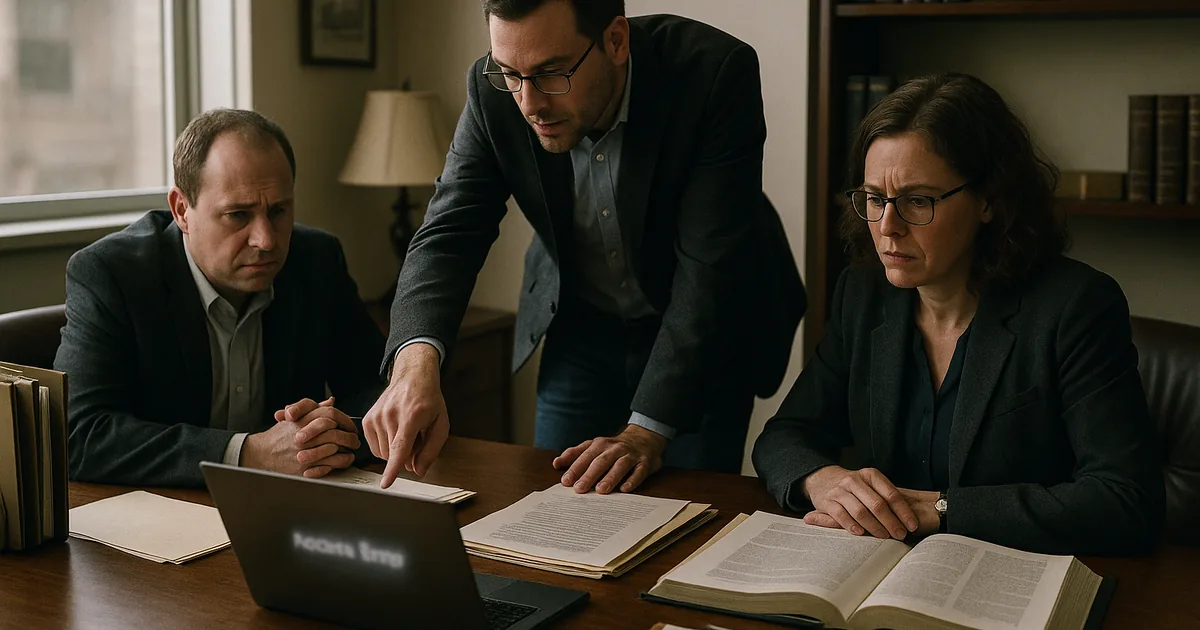
When a Northern Nevada law firm has systems down, the immediate issue is lost access to case files, email, calendars, billing platforms, and document management. The larger issue is legal liability. If client data is mishandled, unavailable, or exposed because safeguards were weak and response steps were unclear, the firm is left explaining why basic controls were not in place. In Reno, Sparks, Carson City, and surrounding offices, that explanation does not improve the operational damage once deadlines are missed or records cannot be produced.
We typically find that this failure builds slowly. Password practices drift, file permissions expand without review, backups are assumed to work but are not tested, and incident response is informal. Then one outage, one lockout, or one storage failure exposes the whole chain. That is why firms dealing with this pattern usually need structured risk assessments and security readiness in Northern Nevada rather than a one-time technical fix. As with Allen’s incident, the visible outage is often only the moment when an older control failure finally becomes impossible to ignore.
- Technical factor: Unreviewed access rights, inconsistent document retention, and untested recovery procedures often combine to create both downtime and evidentiary risk when legal staff need immediate access to client records.
- Operational factor: Firms with multiple attorneys, paralegals, and remote staff can lose billable time quickly when case management, scanning, or secure file access fails during active matters.
- Local business consequence: In Northern Nevada, smaller firms often rely on a mix of cloud tools, local storage, and line-of-business legal software, which increases failure points if the environment has grown without formal oversight.
What Practical Remediation Looks Like for a Law Firm
The fix starts with documenting where sensitive client information lives, who can access it, how it is backed up, and what the firm will do when a system becomes unavailable. That means reviewing identity controls, confirming backup integrity, tightening endpoint protections, and defining who makes operational decisions during an incident. It also means separating urgent recovery from long-term correction so the firm is not improvising under pressure.
From there, we usually align remediation with a budgeting and governance plan so the firm can phase in controls without disrupting active legal work. That is where IT planning and budgeting for Reno firms becomes useful: it turns known weaknesses into scheduled corrective work instead of recurring emergencies. For legal practices handling confidential records, guidance from CISA’s ransomware and resilience resources is also practical because it reinforces backup validation, access control, and incident preparation in plain operational terms.
- Control step: Enforce MFA across email, document systems, and remote access while removing stale accounts and overbroad permissions.
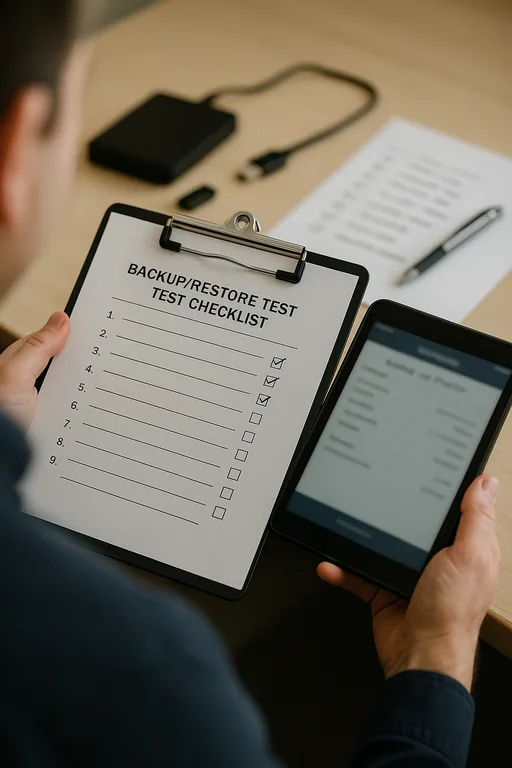
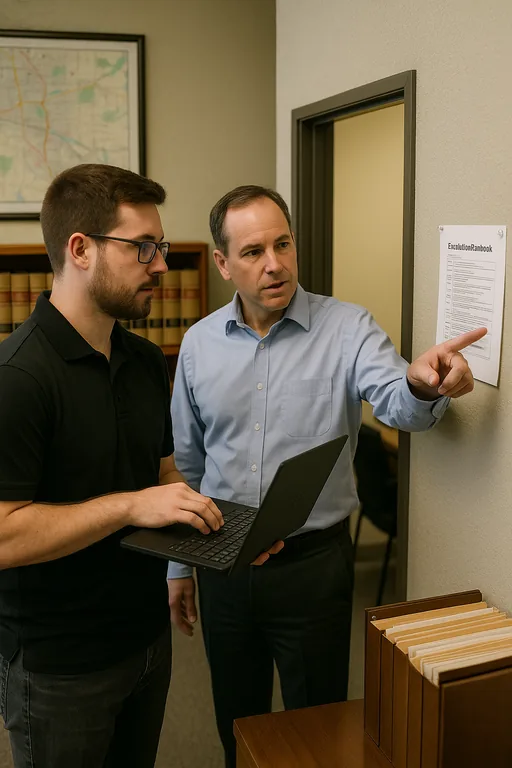
- Practical action: Validate backups with test restores, segment critical systems where appropriate, deploy EDR on endpoints, and maintain a written response checklist for lockouts, file corruption, and suspected data exposure.
- Control step: Standardize records handling and retention workflows so legal staff are not storing client material in unmanaged locations.
Field Evidence: Recovery After Access Control and Backup Gaps
We worked through a similar pattern with a professional office operating between central Reno and South Meadows, where staff had grown dependent on shared folders, email attachments, and inconsistent local saves. Before remediation, a single permissions error and failed restore attempt left the office unable to retrieve current working files for several hours. After access reviews, backup testing, endpoint hardening, and a documented escalation process, the environment became far more predictable during routine support events.
Just as important, leadership gained a clearer decision path. Instead of debating whether a disruption was a server issue, user issue, or vendor issue, they had a documented process and outside technical review through technology advisory and assessment support . That reduced confusion during incidents and improved accountability around legal records handling.
- Result: Recovery testing improved restore confidence, reduced file access disruption from hours to under 30 minutes in follow-up incidents, and gave the office a documented chain of response for sensitive data events.
Law Firm Systems Risk Reference
Scott Morris is an experienced IT and cybersecurity professional with 16 years of hands-on experience in managed technology services. He specializes in Risk Assessments And Security Readiness and has spent his career building practical recovery, security, and operational continuity processes for businesses across Northern Nevada and Northern Nevada.

About the Author: Scott Morris
Local Support in Northern Nevada
Reno Computer Services supports organizations across Reno, Sparks, Carson City, and nearby business corridors where response time, documentation, and operational continuity matter. From our Ryland Street office, the South Reno Professional Circle area is typically about 17 minutes away under normal conditions, which helps when an onsite review is needed after a systems failure, access issue, or records-handling problem.
Operational Takeaway for Northern Nevada Law Firms
When systems go down in a law firm, the real exposure is not limited to downtime. It includes missed deadlines, inaccessible client records, billing delays, and the inability to show that reasonable safeguards were in place before the incident. In Northern Nevada, where many firms operate lean and depend on a mix of cloud and local systems, those weaknesses tend to surface under pressure rather than during routine days.
The practical answer is to tighten records handling, verify recovery capability, and document response steps before the next outage tests the firm. That is how legal liability becomes more manageable: not through assumptions, but through controls that hold up when staff need them most.