Reno/Sparks Hub Audit
Problems like this tend to stay hidden until something important breaks. For logistics hubs in South Meadows, that often means operations stopping, avoidable delays, or a bigger recovery burden than expected. The best response is simplifying the stack and making modernization practical.
This case study reflects real breakdown patterns documented across 300+ regional IT incidents. Names and identifying details have been modified for confidentiality, while technical and financial data remain accurate to the original events.
Why Legacy Infrastructure Creates an Innovation Wall in South Meadows Logistics
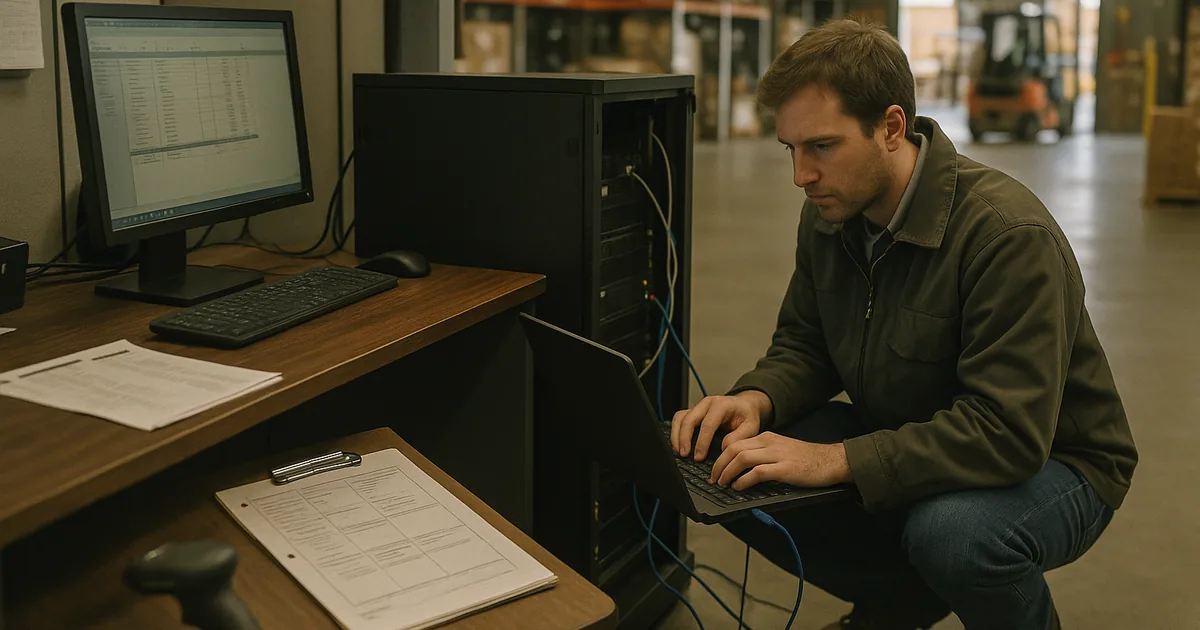
The short answer is that operations stop when old hardware, unsupported software, and workaround-heavy processes are expected to carry modern business demands. In South Meadows logistics environments, that usually shows up when teams try to layer cloud reporting, mobile access, AI-assisted workflows, or audit documentation onto systems that were already near capacity years ago. The result is not just slower performance. It is governance drift, inconsistent records, and a stack that becomes harder to trust every quarter.
We see this most often in facilities that grew fast and added tools one problem at a time. A warehouse management application stays on an older server because a replacement was deferred. Shared folders become the unofficial system of record. Remote access gets added without a full review of permissions. Then a policy review or audit request exposes the gap. For organizations trying to maintain governance policy and audit preparation , the real issue is that the environment no longer supports clean evidence, repeatable controls, or reliable operational reporting. That is the innovation wall: the business wants to modernize, but the underlying stack still behaves like it is 2019.
In a corridor like South Meadows, where logistics teams coordinate vendors, drivers, inventory movement, and billing under tight timing, even a small systems failure can spread quickly. The same pattern that affected Morgan often starts with one weak point, but it expands into scheduling delays, duplicate data entry, and uncertainty about which records are current.
- Legacy compute limits: Older servers and workstations often cannot support current cloud sync, endpoint security, and reporting tools at the same time without creating instability.
- Patchwork integrations: Manual exports, mapped drives, and one-off scripts create hidden dependencies that fail during updates or outages.
- Governance gaps: When systems are inconsistent, policy enforcement, retention controls, and audit evidence become difficult to verify.
- Operational drag: Dispatch, receiving, and finance teams lose time reconciling records instead of moving freight and closing work.
Practical Remediation That Reduces Downtime and Audit Friction
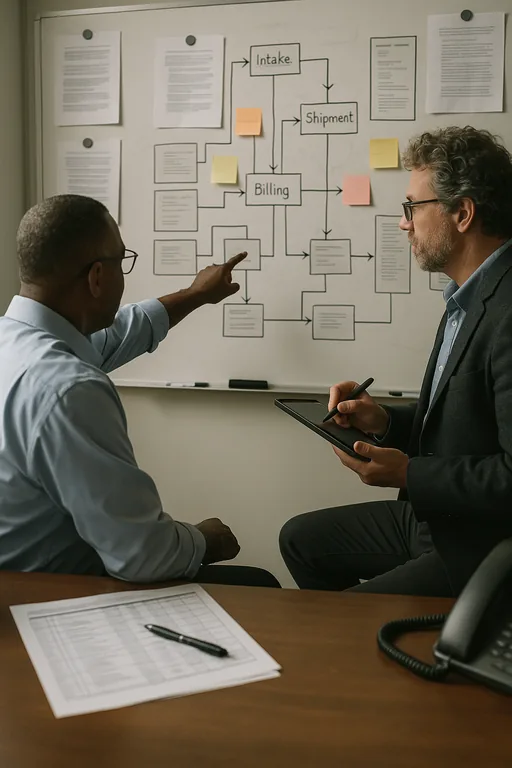
The fix is usually not a full rip-and-replace on day one. A better approach is to simplify the environment in phases, identify which systems are still business-critical, and remove the unsupported pieces that create the most risk first. For logistics hubs, that means documenting the actual workflow from intake to shipment to billing, then aligning infrastructure, permissions, backups, and reporting around that process instead of around old technical exceptions.
We typically start with a governance review, dependency mapping, and a modernization sequence that leadership can actually execute. That often includes server role cleanup, MFA hardening, endpoint standardization, backup validation, and replacing manual file handoffs with controlled cloud or application-based workflows. For organizations that need executive alignment and sequencing, strategic IT leadership in Northern Nevada helps connect policy, operations, and budget decisions so upgrades happen in the right order. A useful external benchmark is CISA guidance on reducing operational risk from legacy systems and unsupported technology at cisa.gov .
- System inventory: Identify unsupported hardware, aging operating systems, and undocumented dependencies before they trigger another outage.
- Access control cleanup: Enforce MFA, review shared accounts, and align permissions to actual job roles.
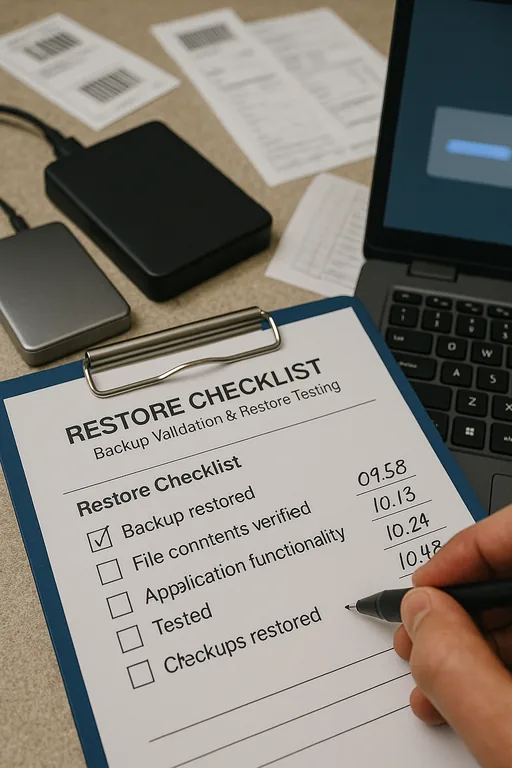
- Backup validation: Test restores for file shares, line-of-business applications, and configuration data instead of assuming backups are usable.
- Workflow consolidation: Replace spreadsheet-based handoffs and local storage with controlled platforms that support retention and audit review.
- Phased modernization: Move the highest-risk systems first so operations improve without forcing unnecessary disruption.
Field Evidence: From Workarounds to Stable Operations in a South Reno Distribution Corridor
In one South Reno logistics environment near the Double R and South Meadows area, the initial condition was familiar: an older on-premise application server, inconsistent patching, and multiple departments relying on shared folders as a fallback process. During peak activity, staff had recurring lockups, delayed print jobs for shipping documents, and no confidence that reports matched what was happening on the floor. Winter weather and carrier timing only made the margin for error smaller.
After consolidating file access, validating backups, standardizing endpoints, and sequencing replacement of the most fragile systems first, the operation moved from reactive troubleshooting to predictable support. Leadership also gained a clearer roadmap for IT planning and budgeting for multi-site operations , which made future upgrades easier to justify and schedule.
- Result: Unplanned workflow interruptions dropped substantially, reporting became more consistent, and document retrieval for internal review went from hours of manual checking to a controlled process completed the same day.
Reference Points for Logistics Hub Modernization and Audit Readiness
Scott Morris is an experienced IT and cybersecurity professional with 16 years of hands-on experience in managed technology services. He specializes in Governance Policy And Audit Preparation and has spent his career building practical recovery, security, and operational continuity processes for businesses across Reno, Sparks, Carson City, Lake Tahoe, and Northern Nevada and Northern Nevada.

About the Author: Scott Morris
Local Support in Reno and South Meadows
Reno Computer Services supports organizations throughout Reno, including South Meadows logistics and operations sites that need practical governance review, modernization planning, and recovery support. From our Ryland Street office, the route to the Double R Boulevard area is typically about 18 minutes, which makes it realistic to support both strategic planning and on-site coordination when a business-critical system starts affecting dispatch, inventory, or billing.
Modernization Works Best When It Removes Friction First
When a logistics hub hits the innovation wall, the real problem is usually not one broken device. It is a stack of aging systems, temporary fixes, and unclear ownership that can no longer support current operational demands or clean audit preparation. In South Meadows, where timing, coordination, and documentation all matter, that kind of technical debt shows up quickly in delayed shipments, reporting confusion, and higher recovery effort.
The practical path forward is to simplify, standardize, and sequence improvements around the business workflow. That gives leadership a clearer view of risk, reduces avoidable downtime, and makes governance policy easier to maintain without overcomplicating daily operations.