
Reno/Sparks IT Risk
What looks like a one-off issue is often tied to legacy tools. In financial office environments, legacy systems, patchwork fixes, and hard-to-adopt tools can turn into efficiency, visibility, and growth long before anyone notices the warning signs. Closing those gaps early makes regulatory compliance support far more resilient.
This case study reflects real breakdown patterns documented across 300+ regional IT incidents. Names and identifying details have been modified for confidentiality, while technical and financial data remain accurate to the original events.
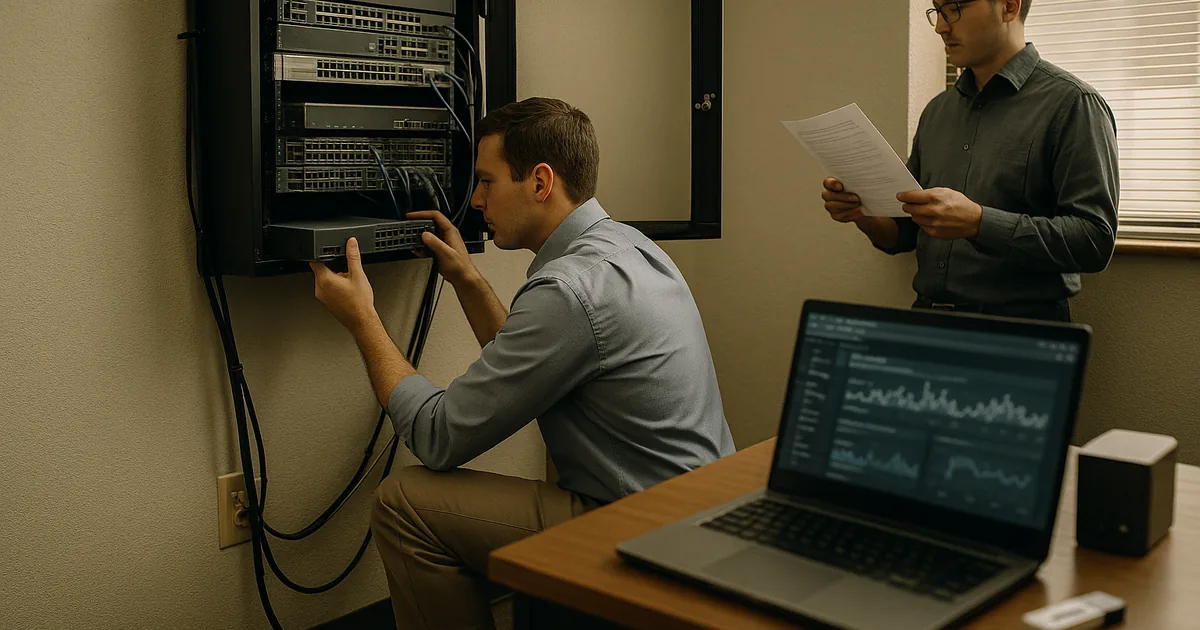
Why Legacy Infrastructure Triggers Network Failure in Financial Offices
A network crash in a Washoe County financial office is rarely caused by one bad device alone. More often, we find an innovation wall: old switches, outdated line-of-business software, unsupported Windows builds, and years of small workarounds layered together until the environment cannot reliably support modern cloud applications, encrypted traffic inspection, or AI-assisted workflows. The result is not just slowness. It is loss of visibility, unstable authentication, failed sync jobs, and compliance processes that become harder to verify.
That is why regulatory risk and network stability are closely tied. Financial offices depend on consistent access to document systems, email, audit trails, and secure file movement. When those systems sit on aging infrastructure, every patch, vendor update, or bandwidth spike becomes a stress test. In environments that need regulatory compliance support in Washoe County , we typically see the same pattern: legacy hardware masks root-cause issues until a normal business day turns into an outage. In cases like Regina’s, the visible failure is the crash, but the real problem started years earlier when the environment stopped evolving with the business.
- Technical factor: Legacy network hardware and unsupported operating systems often cannot handle current security controls, cloud traffic patterns, or modern application demands, leading to packet loss, authentication failures, and unstable access to compliance-critical systems.
- Operational factor: Patchwork fixes create undocumented dependencies, so a routine update or bandwidth surge can interrupt billing, reporting, and client service with little warning.
- Business factor: Financial offices in Reno, Sparks, and broader Washoe County often outgrow their original infrastructure long before leadership sees the effect on resilience, audit readiness, or staff efficiency.
Practical Remediation That Reduces Downtime and Compliance Exposure
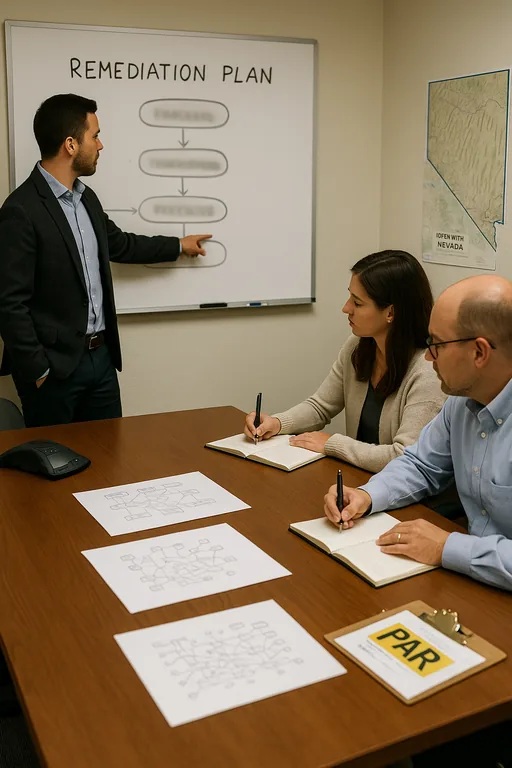
The fix is not to replace everything at once. The right approach is to identify choke points, remove unsupported systems from critical workflows, and rebuild the environment in a controlled sequence. We usually start with network discovery, firmware and lifecycle review, log analysis, and dependency mapping across file access, identity, internet circuits, and compliance-related applications. From there, the office can move toward segmented traffic, supported hardware, tested backups, and cleaner administrative control.
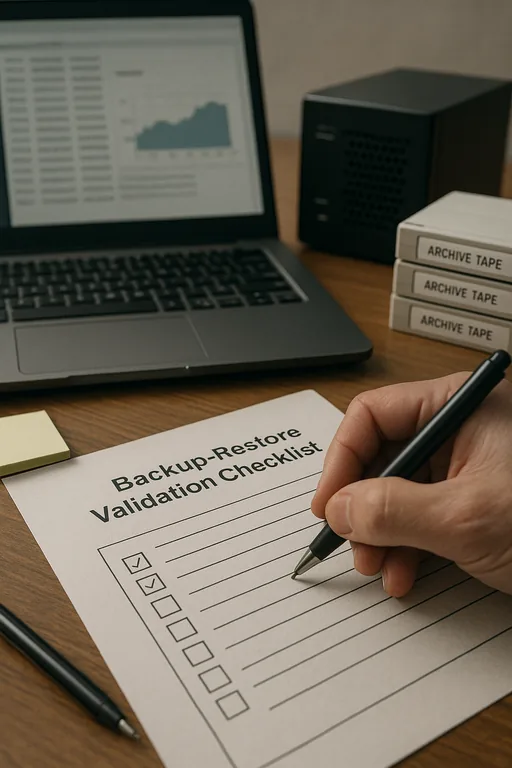
For firms dealing with recurring instability, structured infrastructure management for multi-system financial operations helps prevent the same outage from returning under a different label. Controls should also align with practical guidance from CISA , especially around backup validation, privileged access, and recovery planning. In regulated environments, resilience is not just about uptime. It is about proving that systems are recoverable, access is controlled, and records remain available when needed.
- Control step: Replace unsupported edge and core devices first, then validate VLAN segmentation, MFA enforcement, backup restore testing, and alerting so failures are isolated before they interrupt office-wide operations.
- Control step: Standardize patching and remove one-off fixes that bypass documentation, especially around file shares, remote access, and compliance reporting tools.
- Control step: Review ISP handoff, firewall throughput, and cloud application usage to ensure the network can support current encrypted traffic and future platform adoption.
Field Evidence: Stabilizing a Washoe County Financial Workflow
We worked through a similar pattern in a Northern Nevada office corridor where an older switching stack and a heavily customized file access process were causing repeated lockups during peak document activity. Before remediation, staff saw intermittent disconnects, delayed uploads, and inconsistent access to archived records whenever month-end reporting overlapped with normal client work. The office had enough bandwidth on paper, but the internal path between users, storage, and security controls was the real constraint.
After replacing end-of-life network gear, cleaning up permissions, validating backup jobs, and documenting dependencies, the office moved from reactive troubleshooting to predictable operations. That kind of planning is often supported by IT consulting in Northern Nevada when leadership needs a roadmap instead of another temporary fix. In one case, a snow-season staffing shift made remote access more important than usual, and the improved design held up without the recurring disconnects that had been affecting reporting and client response times.
- Result: Unplanned network interruptions dropped from multiple incidents per month to zero during the following quarter, and month-end processing time improved by roughly 28 percent.
Legacy Risk Review for Financial Office Networks
Scott Morris is an experienced IT and cybersecurity professional with 16 years of hands-on experience in managed technology services. He specializes in Regulatory Compliance Support and has spent his career building practical recovery, security, and operational continuity processes for businesses across Washoe County and Northern Nevada.

About the Author: Scott Morris
Local Support in Washoe County
Reno Computer Services supports businesses across Reno, Sparks, and surrounding Washoe County with practical response planning, infrastructure review, and on-site troubleshooting when remote fixes are not enough. For offices operating between Reno and Sparks, travel time matters during an outage, especially when a failed switch, firewall, or server issue needs hands-on work to restore access and verify recovery.
Closing the Innovation Wall Before It Becomes an Outage
When a financial office in Washoe County hits a network crash, the visible problem is usually only the final symptom. The deeper issue is often an environment that has been held together by aging hardware, partial upgrades, and tools that no longer match the way the business operates. That gap affects uptime, staff efficiency, reporting reliability, and compliance readiness long before leadership sees a major incident.
The practical takeaway is straightforward: review legacy infrastructure before it fails under normal business load. A measured upgrade path, documented dependencies, tested recovery, and better operational oversight will do more for resilience than another temporary workaround. For regulated offices, that is how you reduce downtime without disrupting the business in the process.