
Reno Dental Cyber Threat
What looks like a one-off issue is often tied to hidden threats. In dental office environments, stolen credentials, MFA gaps, and weak monitoring can turn into ransomware, fraud, and data loss long before anyone notices the warning signs. Closing those gaps early makes endpoint and threat protection far more resilient.
This case study reflects real breakdown patterns documented across 300+ regional IT incidents. Names and identifying details have been modified for confidentiality, while technical and financial data remain accurate to the original events.
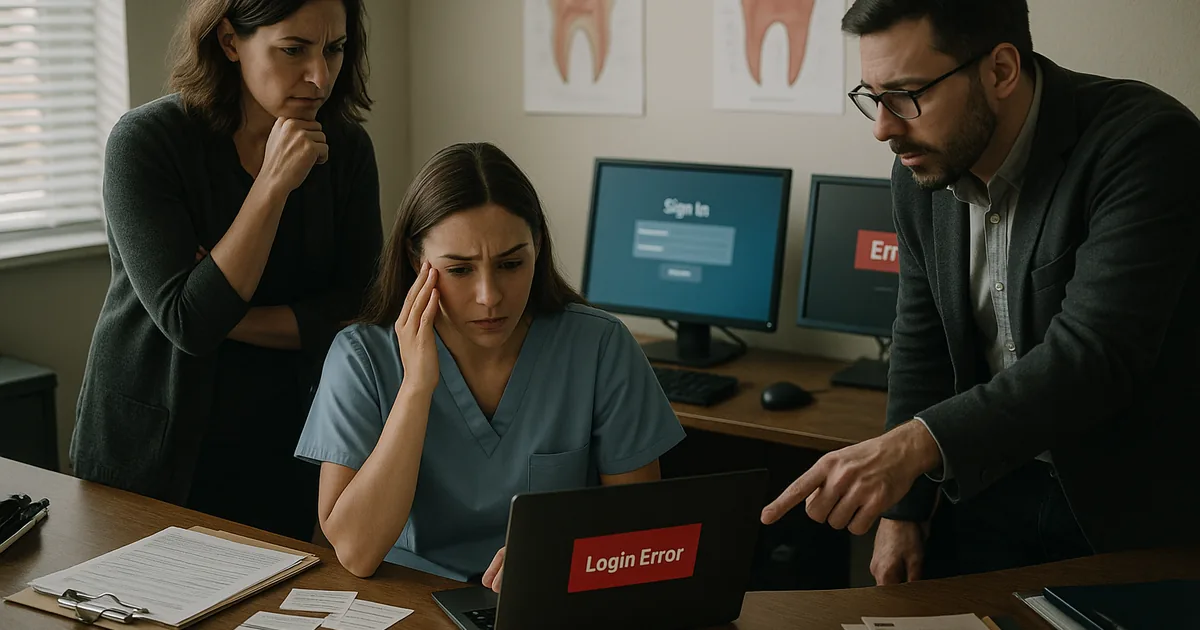
Why Login Failures in Dental Offices Often Point to a Hidden Threat
When a dental office in Washoe County sees repeated login failures, the right assumption is not simply that a user forgot a password. In many cases, the real issue is credential misuse, token theft, weak multifactor enrollment, or unmanaged devices attempting to authenticate with cached access. Modern attackers do not need to break through a perimeter device if they can log in with a valid account. That is why incidents like this are closely tied to endpoint and threat protection in Northern Nevada rather than just help desk password resets.
We typically find that the visible symptom is small while the underlying exposure is much larger. A front-desk workstation may show account lockouts, but the root cause can involve a compromised Microsoft 365 account, a reused password from another breach, or a device that is no longer reporting security telemetry. In a dental environment, that creates immediate operational risk because scheduling, imaging access, insurance verification, and patient intake all depend on identity systems working cleanly and consistently. In Lindsay’s case, the login issue was only the first sign that monitoring had blind spots across user accounts and endpoints.
- Stolen credentials: Password reuse and phishing can give an attacker valid access without triggering the kind of alert a firewall would normally catch.
- MFA gaps: Partial multifactor deployment, weak push approval habits, or legacy protocols can leave critical accounts exposed even when MFA appears to be enabled.
- Limited endpoint visibility: If workstations, laptops, or remote devices are not reporting properly, suspicious sign-in behavior can go unnoticed until staff are locked out.
- Dental workflow dependency: Practice management, digital imaging, claims processing, and patient communication all slow down quickly when identity controls fail.
How We Contain the Incident and Close the Identity Gaps
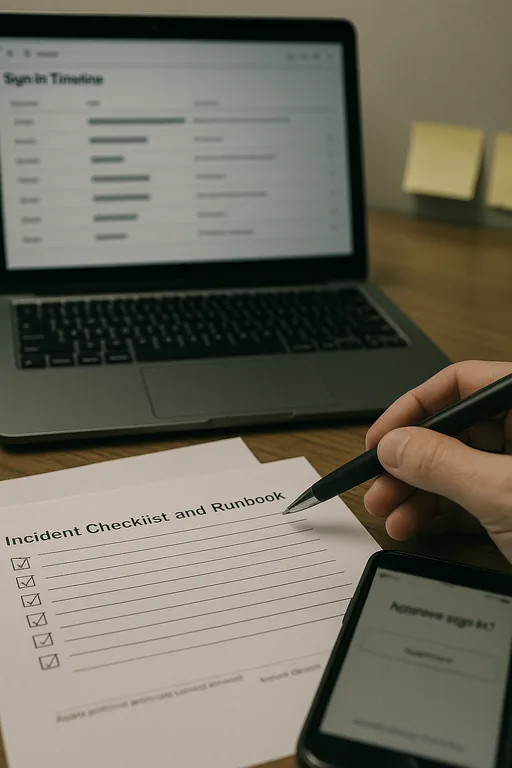
The first step is to treat the login failure as a security event until proven otherwise. That means reviewing sign-in logs, disabling risky sessions, forcing password resets where appropriate, validating MFA enrollment, and checking whether any endpoint shows signs of malware, token theft, or unauthorized remote access. We also verify whether the affected account touched email rules, file shares, or cloud applications, because those are common follow-on actions after credential compromise.
For dental offices, remediation also has to line up with privacy and documentation requirements. That is where compliance-focused IT management matters. Security controls need to support HIPAA-oriented record handling, auditability, and incident response discipline, not just restore access. Guidance from CISA remains practical here: strong passwords, phishing resistance, and properly enforced MFA are still core controls because most identity incidents start with preventable weaknesses.
- Identity review: Audit sign-in history, impossible travel events, failed login patterns, and conditional access exceptions.
- MFA hardening: Remove weak methods, require stronger prompts, and block legacy authentication where business systems allow it.
- Endpoint validation: Confirm EDR is active, isolate suspicious devices, and verify patch status on front-desk and clinical workstations.
- Alerting improvements: Configure notifications for lockout spikes, unusual geolocation access, privilege changes, and mailbox rule creation.
- Recovery discipline: Test account restoration, verify backup access paths, and document the event for internal review and regulatory follow-up if needed.
Field Evidence: Hidden Credential Abuse Behind a Front-Desk Lockout
We worked through a similar pattern for a healthcare-related office operating between Reno and Sparks where staff initially reported only intermittent login failures and slow access to cloud applications. The visible problem looked minor, but review of authentication logs showed repeated attempts against a small group of user accounts from unfamiliar locations, combined with one endpoint that had stopped reporting normal security status. Before remediation, the office was resetting passwords repeatedly and still seeing disruptions during peak morning intake.
After isolating the affected device, enforcing stronger MFA, cleaning up stale sessions, and tightening monitoring, the office returned to normal scheduling and billing flow with far fewer identity alerts. As part of the follow-up, leadership used security readiness reviews for multi-location operations to identify where account controls, endpoint coverage, and response procedures needed to be standardized across the practice.
- Result: Login-related disruptions dropped from repeated weekly incidents to zero confirmed recurrences over the next 90 days, while suspicious sign-in events were detected and contained earlier.
Reference Points for Dental Login and Identity Incidents
Scott Morris is an experienced IT and cybersecurity professional with 16 years of hands-on experience in managed technology services. He specializes in Endpoint And Threat Protection and has spent his career building practical recovery, security, and operational continuity processes for businesses across Washoe County and Northern Nevada.

About the Author: Scott Morris
Local Support in Washoe County
From our Reno office, we regularly support dental and healthcare-related organizations across Washoe County, including practices serving Golden Valley, Sparks, and surrounding areas. That local proximity matters when a login incident affects patient flow, front-desk operations, or billing. Fast response is useful, but the larger value comes from understanding how identity issues, endpoint visibility, and compliance obligations intersect in real office environments.
Operational Takeaway for Dental Practices
A login incident in a dental office is often an identity and endpoint problem before it becomes a full outage. If the only response is unlocking the account or resetting the password, the office may restore access temporarily while leaving the actual exposure in place. That is how hidden threats stay active long enough to affect scheduling, claims, patient communications, and protected data.
The practical response is to investigate the sign-in event, validate endpoint health, harden MFA, and close monitoring gaps across users and devices. For Washoe County dental practices, that approach reduces repeat disruptions and gives leadership a clearer view of whether the issue was isolated or part of a larger compromise path.