
Reno/Sparks Lockout Risks
The outage or lockout is usually the last symptom to appear, not the first. Phishing clicks, password reuse, and weak account hygiene create weak points that can disrupt business IT operations management and put account security, access stability, and business continuity at risk. Reducing that risk starts with tightening identity controls and building safer day-to-day habits.
This case study reflects real breakdown patterns documented across 300+ regional IT incidents. Names and identifying details have been modified for confidentiality, while technical and financial data remain accurate to the original events.
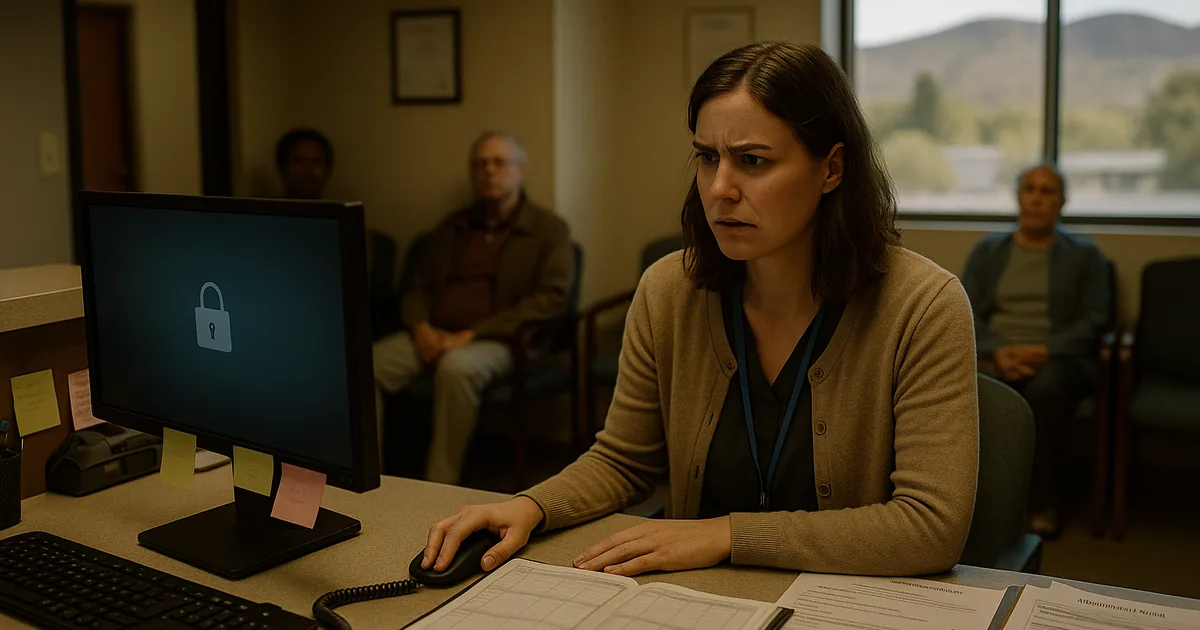
Why Human Error Still Causes the Lockout
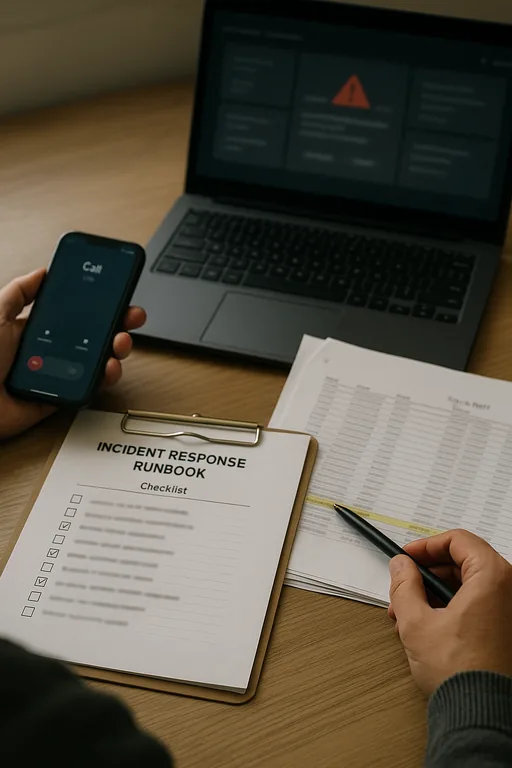
The main issue is not usually a dramatic system failure. In most medical offices, the lockout happens after a chain of smaller identity problems: a reused password, a fake reset prompt, an employee approving a sign-in they did not initiate, or a shared account that makes accountability unclear. That is the human element risk. By the time access fails, the original weakness has often been sitting in the environment for weeks or months.
In Sparks and across the Reno area, we see this most often in practices that rely on cloud email, browser-saved passwords, and fast-moving front-desk workflows. Staff are trying to keep patients moving, answer phones, and process referrals, so a convincing phishing email can get through when attention is split. That is why structured business IT operations management in Northern Nevada matters. It connects identity controls, monitoring, user training, and account review into one operating process instead of treating each issue as a separate ticket. When Coral’s team lost access, the real problem was not only the bad click. It was the lack of layered controls that should have limited the blast radius.
- Technical factor: Weak account hygiene allows phishing-based credential theft, MFA fatigue approvals, and password reuse to turn one user mistake into a broader access disruption.
- Operational factor: Medical front desks, billers, and providers depend on stable logins for scheduling, chart access, secure messaging, and claims processing, so even a short lockout can affect multiple workflows at once.
- Local factor: Multi-site coordination between Sparks, South Reno, and Carson-area staff can make account recovery slower when permissions, devices, and line-of-business systems are spread across locations.
How to Reduce Lockout Risk Before It Becomes Downtime
The fix is not just telling employees to be more careful. Practices need enforceable identity controls. That starts with phishing-resistant MFA where possible, conditional access policies, password manager adoption, removal of shared credentials, and alerting for impossible travel, repeated failed sign-ins, and suspicious inbox rule changes. For medical offices, we also recommend separating administrative access from daily user accounts and reviewing sign-in logs as part of routine operations, not only after an incident.
Remediation also has to account for compliance and recovery. A medical practice should document who can reset accounts, how emergency access is granted, how audit logs are preserved, and how patient-facing operations continue during an outage. That is where compliance-focused IT management becomes practical rather than theoretical. Guidance from CISA is useful here because it reinforces the basics that still prevent a large share of account compromise events.
- Identity hardening: Enforce MFA, block legacy authentication, require unique passwords, and disable dormant accounts quickly.
- Email protection: Add phishing filtering, external sender tagging, and user reporting tools so suspicious messages are escalated early.
- Access governance: Limit admin rights, separate privileged accounts, and review permissions after staffing changes.
- Recovery readiness: Validate account recovery steps and pair them with backup and disaster recovery planning so a lockout does not become a longer business interruption.
Field Evidence: Front-Desk Access Restored Without a Full-Day Shutdown
We worked through a similar pattern for a healthcare office corridor serving patients between Sparks and South Reno. Before controls were tightened, the office had repeated password reset confusion, inconsistent MFA enrollment, and no clear escalation path when email access failed. A single phishing event disrupted intake, delayed insurance verification, and forced staff onto paper notes for part of the morning.
After standardizing MFA enrollment, removing shared mailboxes from direct sign-in use, tightening conditional access, and documenting emergency account recovery, the office moved from reactive lockout handling to controlled response. The practical difference was that suspicious sign-ins were blocked earlier, staff knew how to report them, and front-desk operations no longer stalled while waiting for ad hoc fixes.
- Result: Account recovery time dropped from most of a business morning to under 35 minutes, and same-day scheduling disruption was reduced to a limited, documented incident instead of a cascading outage.
Identity Risk Controls for Medical Practices
Scott Morris is an experienced IT and cybersecurity professional with 16 years of hands-on experience in managed technology services. He specializes in Business It Operations Management and has spent his career building practical recovery, security, and operational continuity processes for businesses across Reno, Sparks, Carson City, Lake Tahoe, and Northern Nevada and Northern Nevada.

About the Author: Scott Morris
Local Support in Reno, Sparks, Carson City, Lake Tahoe, and Northern Nevada
Medical offices in Sparks and South Reno often need support that understands both the technical issue and the local operating reality. From our Reno office, the Damonte Ranch area is typically about 16 minutes away under normal conditions, which helps when an access issue needs hands-on coordination. For practices balancing patient intake, billing, and compliance obligations, local response matters most when it is paired with disciplined remote triage and clear recovery procedures.
The Real Fix Is Better Identity Discipline
When a medical practice gets locked out, the visible outage is usually the end of the story, not the beginning. The root cause is often ordinary behavior that went unmanaged for too long: weak passwords, rushed approvals, poor account separation, and no tested recovery path. In healthcare environments, those gaps affect scheduling, billing, patient communication, and compliance all at once.
The practical takeaway is straightforward. Reduce the number of ways users can make a costly mistake, monitor identity events early, and make sure recovery steps are documented before the next incident. That approach keeps a phishing email or fake reset prompt from turning into a business interruption.