Reno Encryption
Problems like this tend to stay hidden until something important breaks. For manufacturing plants in South Meadows, that often means encrypted files, avoidable delays, or a bigger recovery burden than expected. The best response is reviewing controls, access, and recovery steps before they are tested under pressure.
This case study reflects real breakdown patterns documented across 300+ regional IT incidents. Names and identifying details have been modified for confidentiality, while technical and financial data remain accurate to the original events.
How the Compliance Gap Turns Into Encrypted Files

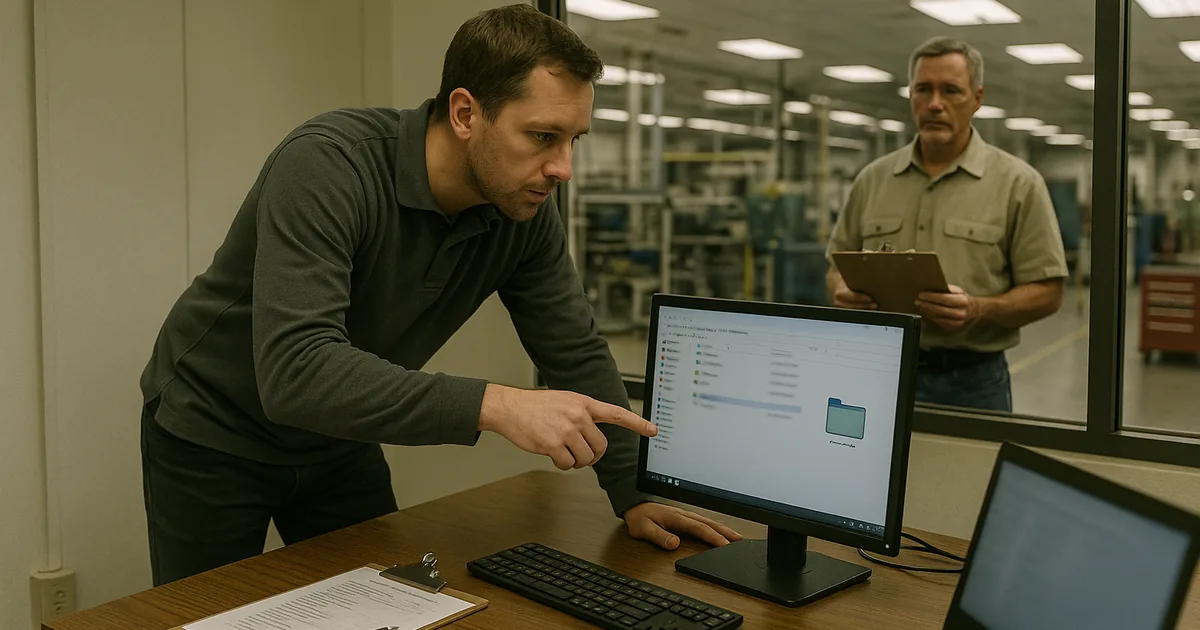
When a manufacturing plant asks why files were encrypted, the answer is usually not just malware. The larger issue is control drift. Regulations such as CMMC, HIPAA, and related customer security requirements change faster than many internal teams can document, test, and enforce. In South Meadows, where plants often rely on a mix of production systems, office workstations, vendor remote access, and legacy file shares, that gap creates room for attackers and operational mistakes.
We typically find that the compliance problem starts well before the incident. Access rights remain broader than necessary, shared credentials stay active too long, backup scope is assumed rather than verified, and policy documents no longer match the actual environment. That is why compliance and risk management for South Meadows operations is not just a paperwork exercise. It is part of preventing encrypted file events from spreading into scheduling, shipping, quality records, and customer reporting. In cases like Alexia’s, the encryption event is simply the first visible sign that governance and technical controls have drifted apart.
- Access control drift: Users, vendors, or former roles retain permissions to shared folders and systems longer than operationally necessary.
- Documentation lag: Internal policies may reference controls that are no longer configured, monitored, or consistently enforced.
- Backup assumptions: Plants often have backups in place, but not all file shares, local engineering data, or line-of-business systems are included in tested recovery plans.
- Mixed environments: Manufacturing offices in Reno and South Meadows commonly run a blend of modern cloud tools and older on-premise systems, which increases blind spots.
Practical Remediation for Manufacturing Compliance and Recovery
The fix is not a single tool. It is a sequence of operational controls that reduce exposure and improve recovery. First, isolate the affected accounts and endpoints, confirm the scope of encryption, and validate whether backups are both intact and recent. Then review where compliance obligations actually apply: customer data, production records, HR files, quality documentation, and any regulated information that may sit on shared storage. From there, the environment needs tighter role-based access, stronger authentication, and documented recovery priorities.
For plants dealing with changing requirements and audit pressure, structured regulatory compliance support in Northern Nevada helps align written policy with real system settings. We also recommend using guidance from CISA’s ransomware guidance to formalize response, backup validation, and privilege management. The goal is straightforward: reduce the chance of reinfection, shorten recovery time, and make sure compliance evidence exists before the next audit or customer review.
- Privilege reduction: Remove unnecessary shared-drive permissions, disable stale accounts, and separate vendor access from internal user access.
- MFA hardening: Enforce multifactor authentication for remote access, admin accounts, email, and cloud file platforms.
- Backup validation: Test restore points for file shares, ERP data, and critical documentation instead of assuming backup jobs equal recoverability.
- Endpoint controls: Deploy EDR with alerting tuned for encryption behavior, suspicious PowerShell use, and lateral movement.
- Segmentation: Separate office systems, production support devices, and sensitive file repositories to limit spread.
Field Evidence: Recovery Improves When Controls Match the Real Environment
In one Northern Nevada manufacturing corridor engagement, the initial state was familiar: broad file-share access, inconsistent MFA coverage, and compliance documents that had not kept up with actual user workflows. The business had backups, but no one had recently tested whether engineering files and production support records could be restored in the order operations needed them. After a review, the company narrowed permissions, documented system ownership, validated restore procedures, and used risk assessments and security readiness planning to identify where policy and infrastructure no longer matched.
The after state was materially different. When a later account compromise triggered suspicious file activity, the event was contained to a smaller segment, recovery decisions were faster, and plant leadership had clear evidence for internal reporting. That matters in Reno-area operations where weather, vendor travel, and multi-site coordination can already slow response if the environment is not organized in advance.
- Result: Restorable data coverage increased from partial file-share recovery to tested recovery for critical records, and the business reduced estimated interruption time from more than a full day to under three hours for priority systems.
Compliance and Encryption Risk Reference Points
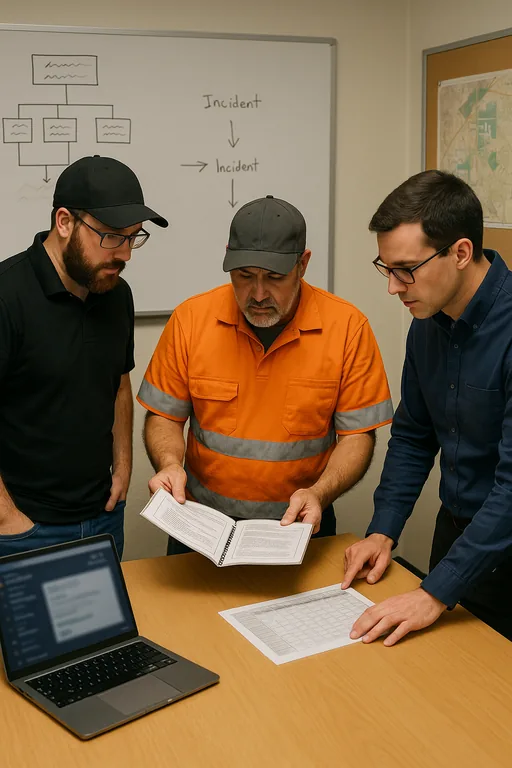
Scott Morris is an experienced IT and cybersecurity professional with 16 years of hands-on experience in managed technology services. He specializes in Compliance And Risk Management and has spent his career building practical recovery, security, and operational continuity processes for businesses across South Meadows, Reno, Sparks, Carson City, and Northern Nevada and Northern Nevada.

About the Author: Scott Morris
Local Support in South Meadows, Reno
Manufacturing plants in South Meadows often need support that can move quickly from downtown Reno to Double R and nearby industrial corridors without losing time to handoffs. From our Reno office, the route to the Double R Tech Ridge area is typically about 17 minutes under normal conditions, which matters when encrypted files affect production records, scheduling, or compliance documentation.
What South Meadows Manufacturers Should Take Away
Encrypted files in a manufacturing environment are often the result of a broader compliance gap, not just a single bad click or isolated malware event. When access policies, documentation, backup testing, and system ownership fall out of sync, the business becomes harder to protect and slower to recover.
For South Meadows plants, the practical response is to align compliance requirements with actual operations: who has access, what data matters most, how recovery is tested, and where evidence is maintained. That approach reduces downtime, improves audit readiness, and keeps a file encryption incident from turning into a larger production and reporting problem.